Fuse panel vs circuit breaker panel
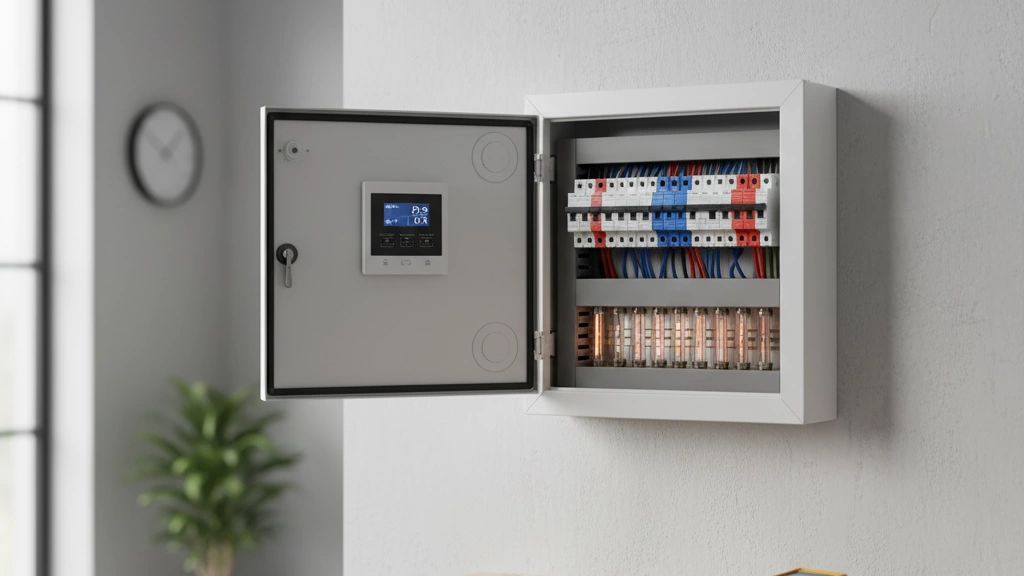
When you hear “electrical box fuses” or “home fuse panel,” we’re talking about the older style of protection compared to today’s breaker panels. Both do the same job: they protect your wiring from overheating and starting a fire. They just do it in different ways.
Fuse panel (fuse box)
- Uses fuses that melt and open the circuit when too much current flows
- Once a fuse blows, you replace it
- Common in homes built before roughly the 1960s–1970s
Circuit breaker panel
- Uses switch-style breakers that trip off during a fault
- You usually just reset the breaker
- Standard in modern homes and new construction
If your house still has a fuse panel vs breaker panel, it doesn’t automatically mean it’s unsafe—but it does mean you need to understand its limits and treat it with respect.
What is an electrical fuse box?
An electrical fuse box (or home fuse panel) is the metal box where power from the utility enters your home and gets split into individual circuits, each protected by a fuse.
Most old house fuse boxes include:
- A main fuse block (often with 60A–100A cartridge fuses) that can shut off most or all power
- Rows of plug fuses (15A, 20A, 30A) that protect lighting and outlet circuits
- Old-style Edison base fuses that screw in like light bulbs, or newer rejection-base designs
Think of the fuse panel as the “control center” of your old wiring. Every light, outlet, and appliance is routed through that box somewhere.
Key differences: fuse panels vs breaker panels
Here’s the simple breakdown of fuse panel vs breaker panel differences that matter to you:
How they trip:
- Fuses: One-time use; a metal element melts when overloaded
- Breakers: Reusable; a switch mechanism trips and can be reset
Protection features:
Fuses:
- Can be very fast and accurate at stopping overcurrent
- No built-in GFCI or AFCI protection (you’d add those with outlets or special breakers elsewhere)
Breakers:
- Can include AFCI, GFCI, and combo protection in one device
- Easier to add new safety features and new circuits
Ease of use:
Fuses:
- You must match the correct amp rating and type
- Wrong fuse size or type can create a serious fire hazard
Breakers:
- Easier to understand: on / off / tripped
- No need to keep spare parts in a drawer
Modern expectations:
- Inspectors, insurers, and buyers are more comfortable with a breaker panel
- Fuse panels are seen as older technology and often a sign more upgrades are needed
Pros and cons of electrical box fuses in 2026
If you still have electrical box fuses in 2026, here’s the honest rundown.
Pros of fuse panels:
- Very reliable: A properly sized fuse responds quickly to overcurrent
- Simple design: No moving parts to wear out
- Cheap parts: Basic plug fuses and cartridge fuses are still affordable
- Can be safe when not tampered with and not overloaded
Cons of fuse panels:
- Easy to misuse: People install bigger fuses “so it stops blowing,” which can overheat old wiring
- Limited capacity: Often 60A–100A services, not ideal for modern loads (EVs, hot tubs, big HVAC, etc.)
- Harder to expand: Adding circuits to an old home fuse panel is more complex and sometimes not allowed by code
- Insurance friction: Some insurers charge more or won’t write new policies on fuse panels
- Home sale impact: Buyers and inspectors frequently recommend a fuse panel upgrade to a breaker panel
In 2026, fuse boxes aren’t automatically “illegal,” but they’re definitely “under scrutiny.”
Safety, insurance, and home sale implications
If you’re wondering whether your old electrical fuse box is a deal-breaker, here’s what actually matters.
Safety concerns:
- The biggest hazards usually come from:
- Oversized fuses (e.g., 30A fuse on 14-gauge wire that should have 15A)
- Double-lugging (too many wires under one fuse or terminal)
- DIY wiring and bootleg fixes inside or near the panel
- If all fuses are correctly sized and the wiring is intact, a fuse box can be reasonably safe, though not “modern.”
Insurance issues:
- Many insurance companies will:
- Ask if you have a fuse panel vs breaker panel
- Charge higher premiums or require an electrician’s report
- Sometimes require an upgrade before issuing or renewing a policy, especially with certain brands or obvious hazards
- Some also flag old or questionable panels (like certain Federal Pacific or Zinsco breaker panels) as risks alongside fuse boxes.
Home sale impact:
- Home inspectors often write up fuse boxes as:
- “Functional but outdated”
- “Recommend evaluation or upgrade by licensed electrician”
- Buyers may:
- Ask for a panel upgrade credit
- Use the fuse panel as a negotiation point
- A clean, professionally evaluated fuse panel with properly sized fuses and no visible damage is easier to defend, but a modern breaker panel almost always makes the sale smoother.
If you plan to stay long-term, upgrade later, or sell soon, understanding where your fuse panel stands—safety-wise and insurance-wise—helps you decide whether to maintain it carefully or budget for a fuse panel replacement.
Types of Fuses in an Electrical Box
When you open a home fuse panel, you’ll usually see two main fuse types: cartridge fuses and plug fuses. Knowing which you have is key for safety and buying the right replacements.
Cartridge fuses in main electrical boxes
Cartridge fuses are cylindrical and sit in a main fuse block or pull-out holder, usually at the top of an old electrical fuse box. They protect the whole panel or large circuits like:
- Main service (60A, 100A, sometimes 125A)
- Large appliances (water heater, AC, range)
You’ll often see 30 amp cartridge fuses for big 240V loads. To replace them safely, you usually pull out the block, then remove the fuse from that block. For a quick visual overview of common cartridge styles, I’d point most homeowners to a simple guide like this breakdown of types of electrical fuse.
Plug fuses in household fuse panels
Plug fuses look like short, fat light bulbs. They screw into threaded sockets on the front of the home fuse panel and protect individual branch circuits, typically:
- 15 amp plug fuse – standard lighting and outlet circuits
- 20 amp time-delay fuse – kitchen, laundry, or motor loads
They’re easy to swap, which is both the benefit and the hazard if someone installs the wrong size.
Edison-base screw-in fuses and safety risks
Older plug fuses use the same Edison base as a light bulb. The problem: any size fuse will screw in, so a 30A could replace a 15A by mistake. That’s how you end up with overfused wiring, overheated cables, and fire risk.
If your old house fuse box still takes standard Edison-base plug fuses, I strongly recommend:
- Switching to Type S adapters and fuses, or
- Having an electrician assess the panel and wiring
Rejection-base vs non-rejection fuse designs
Modern plug fuses are usually rejection-base (Type S). These use a special threaded adapter that locks in one amp rating:
- Install a 15A Type S adapter → only 15A fuses fit
- Install a 20A adapter → only 20A Type S fuses fit
This design “rejects” larger fuses and stops overfusing. Old non-rejection Edison-base designs accept any fuse size, which is why they’re considered less safe today. If you’re still buying plug fuses locally or online, look specifically for Fustat / Type S plug fuses and adapters; major retailers and many online fuse suppliers keep these in stock.
Common amp ratings used in home fuse boxes
Most home electrical fuse boxes use a small set of standard ratings:
- 15A – lighting and most receptacle circuits
- 20A – kitchens, laundry, bathroom, some outlets, motors (often time-delay Type TL)
- 25A – less common, used on some older circuits or specialty loads
- 30A – large 240V circuits (water heater, small AC units)
- 60A and higher (cartridge) – main service or large subfeeds
As a rule, the fuse size must match the wire and circuit design, not the appliance you’re plugging in. If you’re unsure what size belongs on a circuit, don’t guess—have a licensed electrician verify the fuse size vs the wire gauge and panel labeling.
How to Identify Fuse Types and Ratings in an Electrical Box
How to tell what kind of fuse your box uses
First thing: open the panel door and just look closely.
Most home fuse panels use one (or both) of these:
- Plug fuses (round, screw-in, like a fat light bulb base)
- Cartridge fuses (tube-style, usually in a pull-out main block)
General clues:
- Individual circuits for lights/outlets → usually plug fuses
- Main disconnect or large appliances → usually cartridge fuses
- If you see Edison-style screw bases (like old light bulbs), you’ve got Edison plug fuses. If there’s a smaller “step” inside that base, that’s a Type S (rejection) base.
If you’re unsure what you’re looking at, diagrams like in this breakdown of an electrical fuse box vs circuit breaker panel can help you match what you see.
Reading fuse labels and amp ratings
Every legitimate fuse will have printing on it. Look for:
- AMP rating: 15A, 20A, 30A, etc.
- Voltage: usually 125V or 250V for home use
- Type: W, TL, T, S, SL, etc.
- Time-delay vs standard: may say “TIME DELAY”, “SLO-BLO”, “D”, or similar
Where to look:
- Plug fuses: printing is on the front cap and sometimes the side.
- Cartridge fuses: printing is on the tube body or metal ends.
If the print is faded, wipe gently with a dry cloth or take a clear phone photo and zoom in.
Color codes for plug fuses in electrical boxes
Most modern plug fuses follow a color code:
- 15A – usually blue
- 20A – usually orange
- 25A – often green
- 30A – usually red
Still always confirm the printed amp rating; never rely on color alone, especially in older panels or mixed brands.
Finding and identifying main cartridge fuses
Your main fuses are typically:
- In a large pull-out block at the top or center of the fuse panel
- Sometimes labeled “MAIN”, “SERVICE DISCONNECT”, or similar
- Often 60A, 100A, or 125A cartridge fuses
- May be in a separate main disconnect box next to the panel
How to check them safely:
- Stand on dry ground, use one hand, and pull the main fuse block straight out (if your design uses one).
- Look for two long tube fuses inside the block.
- Read the amp rating and voltage printed on the tube.
If you’re not comfortable pulling the main block, stop and call an electrician. That block controls power to the whole house.
Matching replacement fuses correctly
You must match:
- Same amp rating (15A stays 15A, never “upgrade” to 20A or 30A).
- Equal or higher voltage rating (125V fuse can be replaced with 250V of same amp; never lower).
- Same type:
- Type W vs Type TL vs Type S
- Time-delay vs standard
Quick rules:
- Never install a higher-amp fuse “so it stops blowing.” That’s how wires overheat and fires start.
- For circuits serving motors (fridges, pumps, AC), match the time-delay type (e.g., TL or dual-element).
- If your panel uses Type S rejection bases, buy the matching Type S plug fuses only. Regular Edison fuses won’t fit.
If you’re cross-referencing older fuse numbers to modern ones, I usually check a reliable online fuse supplier and compare amps, voltage, type, and physical size before I buy.
For more visuals on different fuse styles and how they connect, this guide to electrical fuse box wiring is handy when you’re trying to match replacements correctly.
How to Safely Check and Replace Electrical Box Fuses
Working on an electrical fuse box is serious business. Done right, it’s safe and straightforward. Done wrong, it can shock you or damage your wiring. Here’s how I handle electrical box fuses step by step.
Safety steps before touching any fuse box
Before you even open your home fuse panel:
- Stand on dry ground (no wet basement floors, no bare feet).
- Turn off and unplug sensitive electronics on the affected circuit (TVs, PCs, chargers).
- Switch off main power if your panel has a main pull-out or main breaker feeding the fuse box.
- Use only one hand when reaching into the panel; keep the other hand away to reduce shock risk.
- Wear:
- Dry shoes
- Safety glasses
- Non‑metallic tools only
- Never touch bare metal parts, bus bars, or exposed fuse box wiring.
If your panel is rusted, cracked, smells burnt, or feels hot, stop and call an electrician.
Tools you need to work on electrical fuses
Keep a small kit near your electrical fuse box:
- Fuse puller tool (plastic, insulated, sized for plug or cartridge fuses)
- Non‑contact voltage tester
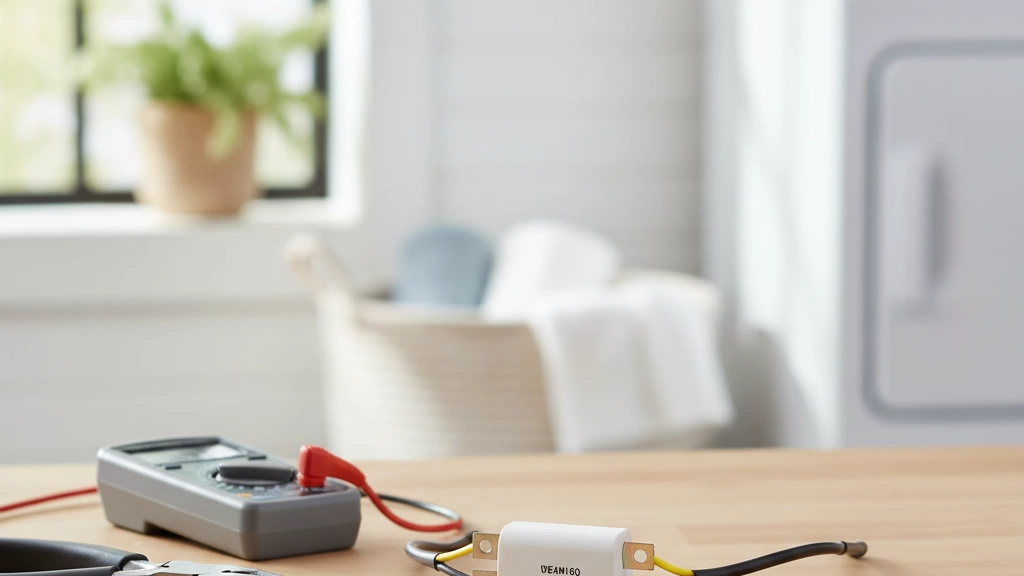
- Multimeter for a basic multimeter fuse test (continuity setting)
- Flashlight or headlamp
- Insulated screwdriver (if needed for main fuse block covers)
- Spare fuses:
- 15A and 20A plug fuses (Type S, TL, or W depending on your panel)
- Main 30A–100A cartridge fuses, matched to your panel label
If you’re unsure what your panel uses, I’d first review a basic guide to an electrical fuse box in the home so you don’t buy the wrong style.
How to tell if a house fuse is blown
Common clues your house fuse keeps blowing or has failed:
- That section of the house is completely dead (no outlets, no lights).
- Other parts of the home still work normally.
- On plug fuses:
- Glass window looks dark, cloudy, or burnt.
- Metal strip inside is visibly broken.
- On cartridge fuses:
- Often no visual sign; you’ll need a multimeter.
- The fuse feels very hot or smells burnt (do not touch it with bare fingers if it’s hot).
How to remove and test plug fuses
Plug fuses are the small, screw‑in types (Edison‑base or Type S) in many old house fuse boxes:
- Turn off power to that circuit or pull the main if possible.
- Double‑check with a non‑contact tester on a nearby outlet to confirm power is off.
- Use a fuse puller or a dry cloth; avoid gripping the metal ring.
- Unscrew the plug fuse counterclockwise, gently.
- Visual check:
- Broken filament or dark glass = usually blown.
- Multimeter test (continuity):
- Set to continuity or lowest ohm setting.
- Touch one probe to the fuse tip, one to the metal side.
- Beep or low resistance = good fuse.
- No beep / OL = blown fuse.
How to remove and test cartridge fuses
Cartridge fuses usually sit in a main fuse block or pullout:
- Shut off all branch fuses first (reduces load).
- Grasp the fuse block handle firmly and pull straight out (some take real effort).
- Place the block on a dry, non‑conductive surface.
- Use a cartridge fuse puller to remove each fuse from the block.
- Multimeter test:
- Set to continuity.
- Touch one probe to each end of the fuse.
- Beep / low resistance = good.
- No continuity = blown.
- Reinsert replacement fuses of the exact same type and amp rating.
- Push the main block back into the panel fully and firmly.
If your main fuses are labeled (for example, “30 amp cartridge fuse”), match that wording exactly when buying new ones.
Common fuse replacement mistakes to avoid
These are the problems I see most often with old electrical fuse boxes:
- Oversizing the fuse
- Swapping a 15A with a 20A or 30A just to “stop it from blowing” is dangerous.
- This can overheat old wiring and cause fires.
- Using the wrong fuse type
- Type W (fast‑acting) instead of Type TL or time‑delay on motor circuits (AC, fridges).
- Non‑rejection Edison fuses in panels that require Type S plug fuse adapters.
- Bypassing the fuse
- Never use coins, foil, or wire in place of a fuse. This is a serious fire hazard.
- Mixing brands and sizes randomly
- The fuse size and amp rating chart on your panel (or panel cover) is there for a reason. Follow it.
- Ignoring repeated failures
- If the same fuse keeps blowing, you likely have an overload, short circuit, or ground fault, not a “bad fuse batch.”
If anything feels off—burnt smell, buzzing, scorch marks, or you’re unsure of the proper replacement—stop DIY work and call a licensed electrician or start planning a safe fuse box upgrade instead of pushing an unsafe panel any further.
Troubleshooting Repeatedly Blown Electrical Box Fuses
When a house fuse keeps blowing, your electrical box is telling you something is wrong. Replacing fuses over and over is not a fix—it’s a warning. Below I’ll walk through what’s normal, what’s not, and when you absolutely need a licensed electrician.
Normal vs Abnormal Fuse Blowing Patterns
Normal patterns:
- A single fuse blows once after:
- Plugging in a big new appliance on an old circuit
- Running a space heater, hair dryer, or microwave with other devices on the same line
- It doesn’t blow again after you:
- Unplug or move one of the heavy loads
- Spread devices across different circuits
Abnormal patterns (red flags):
- The same fuse blows:
- Immediately or within seconds of resetting
- Even with very few items plugged in
- Randomly, with no obvious load increase
- You see or smell:
- Burning smell, melted fuse base, scorch marks
- Buzzing or crackling from the electrical fuse box
Abnormal = likely short circuit, damage, or bad wiring. Don’t ignore it.
Overloaded Circuits and Too Many Devices
In older homes, fuse box wiring often shares too many outlets on one circuit. Overloads are the most common cause of blown fuses.
Typical overload culprits:
- Space heaters, portable A/C units
- Hair dryers, curling irons
- Microwaves and toasters
- Electric kettles, air fryers, instant pots
- Multiple computers, gaming PCs, and chargers on one outlet strip
Signs of overload:
- Fuse blows after several minutes of use
- Lights dim when big appliances start
- Fuse ratings are low (15A) but heavy loads are on that circuit
What to do:
- Move heavy appliances to other circuits (test which fuse controls which outlets)
- Avoid power strips full of high-watt devices
- Use a dedicated circuit for heaters and big kitchen appliances if possible
For a deeper look at how fuses react to overloads and how they compare to breakers, I recommend this guide on electrical fuses and circuit breakers.
Short Circuits and Ground Faults in Old Wiring
If it’s not an overload, you may have a short circuit or ground fault, which is more serious.
Short circuit basics:
- Hot wire touches neutral or ground
- Current spikes instantly
- Fuse blows fast—sometimes as soon as you replace it
Ground fault basics:
- Hot wire contacts grounded metal or damp surfaces
- More common in bathrooms, kitchens, basements, and outdoor circuits
Warning signs in old house fuse boxes:
- Fuse blows immediately when you:
- Flip on a specific switch
- Plug in a certain device
- Burn marks around outlets or switches
- Warm outlets, tingling when you touch metal appliances
- Tripping when it’s wet or humid
If you see any of this, you’re no longer in “basic DIY” territory. This can be fire and shock risk.
Step-by-Step Checklist When the Same Fuse Keeps Blowing
Use this checklist to narrow things down safely. If at any step you’re unsure, stop and call a pro.
Identify the problem circuit
- Note which rooms/outlets lose power when the fuse blows
- Label that circuit on your home fuse panel if it’s not already labeled
Unplug everything on that circuit
- Unplug all lamps, chargers, appliances, and strips
- Turn off all switches on that circuit
Replace the fuse with the correct rating
- Match the amp rating and type (e.g., 15A Type TL plug fuse)
- Never “upsize” the fuse to a higher amp to stop it blowing
Turn the circuit back on and test
- With everything unplugged, turn lights on first
- If the fuse blows with nothing plugged in:
- Likely a wiring issue, fault in a switch, or damaged cable
Plug devices back in one at a time
- Start with low-power items (lamps, chargers)
- Then test larger loads (microwave, heater) one by one
- If it blows after a specific device:
- That device may be bad
- Or that circuit can’t handle that load
Watch for patterns
- Blows only when using a certain outlet → outlet/wiring problem
- Blows only with a certain appliance → appliance issue
- Blows at random with light loads → likely wiring or fuse box problem
Optional: multimeter fuse test and outlet checks
- If you’re comfortable, you can:
- Use a multimeter to check continuity on the fuse
- Check for voltage and loose connections at outlets
- If you’re not experienced with this, don’t risk it—this is where a licensed electrician earns their fee
You can also review this focused explanation on electric fuse tripping causes if you want a simple breakdown of why fuses blow in different scenarios.
When to Stop DIY and Call a Licensed Electrician
You should bring in a pro immediately if:
- The fuse blows:
- Instantly, even with everything unplugged
- As soon as you screw in the replacement fuse
- You see:
- Burn marks on the main fuse block or fuse holders
- Melted insulation, a cracked panel cover, or buzzing noises
- You suspect:
- Aluminum wiring, brittle cloth insulation, or DIY “hack” repairs
- A known-problem panel brand or model that’s been recalled or flagged
You should also call an electrician if:
- You have to replace the same fuse more than two times in a short period
- You keep rearranging devices but still trip the fuse regularly
- You’re thinking about heavier loads (EV charger, new HVAC, big kitchen upgrades) on an old home fuse panel
Bottom line:
- One blown fuse after an obvious overload = normal.
- Repeated, unexplained blown fuses = get a licensed electrician to inspect the electrical fuse box, fuse panel wiring, and overall load capacity. Protecting your wiring and your home is far cheaper than dealing with a fire or major electrical damage.
Buying Replacement Fuses for Your Electrical Box
Why some old fuses are hard to find locally
A lot of older electrical fuse boxes use plug fuses and cartridge fuses that hardware stores barely stock anymore.
Reasons they’re hard to find:
- The market shifted to breaker panels, so demand dropped.
- Some Edison-base fuses and odd amp sizes (like 25A Type T) are basically “legacy” products.
- Certain brands and styles are discontinued or limited to specialty distributors.
If you’re unsure what you have, compare your panel setup with a modern fuse electrical panel guide so you know what you’re actually shopping for.
Buying Type S, TL, Fustat, and other specialty fuses online
You can still get most specialty plug fuses and cartridge fuses online, even when local stores say “we don’t carry that”:
- Type S plug fuses (with rejection-base adapters) – safer, help prevent overfusing.
- Type TL (time-delay) fuses – good for motor loads (fridges, AC units, pumps).
- Fustat / Type T fuses – older style screw-in fuses; still available but niche.
- Main cartridge fuses – 60A, 100A, 30A cartridge fuses for main blocks and large appliances.
Stick to reputable online fuse suppliers, check voltage and amp rating, and confirm the fuse type (plug vs cartridge, time-delay vs standard).
How to cross‑reference old fuse numbers to modern parts
When the exact part number is obsolete:
- Start with what’s printed on the fuse: amp rating, voltage, type (TL, S, T, FRN, etc.).
- Use manufacturer cross-reference charts from major brands (Bussmann, Littelfuse, etc.).
- Match by:
- Amp rating (e.g., 15A, 20A, 30A)
- Voltage rating (125V, 250V)
- Time characteristic (fast-blow vs time-delay)
- Physical base (Edison screw-in, Type S, cartridge dimensions)
If in doubt, replace with an equal or lower amp rating, never higher.
Tips for stocking spare fuses for your fuse panel
Treat fuses like consumables. You don’t want to be stuck in the dark at 10 p.m.
Smart way to stock up:
- Keep at least 3–5 spare of each plug fuse size your home uses:
- 15A plug fuses – most lighting and outlet circuits
- 20A time-delay fuses – kitchen, laundry, small AC units
- Keep 2 spare main cartridge fuses (match the exact amp rating on your main fuse block).
- Label a small box: “Spare fuses – do NOT oversize. Match the number.”
- Tape a simple fuse size and location chart inside the fuse panel door so anyone in the home can match fuses correctly.
Stocking the right fuses in advance is cheaper and far safer than improvising with the wrong parts when a house fuse keeps blowing.
Upgrading from Fuses to Circuit Breakers
If your home still uses an electrical fuse box, upgrading to a modern breaker panel is usually one of the best electrical investments you can make.
When It Makes Sense to Replace a Fuse Box
You should seriously consider a panel upgrade if:
- The main panel is fuse‑based and:
- You frequently replace blown fuses
- You need more circuits for EV charger, heat pump, A/C, or kitchen upgrades
- The service is 60A or 100A and your home is:
- All‑electric, or
- Packed with modern appliances and electronics
- The panel shows:
- Signs of overheating (burn marks, melted fuse holders)
- Loose, corroded, or jury‑rigged fuse box wiring
- You’re planning:
- A remodel or addition
- Solar, battery storage, or EV charging
- Your insurer has flagged your old house fuse box as a risk or is charging higher premiums
If you’re dealing with higher‑voltage distribution gear, stepping up to modern vacuum breaker or gas‑insulated tech (similar to a compact high‑voltage SF₆ gas‑insulated tank circuit breaker) is the same idea at a bigger scale: more protection, easier service, better long‑term reliability.
Typical Fuse Panel Upgrade Cost in 2026
Real numbers vary by country and city, but here’s a simple ballpark for a full panel replacement by a licensed electrician:
| Scope (Residential) | Typical Range (2026, USD Equivalent) |
|---|
| 100A fuse box → 100A breaker panel | $1,200 – $2,200 |
| 100A fuse box → 150A / 200A breaker panel | $1,800 – $3,500 |
| Panel + service upgrade + meter work | $2,500 – $5,000+ |
What moves the price:
- Local labor rates and permit fees
- Whether the utility service / meter base must be upgraded
- Wall repair and relocation needs
- Extra AFCI / GFCI breakers and surge protection
Benefits of a Modern Breaker Panel (AFCI, GFCI, Convenience)
Upgrading from fuses to breakers isn’t just about convenience; it’s about safety, future‑proofing, and insurance.
Key benefits:
- No more fuse hunting
- Reset tripped breakers instead of buying new fuses
- AFCI breaker upgrade (arc‑fault protection)
- Helps catch dangerous arcing in old wiring and cord damage
- GFCI protection for old panels (ground‑fault protection)
- Better shock protection in bathrooms, kitchens, garages, outdoors
- More circuits, less overload
- Dedicated lines for big loads (A/C, ovens, EVs, data, workshop tools)
- Cleaner inspections & higher buyer confidence
- Easier to pass electrical inspections and home sale reports
- Better surge and system protection
- Whole‑home surge devices are simpler to add to a breaker panel
Hazardous or Recalled Panels and What To Do
Some older panels are known troublemakers and are often flagged by home inspectors and insurers:
Common problem brands/types:
- Federal Pacific (FPE) fuse or breaker panels
- Zinsco / Sylvania panels
- Any panel with:
- Burned bus bars
- Melted or discolored plastic
- Loose, corroded, or modified fuse holders
If you have one of these:
- Do not DIY major work on the panel.
- Schedule an inspection with a licensed electrician.
- Be ready for a strong recommendation to replace, not repair.
- Use the electrician’s report when talking to your insurance or during a home sale.
Partial Upgrades vs Full Service Panel Replacement
Sometimes a full rip‑and‑replace isn’t the only path. But you need to know the limits.
Partial upgrade options:
- Add a sub‑panel with breakers, fed from the existing fuse box
- Add GFCI outlets and AFCI breakers downstream where possible
- Clean up wiring, label fuses, and correct obvious code issues
When a full replacement is smarter:
- Panel is undersized, damaged, or a known hazardous brand
- You need more amps (150A/200A) for modern loads
- Insurance or the local authority requires an upgrade
- You’re remodeling and don’t want to touch the panel twice
Comparison:
| Option | Pros | Cons |
|---|
| Partial upgrade | Lower cost now, less disruption | Old risks remain, limited expansion |
| Full breaker panel upgrade | Best safety, capacity, resale value | Higher upfront cost, requires permits/utility |
If you plan to stay in the home or want clean inspections and better insurance options, I’d lean hard toward a full breaker panel upgrade instead of endlessly patching an aging fuse box.
Electrical Box Fuse FAQs
Are electrical fuse boxes still legal and safe today?
Yes, in most regions old electrical fuse boxes are still legal as long as:
- Wiring and fuses are correctly sized
- There are no obvious hazards (burn marks, loose parts, bypassed fuses)
- The panel hasn’t been recalled or condemned
They’re not up to modern convenience or protection standards (AFCI, widespread GFCI), so I treat them as “acceptable but aging,” not long‑term solutions.
Can you swap a lower-amp fuse for a higher-amp one?
No. Never upsize a fuse.
- 15A circuit = 15A fuse
- 20A circuit = 20A fuse
Putting a bigger fuse on smaller wiring is how house fires start. If a house fuse keeps blowing, fix the overload or fault—don’t “solve” it with a larger fuse.
What is a Type S fuse and adapter?
A Type S plug fuse is a rejection-base fuse that screws into a matching adapter so you can’t oversize the fuse.
- Adapter is installed once for a specific amp rating (15A, 20A, 30A)
- Only matching Type S fuse will fit afterward
They were designed to upgrade old Edison base fuses to something safer and tamper‑resistant.
How do I tell if a cartridge fuse is blown?
For a cartridge fuse (like a 30A main fuse):
- Visual check:
- Glass-body: look for a broken element or burn mark
- Solid-body: often no visual clue
- Multimeter test (best way):
- Set to continuity or lowest ohms
- Touch both ends of the fuse
- Good fuse = beep / near‑zero ohms
- Blown fuse = no beep / infinite resistance
Use a fuse puller tool and kill power before touching any main fuse block.
Fuse boxes and home insurance issues
A home fuse panel can:
- Raise questions with insurers, especially in older homes
- Trigger higher premiums, inspections, or conditions (e.g., GFCI receptacles, no overfusing)
- Sometimes be flagged if combined with certain brands or very old fuse box wiring
Some carriers strongly prefer or require panel upgrades to modern breakers for long‑term coverage.
Type W vs Type TL plug fuses
| Type | Style | Feature | Typical Use |
|---|
| W | Standard plug fuse | Fast-acting | Lights, simple loads |
| TL | Time-delay (slow) | Handles brief surges | Motors, fridges, A/C, pumps |
For circuits with startup surges (motors, compressors), a Type TL time-delay fuse works better and trips less often—without oversizing the amp rating.
Adding new circuits to a fuse panel
You usually shouldn’t expand an old home fuse panel much further:
- Many are already at or near capacity
- Extra circuits may overload the service
- Panel might not meet current code requirements
Any new circuit or fuse panel replacement should be evaluated by a licensed electrician; in many cases, it makes more sense to plan a panel upgrade instead.
Availability of old Edison-base fuses
Edison-base screw-in fuses are still sold, but:
- The safer choice is Type S fuses with adapters
- Some odd ratings and styles are limited or “special order”
- Very old or strange styles can be hard to find locally
Online specialty electrical fuse suppliers are often the best source when local stores only stock basics.
How long do home cartridge fuses usually last?
A properly sized cartridge fuse can last decades if:
- The circuit isn’t overloaded
- No repeated shorts or faults occur
- Terminals stay tight and corrosion‑free
If a main 30 amp cartridge fuse blows even once, I always recommend a full inspection of the circuit and panel.
Where can I find rare or odd-amp fuses like 25A Type T?
For odd or hard-to-find fuses (like a 25A Type T plug fuse or older 20A time-delay types):
- Check electrical supply houses (not just big-box stores)
- Use online specialty electrical fuse retailers
- Cross-reference old numbers to modern equivalents using manufacturer charts
When a panel is relying on hard‑to-source fuses or obsolete hardware, that’s usually a sign to start planning a fuse panel vs breaker panel upgrade path with a pro. For higher-voltage or industrial applications, I’d look at modern solutions like a medium voltage circuit breaker system instead of relying on legacy fuse setups.