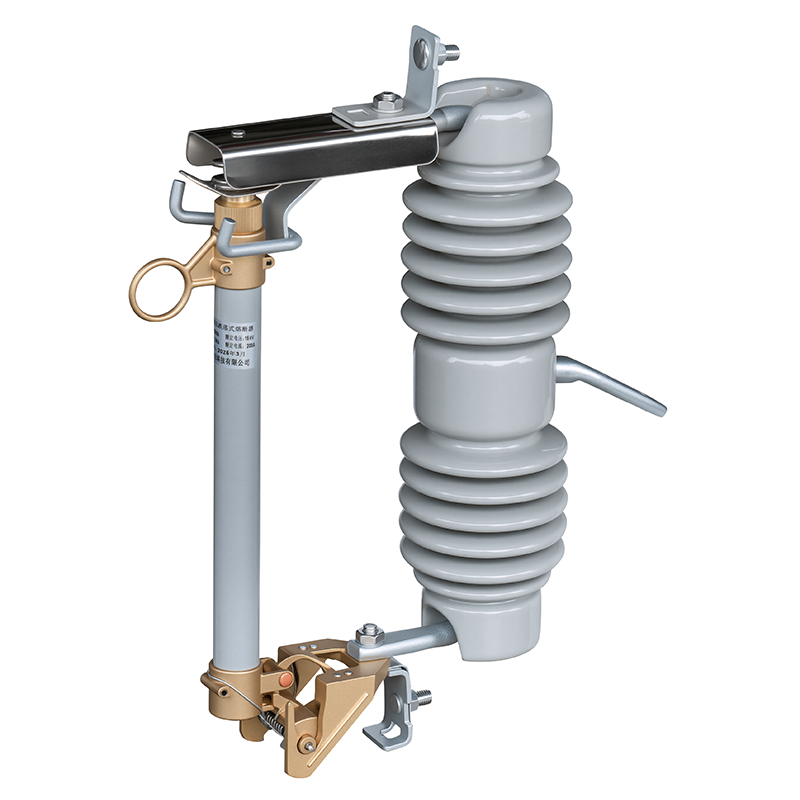
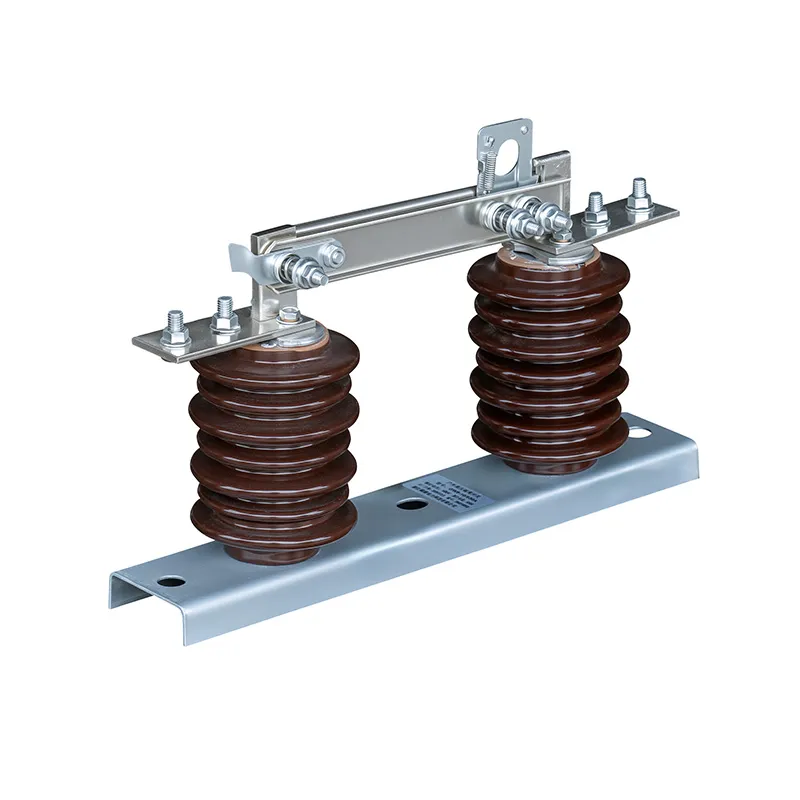
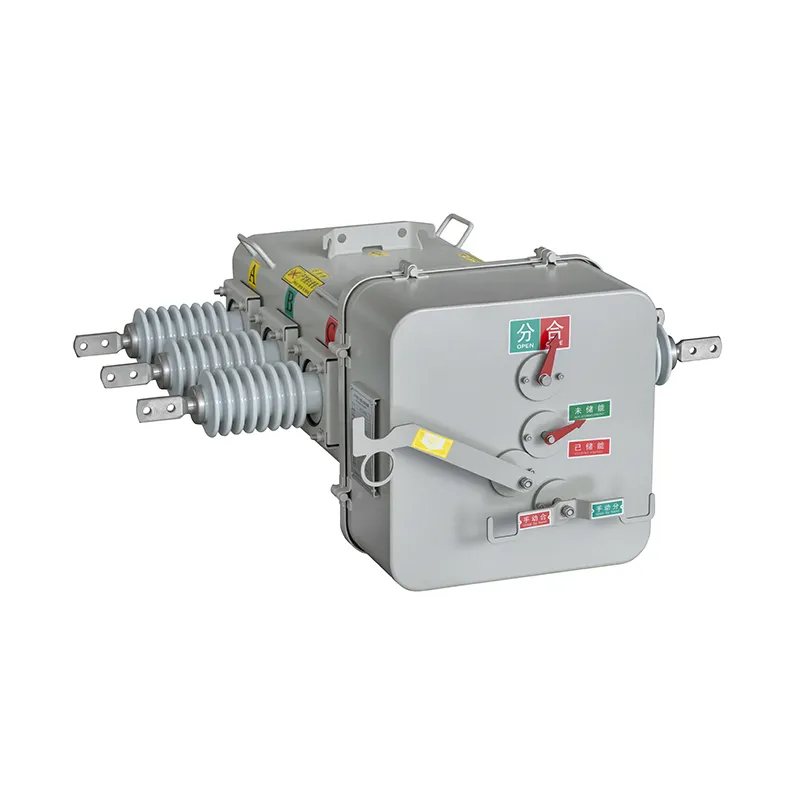
If you’ve ever lost power to one outlet or room and had to hunt down a tiny piece of wire or a little glass tube, you’ve met an electrical fuse.
A fuse is a sacrificial safety device. It’s designed to destroy itself before your wires overheat and start a fire.
Simple Definition of an Electrical Fuse
An electrical fuse is:
A small component placed in series with a circuit
Containing a thin metal strip or wire with a known melting point
That melts (“blows”) when too much current flows, cutting off power
In plain language: If the current gets too high, the fuse melts and opens the circuit, stopping electricity from flowing and protecting your wiring and equipment.
How a Fuse Reacts to Overloads and Short Circuits
A fuse protects against two main problems:
Overload (too many things plugged in)
Current is slightly higher than normal for a period of time
The fuse wire heats up gradually
If the overload continues, the wire melts and blows
Short circuit (live wire touches neutral or ground)
Current spikes very high, very fast
The fuse wire vaporizes almost instantly
This fast reaction helps stop fire and severe damage
Key point: The higher the fault current, the faster a properly sized fuse will blow.
Main Types of Fuses Used in Homes
You’ll still see a few common household fuse types around the world:
Fuse Type
What It Looks Like
Typical Use
Rewirable fuse
Ceramic body with replaceable fuse wire
Older fuse boxes, small buildings
Cartridge fuse
Sealed cylinder, metal caps at each end
Main incoming protection, appliances
Glass tube fuse
Clear glass tube with visible wire inside
Electronics, power supplies, small devices
Ceramic fuse
White/opaque body, often sand-filled
High-current circuits, higher fault levels
Rewirable Fuse vs Cartridge Fuse (HRC)
This is a big one in older homes.
Rewirable fuse:
You manually replace the fuse wire after it blows
Very easy to misuse (people put in thicker wire “so it stops blowing”)
Lower breaking capacity – not ideal for modern high-fault currents
Cheap, but easy to do dangerously wrong
Cartridge fuse / HRC (High Rupturing Capacity):
Factory sealed, precise metal element inside
Often filled with sand to quench the arc safely
Can safely interrupt very high fault currents
You replace the whole cartridge, no rewiring
Much safer and more predictable than rewirable fuses
Bottom line: If safety and reliability matter, a cartridge (HRC) fuse is a clear step up from a rewirable fuse.
Common Household Fuse Ratings and Typical Uses
Here’s a quick guide to typical fuse ratings and where you’ll see them (exact values vary by country, but these are very common):
Fuse Rating
Typical Use
3A–5A
Small electronics, phone chargers, lamps, routers
10A–13A
Plug-in appliances (kettles, toasters, PCs, TVs)
15A
Older lighting circuits, small general circuits
20A
Small air conditioners, dedicated appliance circuits
30A–32A
Electric water heaters, cookers, dryers, EV-ready circuits
Rule of thumb: The fuse rating must match the wire size and load. Oversizing “for convenience” is a fire risk, not an upgrade.
Where You’ll Find Fuses in a Home or Small Business
Even in 2025, fuses are still everywhere:
Old fuse boxes / consumer units
Inside appliance plugs (common in some regions)
Inside power strips with built-in fuses
In HVAC units, boilers, and water heaters
In electronics: TVs, amplifiers, chargers, power supplies
In UPS units, inverters, and some solar equipment
You might not see them at first glance, but anytime a device has a small removable cap marked with “FUSE”, there’s one hiding inside.
Real‑World Example of a Blown Fuse
Picture this:
You plug a space heater into a power strip already feeding a TV, console, and router.
The total current goes above what the circuit or plug fuse is rated for.
After a minute or two, everything on that strip goes dead.
What happened?
The fuse in the plug or power strip blew.
It sacrificed itself to stop the wire and outlet from overheating.
You replace it with a same‑rating fuse, the devices come back to life, and the wiring stays safe.
If, instead, someone shoved in a higher‑rated fuse “so it doesn’t blow”, that same situation could end with melted insulation, a burning smell, or worse, a fire.
Key takeaway: A properly rated electrical fuse is a cheap, simple, and very fast short circuit protection device. It’s not “old‑fashioned junk” – it’s a critical safety component that protects your home every time something goes wrong.
What Is a Circuit Breaker and How Does It Work?
Basic idea: a resettable safety switch
A circuit breaker is a resettable safety switch that automatically cuts off power when something goes wrong in your wiring – like an overload or a short circuit. Unlike a fuse, it doesn’t melt and need replacing. You just switch it back on once the problem is fixed.
How circuit breakers trip: thermal vs magnetic
Most home breakers are thermal‑magnetic. They protect in two main ways:
1. Thermal trip – overload protection
This handles situations where you run too many devices on one circuit for too long (heaters, kettles, AC, etc.).
Inside the breaker is a bimetal strip (two metals bonded together).
When current is slightly above the rated value (e.g., 20A on a 16A breaker), the strip heats up and bends.
After some time, that bending triggers the switch inside and the breaker trips off.
This time delay is intentional so normal short peaks (like a fridge starting) don’t cause nuisance trips.
Thermal trip = slow but smart response to long‑term overload.
2. Magnetic trip – short‑circuit protection
This is for serious faults, like a live wire touching neutral or earth.
Inside, there’s a small electromagnet coil.
When a huge current flows (like 10–20x the breaker rating), the magnetic field becomes strong enough to instantly pull a metal latch.
The breaker snaps open in milliseconds, cutting power fast to reduce fire and shock risk.
Magnetic trip = instant reaction to dangerous faults.
For high‑energy, utility‑side applications, we use larger vacuum and SF₆ gas insulated circuit breakers with very fast interruption and high breaking capacity, like our outdoor AC high‑voltage vacuum circuit breaker, but the basic protection idea is the same: detect abnormal current and break the circuit safely.
Electronic and smart circuit breakers in 2025
By 2025, many homes and small businesses are shifting to electronic and smart breakers:
Electronic trip units: Use sensors and microchips instead of only bimetal strips.
More precise trip curves
Adjustable settings for different loads
Better coordination with upstream/downstream protection
Smart Wi‑Fi breakers:
Real‑time energy monitoring per circuit
Remote on/off control via app
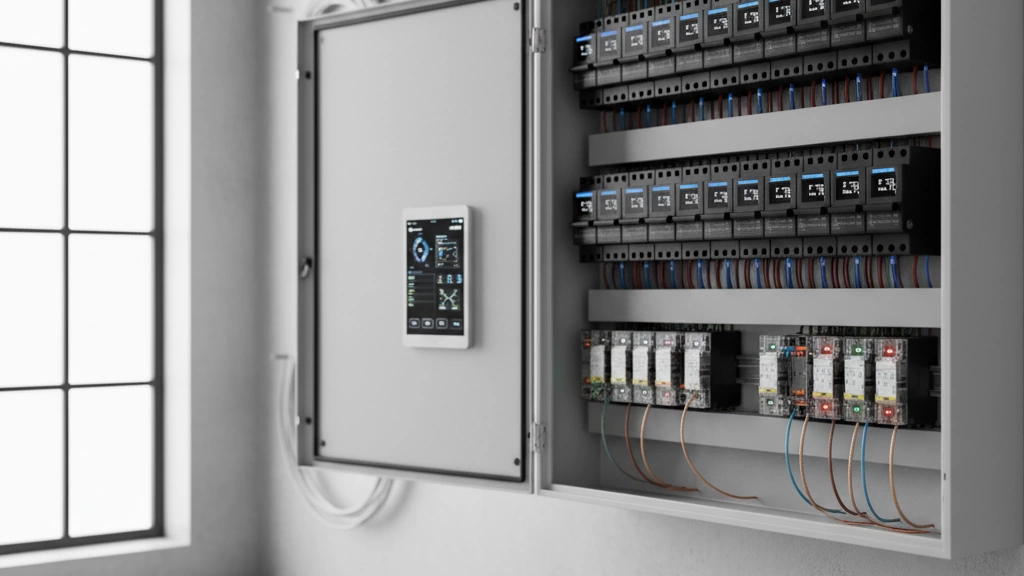
Push alerts for trips, overloads, or abnormal current patterns
Integration with solar, batteries, and EV chargers
Smart breakers give owners visibility and control instead of a “black box” panel.
Common residential circuit breaker types
Here’s what you’re likely to see in a modern home panel:
MCB (Miniature Circuit Breaker)
Standard breaker for lighting and socket circuits
Protects against overload and short circuit
RCCB (Residual Current Circuit Breaker) / RCD
Monitors current difference between live and neutral
Trips when some current leaks to earth (potential shock)
Protects people, not just wires
RCBO (Residual Current Breaker with Overcurrent)
Combines MCB + RCCB in one device
Protects against overload, short circuit, and earth leakage
GFCI (Ground Fault Circuit Interrupter) – North America
Similar to RCCB/RCBO
Required in bathrooms, kitchens, outdoor outlets, garages, basements
AFCI (Arc Fault Circuit Interrupter)
Detects dangerous arcing (damaged cords, loose connections in walls)
Greatly reduces fire risk, now common in bedrooms and living areas
Many new panels use RCBOs + AFCI or combined AFCI/GFCI breakers for stronger all‑round protection.
Home electrical panel explained (simple version)
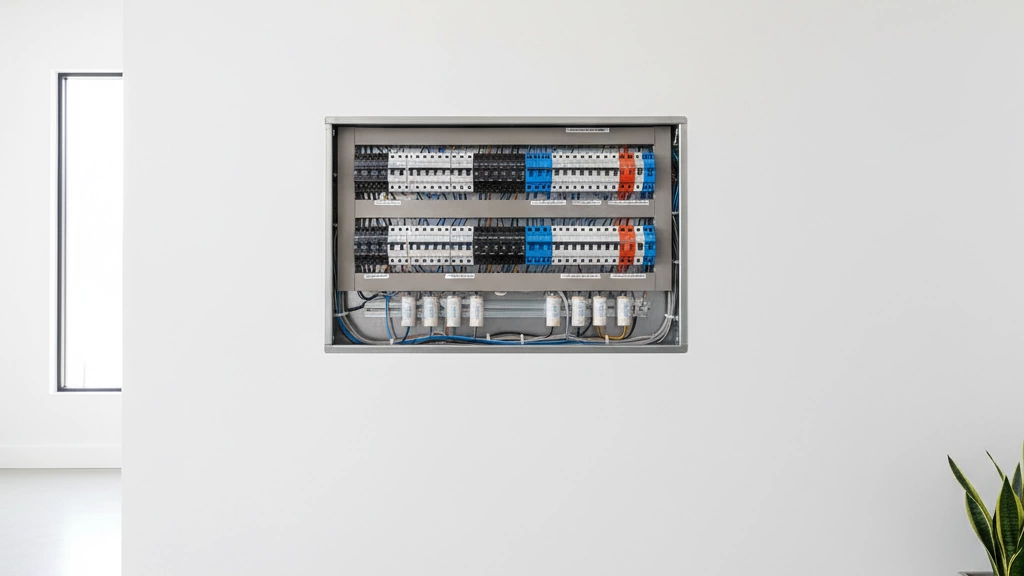
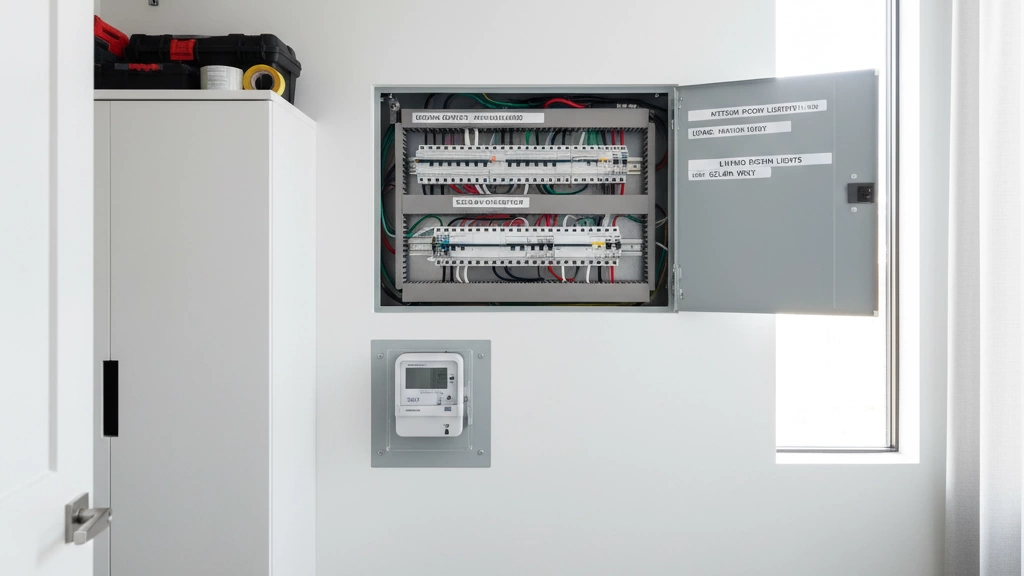
Your breaker panel (or consumer unit/load center) is the “traffic hub” of your power:
Main breaker
One big switch that can shut off power to the whole house
Limits the total current from the utility (e.g., 100A, 150A, 200A service)
Branch circuit breakers
Individual switches feeding specific areas or devices:
Lighting circuits
Socket circuits
Kitchen circuits
Large loads: oven, AC, water heater, EV charger, etc.
Each breaker is sized to match the wire size and the expected load on that circuit – this is key for safety.
Real‑world example: breaker tripping during a fault
Imagine this scenario:
You plug an old space heater into a living room outlet.
Inside the heater, a wire works loose and touches the metal frame, causing a short circuit.
Current spikes far above normal in a flash.
What happens next:
The magnetic trip in that circuit’s MCB senses the huge current spike.
It reacts in milliseconds, snapping the breaker off.
Lights on that circuit go dark, the heater powers down, and the panel breaker handle flips to the middle / OFF position.
You go to the panel, see that one breaker is tripped.
You unplug the heater, reset the breaker by switching it fully OFF then ON.
The circuit works again – but the faulty heater stays out of service.
That quick trip likely prevented wiring damage or a fire, and you didn’t have to replace a fuse – just fix the root cause and reset the breaker.
Fuse vs Circuit Breaker: Side‑by‑Side Comparison
Quick overview for homeowners
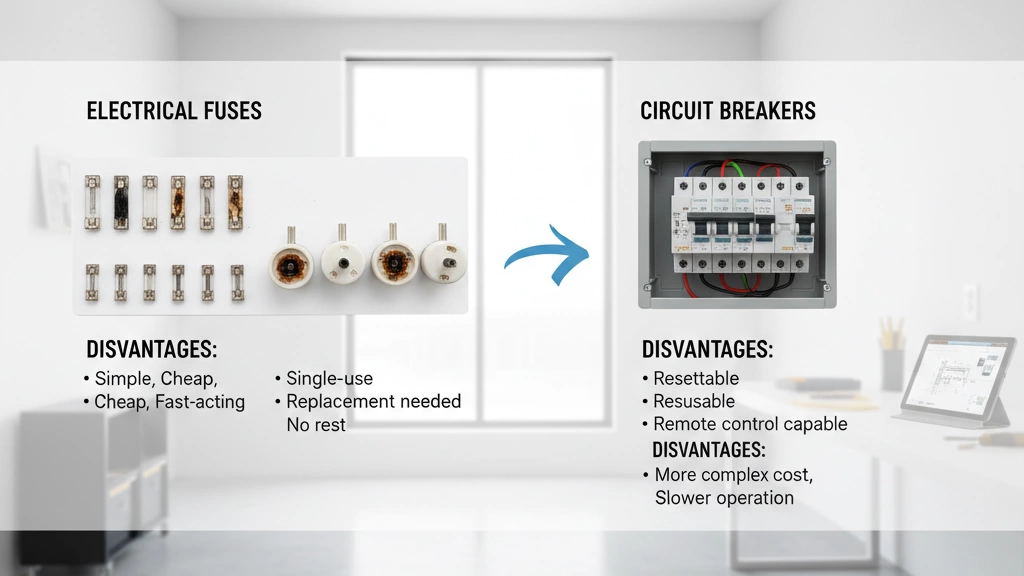
Both electrical fuses and circuit breakers protect your wiring from overload and short circuits.
A fuse sacrifices itself once and must be replaced.
A circuit breaker trips off and can be reset.
In 2025, most homes worldwide rely on residential MCB breakers and smart panels, while fuses are mainly found in older boards, appliances, and some specialty gear.
Fuse vs circuit breaker comparison table
Feature
Fuse
Circuit Breaker
Basic function
Melts and opens the circuit
Mechanical switch that trips and opens
Reset method
One‑time use, must be replaced
Flip the handle to reset
Typical location
Old fuse box, plugs, appliances
Main breaker panel/load center
Response to big short circuit
Very fast, excellent limitation
Fast, but usually slower than a fuse
Overload handling
Simple, not adjustable
Adjustable options available (pro use)
User convenience
Low – needs tools/replacement wire
High – just reset the breaker
Upfront device cost
Very low
Higher than a fuse
Long‑term cost
Higher if they blow often
Lower – no parts to replace after trips
Extra protection (AFCI/GFCI)
Not available
Available (AFCI, GFCI, RCBO, smart)
Best fit today
Internal appliance protection
Whole‑home and small business distribution
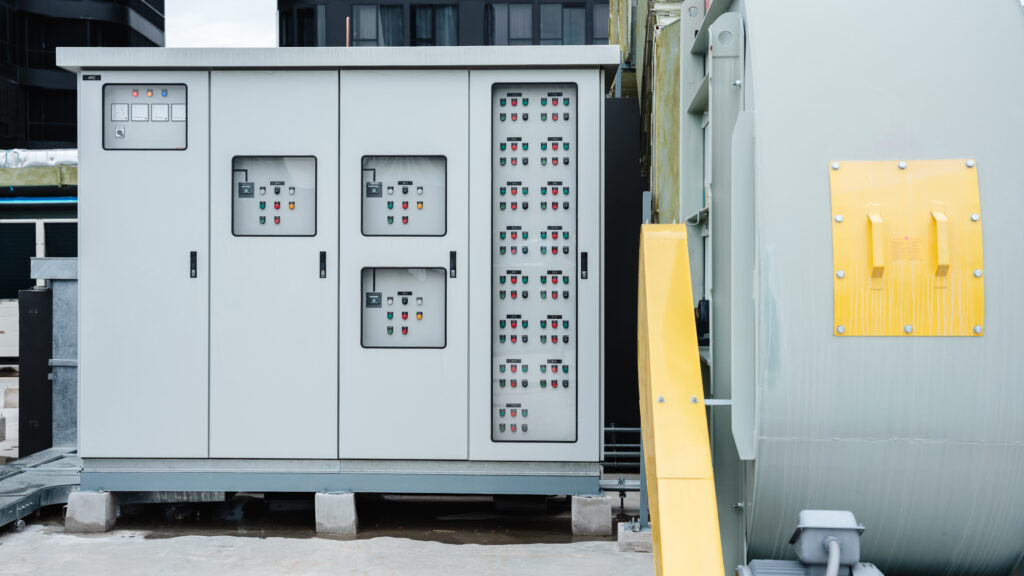
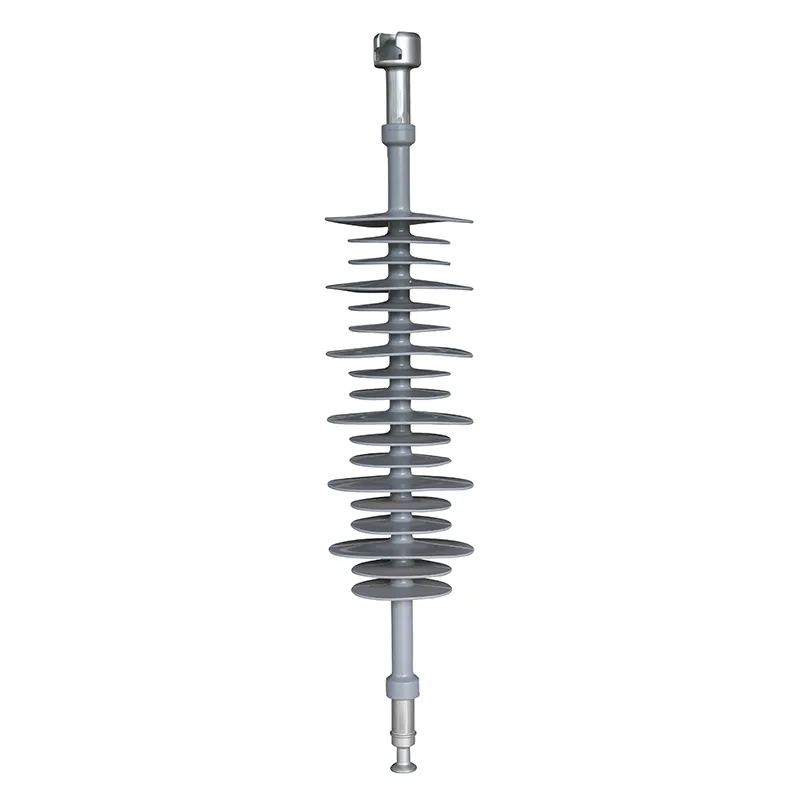
For medium‑voltage or industrial systems, we use dedicated gear like medium‑voltage circuit breakers and high‑voltage fuses, but for home users the table above is the key.
Response time & protection performance
Fuses
React extremely fast during severe short circuits.
Great at limiting the energy let through into the fault.
Often used as high rupturing capacity (HRC) fuses in demanding circuits.
Circuit breakers
Slightly slower in extreme faults, but still very effective for home use.
Offer thermal + magnetic trip curves tuned for typical household wiring.
Advanced types (AFCI, GFCI, RCBO) add fire and shock protection that fuses simply cannot.
For a normal house, modern breakers give better overall safety, even if a fuse wins on pure reaction speed.
Cost: upfront price vs long‑term value
Fuse
Cheap to buy.
Ongoing cost each time it blows.
Extra cost if you call an electrician just to replace it.
Circuit breaker
More expensive upfront.
No replacement cost when it trips.
Saves time and call‑out fees, especially in rentals, offices, and busy homes.
Over a few years, breakers usually win on total cost of ownership, especially where trips are not rare (old wiring, many plug‑in devices, EV chargers, etc.).
Ease of use: replace a fuse vs flip a breaker
Fuse
You need to:
Identify which fuse blew.
Remove the carrier or fuse link.
Fit the correct rating (and type) safely.
Easy to make mistakes: oversizing, wrong type, poor contact, DIY re‑wiring.
Circuit breaker
Trip is clear: handle moves to middle/off position.
You just:
Turn devices off on that circuit.
Flip breaker fully OFF then back ON.
No extra parts, no tools, no opening carriers.
For everyday users, breakers are far safer and simpler.
Safety in modern homes
In 2025, the safety bar is higher:
Circuit breakers offer:
AFCI breakers to reduce arc‑fault fires, especially in bedrooms and living areas.
GFCI / RCCB / RCBO to protect against electric shock in bathrooms, kitchens, outdoor circuits.
Options for Wi‑Fi circuit breaker monitoring and energy tracking, helping you catch faults early.
Fuses lack:
Arc‑fault detection
Ground‑fault protection
Remote monitoring
For a typical modern home, circuit breakers clearly offer better protection and meet current insurance and code expectations far better than an old fuse box.
Suitability in 2025: new builds, renovations, older homes
New builds
Use a breaker panel (load center) with MCBs, RCBOs, and AFCI/GFCI protection.
Smart, monitored panels are increasingly common in higher‑end projects and energy‑aware households.
Renovations / panel upgrades
When increasing load (EV charger, heat pump, bigger HVAC, solar), a modern breaker panel is the right move.
Some legacy systems might use inline cartridge fuses or high‑capacity fuses upstream, but branch circuits should be on breakers.
Older homes still on fuses
A well‑maintained fuse board can still be safe, but it’s less convenient and usually behind on shock and arc‑fault protection.
If you’re adding big loads or seeing frequent blown fuses, upgrading to a breaker panel is usually the smarter, safer play.
In short:
Fuses still make sense inside appliances, electronics, and some specialty circuits.
Circuit breakers are the standard choice for whole‑home protection in 2025.
Advantages and Disadvantages of Electrical Fuses
Key advantages of using electrical fuses
When I look at electrical fuses and circuit breakers, fuses still have a few strong points:
Very fast response A fuse can blow in a fraction of a second during a serious short circuit, often faster than a basic MCB (miniature circuit breaker). That fast action can limit damage to wiring and connected equipment.
Simple and reliable A fuse has no moving parts, electronics, or reset mechanisms. It’s just a calibrated wire or strip:
If current gets too high, it melts.
If current stays normal, it sits there for years.
That simplicity makes fuses very reliable in harsh conditions.
Low cost
Individual cartridge fuses, glass tube fuses, and ceramic fuses are cheap.
Holders are usually low-cost compared to advanced breaker hardware.
For small devices, appliances, and some industrial gear, fuses are cost‑effective protection.
High breaking capacity (HRC fuses) High Rupturing Capacity (HRC) cartridge fuses can safely interrupt very high fault currents. In some high‑fault networks, they can handle more fault energy than a basic breaker at a lower price.
Main disadvantages of fuses in modern installations
In modern homes and small businesses, fuses are often the weak link:
Not resettable When a fuse blows:
You have to replace it, not just reset it.
You need spare fuses on hand.
In the dark or in a hurry, this is annoying and unsafe.
Risk of wrong size (oversizing) Many people “solve” a blowing fuse by putting in a bigger fuse rating (e.g., using a 30A fuse where a 15A should be). This is dangerous:
Wiring can overheat before the fuse blows.
It increases the risk of fire.
It often hides deeper wiring problems.
DIY rewiring issues (rewirable fuses) Old rewirable fuses let you thread your own fuse wire. That sounds flexible, but:
People use the wrong gauge wire.
They double up wire, twist it, or use random copper.
The fuse no longer protects as designed.
Limited safety features A basic fuse only protects against too much current. It does not:
Detect earth leakage like an RCCB or GFCI.
Detect arc faults like an AFCI.
Offer test buttons, indicators, or advanced diagnostics.
Harder for non‑experts Most homeowners are more comfortable flipping a breaker than opening a fuse carrier and guessing about ratings. That gap matters for day‑to‑day safety.
MCB vs fuse: where fuses still make sense
When I compare MCB vs fuse, I don’t see it as “one is always better.” Fuses still make sense in some spots:
Inside appliances and electronics
Glass tube fuses and small cartridge fuses are perfect inside TVs, chargers, audio gear, power supplies, and EV chargers’ control circuits.
They’re cheap, fast, and easy for a tech to replace.
High‑fault current situations In some panels or industrial setups where fault current is very high, an HRC cartridge fuse can:
Clear the fault faster.
Handle higher energy safely than a small MCB.
Simple, dedicated circuits For certain dedicated circuits in older systems (e.g., a single motor, a piece of legacy equipment), a properly sized fuse can still be a solid choice if:
Ratings are correct.
The installation is inspected and maintained.
Backup protection Fuses are sometimes used as backup protection (upstream) to protect breakers from very high fault currents or provide selective coordination.
In normal home branch circuits, I’d usually pick a residential MCB breaker over a fuse. But in devices, control circuits, and high‑energy fault areas, fuses still earn their keep.
Common mistakes people make with fuses
If your house still uses a fuse box vs breaker panel, these mistakes are what I see most:
Oversizing the fuse rating
Replacing a 15A fuse with a 20A or 30A “because it kept blowing.”
Using “whatever fuse is lying around” instead of matching the label.
Ignoring the cable size and using a fuse that’s too large for the wire.
DIY rewirable fuse hacks
Using any copper wire they can find.
Twisting multiple wires together to “make it stronger.”
Wrapping the fuse wire incorrectly around the terminals.
Mixing slow‑blow and fast fuses randomly
Using a slow‑blow fuse where fast protection is required.
Causing nuisance operation or under‑protection without realizing.
Ignoring blown fuse symptoms
Burning smell at the fuse box.
Discoloration, heat marks, or melted plastic around fuse carriers.
Repeatedly blown fuses on the same circuit and just replacing them without investigating.
These are exactly the kinds of habits that push insurers and codes to prefer breaker panels in 2025.
When a fuse can outperform a basic circuit breaker
Even though I build around breakers for most home wiring safety, I still respect what a good fuse can do. In some cases, a fuse actually wins:
Extremely fast short‑circuit response A correctly sized HRC cartridge fuse can:
Open faster under a severe short than a basic thermal‑magnetic MCB.
Limit let‑through current and energy better, protecting wiring and equipment.
Harsh environments In places with:
Strong vibration
Temperature extremes
Dust, moisture, or corrosive atmospheres A sealed cartridge fuse can be more reliable than a low‑grade breaker with moving parts.
Simple internal device protection For many appliances, power strips, and electronics:
A fuse is smaller, cheaper, and easier to integrate than a tiny breaker.
It gives predictable, one‑time sacrificial protection.
So while circuit breakers dominate new home panels, fuses still matter. Used correctly and sized properly, they’re fast, simple, and effective short circuit protection devices that complement modern breaker technology, not just compete with it.
Advantages and Disadvantages of Circuit Breakers
Key advantages of circuit breakers in homes and small buildings
From a homeowner and building owner point of view, circuit breakers beat fuses in day‑to‑day use:
You can reset them quickly – no need to buy and fit new fuses.
They protect wiring from overloads and short circuits reliably.
They help you spot which circuit has a problem (labeled switches in the panel).
Modern residential circuit breaker types (MCB, RCCB, RCBO, AFCI, GFCI) give layered protection: fire, shock, and nuisance trip control.
They handle higher loads better, which matters for EV chargers, heat pumps, AC units, and home offices.
They’re easier to expand when you add new circuits or solar inverters.
Quick view:
Advantage
What it means for you
Resettable
Flip a switch instead of changing a fuse
Clear ON/OFF indication
You can see which circuit is off at a glance
Better compatibility with new loads
Works better with EVs, solar, HVAC, servers, chargers
Extra protection options
AFCI, GFCI/RCCB, RCBO for fire and shock protection
Easier upgrades
Add or rearrange breakers in the panel
Disadvantages and limitations of circuit breakers
Circuit breakers aren’t perfect, and I’m always honest about that:
Upfront cost is higher than basic fuses and fuse holders.
The panel takes more space and may need a full upgrade in older homes.
They can suffer from mechanical wear if they trip often.
They’re sensitive to poor installation, loose connections, and moisture.
Some sensitive models (AFCI, GFCI, RCBO) can nuisance‑trip if wiring is old or loads are noisy (cheap chargers, old motors).
Short list of limitations:
Limitation
Practical impact
Higher initial cost
Panel upgrade is an investment, not a quick fix
Nuisance tripping risk
Needs proper wiring and correct breaker selection
Needs professional setup
DIY panel work is limited and often not legal
Benefits of modern breaker technology (AFCI, GFCI, smart monitoring)
The big shift in 2025 is what modern breakers can actually do for safety and energy management:
AFCI (Arc‑Fault Circuit Interrupter):
Detects dangerous arcing that can start fires in walls.
Often required in bedrooms, living rooms, and similar areas in many codes.
GFCI / RCCB (Ground‑Fault / Residual Current Devices):
Cuts power in milliseconds if current leaks to ground.
Essential in wet zones: bathrooms, kitchens, laundry, outdoors, pools.
Great for important circuits like home offices, servers, fridges, medical gear.
Smart circuit breakers:
Wi‑Fi energy monitoring, usage charts, and alerts via app.
Remote on/off, scheduled control, and integration with solar, batteries, EV chargers.
Push notifications for repeated trips or abnormal load patterns.
These short‑circuit protection devices and smart monitoring options help you:
Cut energy waste.
Spot failing appliances early.
Reduce fire and shock risk without guessing.
Advantages of circuit breakers over fuses for safety and convenience
Fuse vs circuit breaker for most homes today is not even close:
Safety:
Breakers can combine overload, short‑circuit, shock, and arc‑fault protection.
No exposed fuse wire, less chance of wrong DIY “repairs.”
Easier to meet 2025 electrical code requirements and insurance rules.
Convenience:
Reset in seconds; no hunting for spare fuses at night.
Clear labeling: “kitchen sockets,” “EV charger,” “AC,” etc.
Better suited for frequent small trips (like overloaded outlets) without burning out.
In practice, the advantages of circuit breakers over fuses show up every time:
A breaker trips, you unplug a few things, flip it back on, done.
A fuse blows, you’re replacing parts and hoping the size is still correct.
How circuit breakers improve troubleshooting and maintenance
As someone who thinks in terms of system health, this is where breakers shine:
Fast fault location:
The tripped breaker tells you exactly which circuit is in trouble.
That cuts diagnosis time for both you and your electrician.
Pattern tracking:
If the same breaker keeps tripping, you know where to focus:
Too many devices on one circuit.
A failing appliance.
A wiring or grounding issue.
Safer inspections:
You can switch off one circuit at a time for safe work (even basic DIY tasks like changing a light fitting, where allowed by local rules).
Smart panels:
Log trips, show live load, and send alerts.
Make it easier for support teams and local electricians to help you remotely.
Bottom line: circuit breakers give you safer protection, easier resets, better data, and a clearer picture of what’s going on in your electrical system, which is exactly what modern homes and small businesses around the world need in 2025.
When to Keep Fuses and When to Upgrade to Circuit Breakers
When a Fuse Box Is Still Acceptable
You don’t always have to rip out a fuse box just because it’s “old.” Keeping electrical fuses can be acceptable if:
The fuse box is in good condition (no burn marks, no cracked covers, no exposed copper).
The total load is low (small home, no big electric heating, no EV charger, no large HVAC).
Fuses are correctly sized and clearly labelled (no mixed‑up ratings, no “penny behind the fuse” tricks).
Wiring has been inspected recently and tested as safe by a licensed electrician.
If you’re running a small apartment, a weekend house, or a light‑duty shop with stable loads, a healthy fuse box can be fine for now. For outdoor or auxiliary circuits, pairing your existing protection with a modern low‑voltage power distribution box can add extra safety and flexibility.
Red Flags: Time to Upgrade to a Breaker Panel
You should start planning a fuse box upgrade to circuit breakers if you notice:
Frequent blown fuses for normal use (kettle + microwave + toaster trips it).
Oversized or wrong fuses installed “so it stops blowing all the time.”
Burn marks, melted plastic, or a burning smell around the fuse box.
Aluminium or very old cloth‑insulated wiring and no recent electrical inspection.
No main switch or obvious way to shut off all power quickly.
No RCD/RCCB/GFCI protection for bathrooms, kitchens, outdoor sockets.
Any one of these is a hint. Two or more is a strong signal: get a pro to quote a panel upgrade soon.
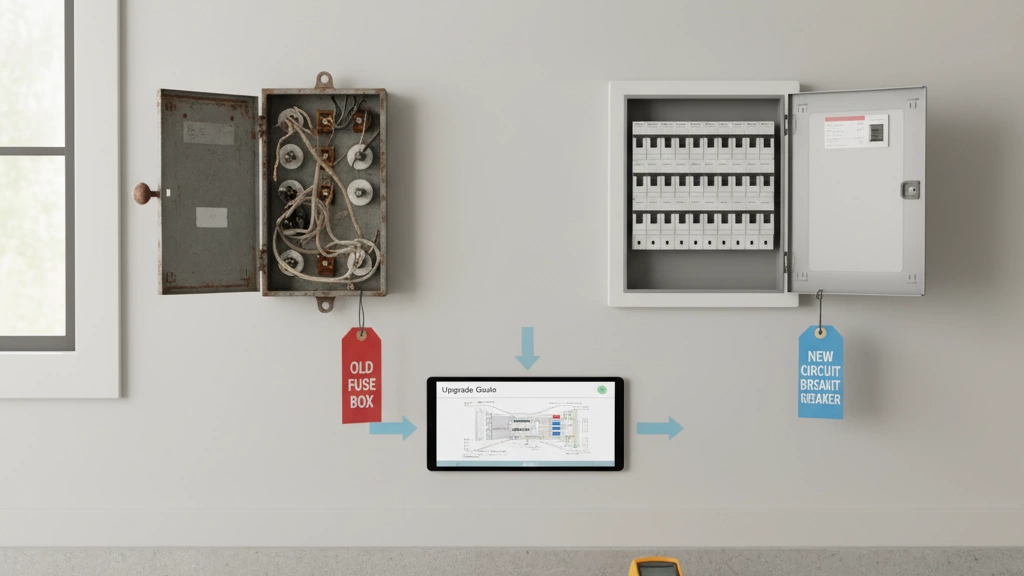
Fuse Box Upgrade to Breaker Panel: What Actually Changes
When you upgrade from a fuse box to a breaker panel, here’s what really changes for you:
Fuses become resettable breakers – no more hunting for fuse wire or spare cartridges.
Add-ons like MCB, RCCB, RCBO, AFCI, GFCI become possible in the same panel.
Labelling and layout improve: you can actually read which breaker feeds what.
Main disconnect and surge protection can be added easily.
You get a modern metal enclosure with better fault containment and clear door labelling.
In short: same job (overload and short‑circuit protection), but safer, easier to use, and ready for new loads.
High‑Demand Loads: EV, Solar, HVAC and Panel Choice
If you’re adding any of these, a breaker panel is almost a must:
EV charger (even a 32–40A home charger stresses old fuse boards).
Heat pumps or large HVAC systems.
Electric water heaters, electric ranges, or underfloor heating.
Solar PV systems, battery storage, or backup generators that need dedicated breakers and disconnects.
These upgrades need more breaker spaces, higher main capacity, and specific protection rules. A modern breaker panel makes that straightforward; an old fuse box usually can’t handle it safely or economically.
Insurance, Code, and Safety Expectations in 2025
In many regions, insurers and codes don’t outright “ban” fuses, but expectations are higher now:
New builds and major renovations typically require breaker panels with RCD/RCCB or GFCI/AFCI protection.
Some insurers charge more or require an inspection if you still have a legacy fuse box.
Adding EV, solar, or a major load almost always triggers code‑level upgrades to the panel and grounding.
If you’re planning any serious electrical work, expect your electrician to recommend a move to a modern breaker panel and possibly a higher‑rated main service.
Average Cost to Convert Fuse Box to Breaker Panel
Costs vary a lot by country, labor rates, and how messy the existing wiring is, but ballparks for a typical home:
Basic like‑for‑like change (no service upgrade): Roughly $800–$1,500 USD equivalent.
Panel + capacity upgrade + new grounding/bonding: Commonly $1,500–$3,000+.
Complex cases (very old house, rewiring, EV prep, solar prep): Can reach $3,000–$5,000+ depending on scope.
If you’re unsure, get 2–3 quotes with a clear scope: panel size (number of ways), main breaker rating, type of protection (MCB, RCCB/RCBO, AFCI/GFCI), and any extra work on grounding or service lines.
Signs Your Fuse or Circuit Breaker Is Failing
When fuses or circuit breakers start to fail, they usually give you clear warning signs. Ignoring these can lead to shock risk, damaged appliances, or even an electrical fire. Here’s what I always tell homeowners and small businesses to watch for.
Blown Fuse Symptoms You Should Never Ignore
If your home still uses electrical fuses, pay attention to:
Fuse wire visibly melted or broken (rewirable fuse)
Black or cloudy glass on a glass tube fuse
Frequent fuse blowing on the same circuit (lights or sockets keep going out)
Fuse feels hot or shows burn marks around the holder
Appliances on that circuit stop working even after replacing the fuse
If you’re constantly replacing the same 5A, 13A, 15A, or 30A fuse, there’s usually an overload or wiring fault, not “bad luck”.
Circuit Breaker Tripping Causes
Circuit breakers trip for a reason. Common causes include:
Overload – too many devices on one circuit (heaters, kettles, hair dryers, EV charger, etc.)
Short circuit – live wire touching neutral or earth, often causing a loud click and instant trip
Ground fault (earth leakage) – RCCB, RCBO, GFCI type breakers trip when current leaks to earth
Arc fault – AFCI breakers trip on sparking in damaged cables or loose connections
Aging or weak breaker – trips with light loads or randomly
If a breaker keeps tripping as soon as you reset it, don’t keep forcing it on. There’s a fault that needs fixing, not more resets.
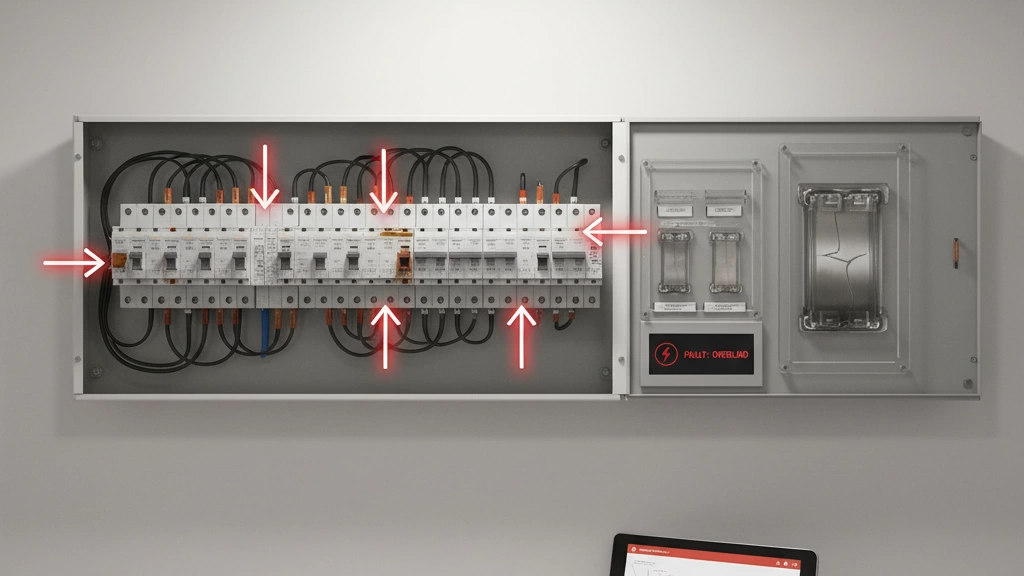
Visible Warning Signs on Fuses and Breakers
Never ignore what you can see:
Burn marks or dark discoloration on breakers, fuses, or the panel cover
Melted or deformed plastic around a fuse holder or breaker body
Corroded, rusty, or loose-looking screws and terminals
Cracked breaker casing or damaged fuse carriers
Brown or yellow staining on the panel from heat
Any of these means the device has been overheating or arcing. That’s a fire risk and needs urgent attention.
Audible Signs: Buzzing, Humming, Crackling
Your electrical panel should be basically silent. Call an electrician if you notice:
Continuous buzzing or humming from a breaker or fuse
Crackling, sizzling, or popping sounds when loads turn on
Noise that changes when you wiggle the panel door (indicates loose parts inside)
These sounds usually come from loose connections, arcing, or overloaded gear. Switch off what you can and get it checked fast.
Overheating Breakers or Fuses
Heat is a big red flag:
Breaker or fuse too hot to keep your finger on for more than a second or two
Panel door or cover feels warm or hot around one area
A burning smell or “hot plastic” smell near the panel
A little warmth is normal under load; hot to the touch is not. Turn off the affected breaker or the main switch and get help.
Loose Connections, Flickering Lights, and Other Issues
Some panel problems show up around the house:
Flickering or dimming lights when big appliances start
Outlets that work intermittently
Plugs or switches feel warm
Random resets of electronics or frequent bulb failures
These often point to loose terminals, overloaded circuits, or bad wiring, not just a bad lamp or device.
When Frequent Trips or Blown Fuses Mean a Bigger Problem
Repeated trips or blown fuses often mean:
Circuit is under‑sized for new loads (e.g., HVAC, EV charger, large oven)
Old wiring insulation is breaking down
Shared circuits are overloaded (too many rooms on one breaker)
There’s a hidden fault in a socket, junction box, or appliance
If you’re resetting the same breaker or changing the same fuse more than a couple of times a month, it’s time to stop resetting and start investigating.
When to Call a Licensed Electrician Immediately
Don’t delay professional help if you notice:
Burning smell from the fuse box or breaker panel
Visible smoke, sparks, or melted plastic
Breaker or fuse stays hot even with moderate load
Main breaker trips or whole‑house power goes off repeatedly
Shocks or tingles when touching metal appliances or taps
You see burn marks on outlets or switches
At that point, turn off the main power if it’s safe and call a licensed electrician right away. If you’re considering broader improvements or new protection devices, it’s worth looking at modern low-voltage switchgear and panel components like those discussed in this low-voltage switchgear analysis to understand what safer, newer options look like.
If you want ongoing safety tips and updates on modern protection devices like MCBs, RCCBs, and smart breakers, I also share practical guides on the main electrical safety and switchgear blog.
Can You Replace a Fuse with a Circuit Breaker Yourself?
Replacing a fuse with a circuit breaker isn’t just swapping one part for another. You’re changing how the circuit is protected, and that touches wiring, grounding, and sometimes the whole panel. Let’s keep this simple and real.
What It Really Means to Replace a Fuse with a Circuit Breaker
When you “replace a fuse with a circuit breaker,” you’re usually doing one of three things:
Swapping a plug-in fuse for a plug-in MCB in an old fuse board (like-for-like footprint).
Retro‑fitting mini DIN‑rail breakers into an existing enclosure.
Upgrading from a fuse box to a full breaker panel, with new busbars, neutral/earth bars, and labeling.
In every case, the breaker rating must match the cable and load, not just the old fuse size. A 30A fuse does not automatically mean a 30A breaker is safe.
Legal and Safety Rules Around DIY Electrical Work
Rules change by country and even city, but in most regions:
You’re not allowed to DIY work on the main panel or service conductors.
You must follow local electrical code and may need inspection/approval.
Insurance can refuse a claim if a fire is traced to unlicensed panel work.
If you’re unsure what’s allowed, assume panel work = electrician only. DIY is usually OK for things like replacing a light fitting or outlet, not reworking protection devices.
Mini DIN‑Rail Breaker Retrofit Options
For some older boards, there are mini DIN‑rail breaker kits or adaptors that let you:
Mount MCBs (miniature circuit breakers) in place of rewirable or cartridge fuses.
Keep the existing enclosure but upgrade the protection devices.
Add better labeling and sometimes extra protective devices (RCD/RCCB/RCBO).
These retrofit solutions are great where you want improved safety without a full panel replacement, especially in small shops and compact installations. For more technical detail on low‑voltage protection gear, you can check resources like this overview of low-voltage switchgear and key applications.
When a Plug‑In MCB Swap Is Realistic for a Competent DIYer
In some markets, there are plug‑in MCBs designed to drop straight into a fuse holder. This might be DIY‑friendly if:
Power is fully isolated at the main switch.
You’re only replacing like-for-like (same rating, same circuit).
The board is otherwise in good shape (no burns, no loose parts, no cracks).
Your local regulations allow this level of DIY work.
Even then, you need to:
Confirm cable size vs breaker rating.
Check that earth/ground is in place and tight.
Test the circuit after (at least a plug‑in tester on outlets).
If you’re not 100% sure, stop and get an electrician.
When a Full Panel Upgrade Needs a Pro
You need a licensed electrician when:
The house still has a very old fuse box (porcelain fuses, cloth wiring, no main breaker).
You’re adding high‑demand loads like EV chargers, heat pumps, or large HVAC.
You need AFCI/GFCI/RCBO breakers to meet modern code.
The service size is changing (e.g., 60A to 100A/200A).
There are signs of damage: burn marks, melted parts, brittle insulation.
A panel upgrade usually involves:
New breaker panel/load center.
New main breaker, neutral/earth bars, busbars.
Re‑terminating all circuits and labeling them properly.
Testing fault currents, insulation resistance, and earth continuity.
This is not DIY territory.
Risks of Mixing DIY Panel Work with Old Wiring
Old wiring plus DIY protection changes is where things go wrong:
Oversized breakers on old cables = fire risk.
Poor or missing grounding/earthing = shock risk, especially with metal appliances.
Mixing old fuse carriers and new breakers without understanding fault levels can make protection unreliable.
If your wiring is decades old, any change to fuses/breakers should trigger a professional safety check.
How to Talk to an Electrician About Upgrading Your Fuse System
When you call an electrician, be direct and specific. Tell them:
“The house still has a fuse box, and I’m thinking about converting to circuit breakers.”
What you’ve noticed: frequent blown fuses, hot panel, burning smell, flickering lights.
Any planned upgrades: EV charger, solar, new HVAC, induction cooktop, etc.
That you want:
Proper AFCI/GFCI/RCCB/RCBO protection where required by current code.
A panel sized for future loads.
Ask for:
A written quote with: panel size, breaker types, and if any wiring upgrades are needed.
Confirmation that the work will be permitted and inspected.
Basic guidance on ongoing safety checks.
If you’re planning a broader low‑voltage protection strategy for a building or small facility, it can also help to speak with specialists who design and supply complete protection solutions; companies like CNSovio focus on integrated low-voltage systems and can help match the right hardware to your application.
Bottom line: Swapping a fuse for a circuit breaker isn’t a casual DIY job. Simple, plug‑in swaps may be okay in some regions for competent people, but anything involving the panel, main breaker, or old wiring belongs in the hands of a licensed electrician if you want real safety and valid insurance.
Latest Circuit Breaker and Fuse Trends in 2025
Smart circuit breakers and Wi‑Fi energy monitoring
In 2025, smart circuit breakers are becoming standard in new homes and upgrades, not just a luxury.
Here’s what I’m seeing customers actually use and value:
Wi‑Fi monitoring: Track real‑time power use per circuit (AC, EV charger, kitchen, office) from your phone.
Remote control: Turn circuits on/off in the app – handy if you rent out a place or travel a lot.
Alerts: Get push notifications for overloads, nuisance tripping, or abnormal usage.
Energy reports: See which circuits are driving your bill, then cut waste quickly.
If you’re adding EV charging, home office gear, solar, or heat pumps, smart breakers make it easier to stay within your limits and avoid surprise trips.
AFCI vs standard breaker (why arc‑fault protection matters)
A standard MCB (Miniature Circuit Breaker) trips on overloads and short circuits. An AFCI breaker (Arc‑Fault Circuit Interrupter) goes a step further: it looks for dangerous arcing, which is one of the most common causes of house fires.
In real homes, arcs often come from:
Loose outlets or switches
Damaged cords under furniture or carpets
Old, cracked insulation on wires
Poor DIY connections in junction boxes
AFCI vs standard breaker – quick view:
Feature
Standard MCB
AFCI Breaker
Overload protection
✔ Yes
✔ Yes
Short circuit protection
✔ Yes
✔ Yes
Arc‑fault fire protection
✖ No
✔ Yes (series & parallel arcs)
Typical locations (2025)
General older installations
Bedrooms, living areas, many new circuits
If you’re updating a panel in 2025, I strongly recommend AFCI protection at least for bedrooms, kids’ rooms, and living spaces.
GFCI and AFCI combo breakers in new code requirements
Modern electrical codes worldwide are moving toward combined protection:
GFCI (Ground‑Fault Circuit Interrupter) protects people from electric shock, especially in wet areas.
AFCI protects from fire caused by arcing.
Combo GFCI/AFCI breakers (sometimes called dual‑function breakers) are now common for:
Kitchens
Bathrooms
Laundry rooms
Garages and outdoor circuits
Basements and utility rooms
Benefits of combo breakers:
One device in the panel covers shock + fire risk.
Cleaner wiring vs stacking devices.
Easier to test and reset at the panel.
If you’re renovating, ask your electrician directly: “Can we use dual‑function GFCI/AFCI breakers where code allows?”
Emerging tech in residential breaker panels and load centers
Breaker panels in 2025 are more like smart hubs than just metal boxes:
App‑controlled load shedding: Automatically drops non‑critical loads (like EV charging) if you’re about to overload the main breaker.
Solar and battery integration: Smart panels that coordinate with PV inverters and home batteries for better backup and peak‑shaving.
Per‑circuit load control: Time‑of‑use scheduling for big loads to avoid high tariffs.
Modular DIN‑rail systems: Easier to mix traditional MCB, RCCB, RCBO, AFCI, and smart modules in one load center.
If you’re planning long‑term (EV, solar, heat pump, or more AC units), it’s worth choosing a “future‑ready” panel now instead of ripping it out again in 5 years.
How modern protection devices reduce fire and shock risk
Modern electrical fuses and circuit breakers work together with RCD/RCCB, RCBO, GFCI, and AFCI devices to cut risk dramatically:
Faster trip times on short circuits and ground faults.
Arc detection to catch dangerous faults that old breakers and fuses miss.
Targeted shutdown: Only the affected circuit goes off, keeping the rest of the home running.
Early warnings: Smart systems can show high temperatures, repeated small trips, and overloaded circuits before something fails.
For families, landlords, and small businesses, this means fewer:
Panel fires
Electric shocks
Hidden wiring issues that sit for years unnoticed
Where fuses still show up in 2025
Even though breaker panels dominate homes, fuses are still very much alive in 2025 – just in more specific spots:
Appliances: Ovens, microwaves, washing machines, and some imported electronics still use glass tube fuses and ceramic fuses internally.
Power supplies and electronics: TVs, audio gear, chargers, and adapters use cartridge fuses to protect delicate circuits.
Specialty circuits: Some HVAC units, industrial machines, and EV chargers use HRC (High Rupturing Capacity) cartridge fuses for high fault levels.
Plug fuses and device fuses: Many countries still use fused plugs (like 3‑pin 13A plugs) to protect flexible cords.
So while your main home protection should be modern circuit breakers (MCB, RCCB, RCBO, AFCI, GFCI), fuses are still doing quiet work inside the devices you use every day.
Frequently Asked Questions About Electrical Fuses and Circuit Breakers
Are circuit breakers safer than fuses in a typical home?
In most modern homes, yes, circuit breakers are safer than basic fuses.
Breakers offer more protection types (AFCI, GFCI, RCCB, RCBO) that help prevent electrical fires and electric shock.
They’re less likely to be misused (you can’t “oversize” a breaker as easily as someone can stick the wrong fuse wire in).
They’re easier to reset, so people don’t bypass safety just to “get the power back on.”
A correctly sized fuse can protect a circuit very well, but for everyday homeowners in 2025, a modern breaker panel is the safer, more realistic option.
Why did my breaker start tripping when the old fuses never blew?
This is very common when upgrading from a fuse box to a breaker panel.
Reasons your new breaker might trip more often:
Old fuses may have been oversized or replaced with the wrong rating, so they didn’t blow when they should have.
New breakers are more sensitive and accurate, especially AFCI and GFCI types.
The wiring may be aging, and the new breaker is revealing real problems: weak insulation, loose connections, overloads.
You’ve added high‑load devices (heaters, kettles, EV chargers, AC units) on circuits that are now correctly protected.
If a breaker trips more than once after you reset it, don’t keep forcing it on. That’s your safety device doing its job—get an electrician to find the cause.
How much does it cost to convert a fuse box to circuit breakers?
Costs vary by country and building type, but globally you’ll usually see something like:
Basic fuse box upgrade to breaker panel: Around US $800 – $2,500 equivalent, depending on:
Panel size (number of circuits)
Condition of existing wiring and grounding
Local labor rates and permit fees
Whether AFCI/GFCI/RCBO breakers are required
If the wiring is very old or unsafe, you might need extra work (rewiring sections, new main earth/ground, surge protection), which can push costs higher. Always get a written quote that clearly lists: panel brand, breaker types, and included safety upgrades.
Can you mix fuses and circuit breakers in the same electrical panel?
Normally, no—you don’t mix them in one panel. But you can have them in the same overall system:
Old homes often have a main fuse at the meter and breakers in the panel.
Some older boards accept plug‑in “MCB” style breakers next to cartridge fuses, but this needs to be done properly and within code.
What you shouldn’t do:
Don’t DIY mix random fuse holders, breakers, and adapters in one board.
Don’t bypass a fuse with wire or metal objects to “stop it blowing.”
If you’re thinking of mixing, treat it as a sign you’re due for a proper breaker panel upgrade.
What size breaker should replace a 30A fuse safely?
You do not choose breaker size by “matching the old fuse.” You choose it by:
The wire size (cable cross‑section)
The circuit type and load (sockets, water heater, EV charger, etc.)
Local electrical code requirements
In many regions:
A 30A fuse circuit may translate to a 25A or 32A breaker, but only if the cable and installation method support it.
The safe move: Have an electrician confirm the cable rating before replacing a 30A fuse with any breaker. Oversizing a breaker on undersized wiring is a very real fire risk.
Do new homes still use fuses anywhere in the system?
Yes, but not usually as the main protection in the panel.
Typical fuse use in new homes in 2025:
Inside appliances (microwaves, TVs, chargers, washing machines) – usually glass tube or cartridge fuses.
In some plug tops (especially in the UK and similar markets) – 3A, 5A, 13A fuses in BS1363 plugs.
In specialty circuits – surge protection devices, some solar or battery systems still rely on high‑rupturing capacity fuses (HRC).
Your main home distribution is almost always MCBs, RCCBs, RCBOs, AFCI/GFCI breakers now.
How often should I check or test my breakers and fuses?
Simple routine is enough for most homes:
Visual panel check: every 6–12 months
Look for burn marks, discoloration, melted plastic
Check for rust, damp, or corrosion around the panel
Test buttons on RCCB / RCBO / GFCI / RCD breakers:
Press “TEST” once every 3–6 months (follow local code or manufacturer’s advice).
Plug fuses: check when something stops working or after any smell/burn mark on the plug.
If anything looks or smells wrong, stop using that circuit and call an electrician.
What should I do if a breaker keeps tripping for no obvious reason?
Don’t ignore it and don’t keep flipping it back on blindly. Do this:
Unplug everything on that circuit.
Reset the breaker:
If it stays on, plug devices back one‑by‑one.
If it trips when a certain appliance is used, that appliance is likely faulty.
If it trips even with everything unplugged:
You may have a wiring fault, moisture, loose connection, or damaged cable in the wall or ceiling.
Call a licensed electrician immediately if:
The breaker trips daily or multiple times in a row
You notice burning smell, buzzing, crackling, or heat at the panel
Lights on that circuit flicker or dim when the breaker is reset
Frequent trips or blown fuses are not just an annoyance—they’re a warning sign that your electrical system needs attention.
What Is A Fuse Electrical Panel? A fuse electrical panel is the “control center” of your home’s power, but with old‑school protection instead of modern breakers. It takes electricity from the utility line, distributes it to each circuit in your house, and uses fuses to cut power if something goes wrong. Simple definition In plain […]
If you’ve ever wondered what keeps the power flowing safely and efficiently in factories or commercial buildings, low voltage switchgear is usually the unsung hero behind the scenes. Simply put, these are vital electrical distribution devices designed to control, protect, and isolate electrical equipment at low voltages, typically under 1,000 volts. Choosing the right low voltage switchgear […]
We use cookies to enhance your browsing experience, serve personalised ads or content, and analyse our traffic. By clicking "Accept All", you consent to our use of cookies.