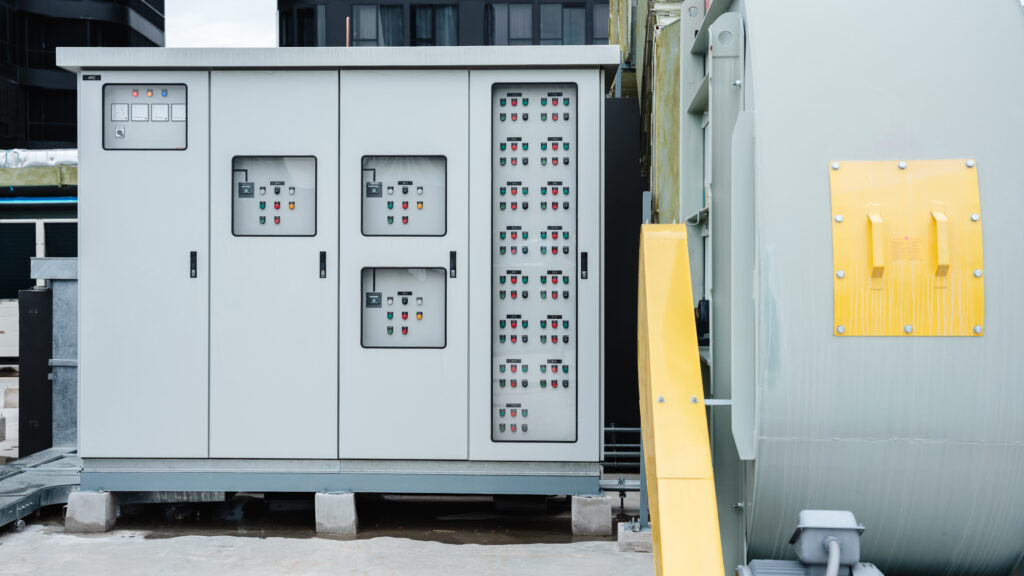
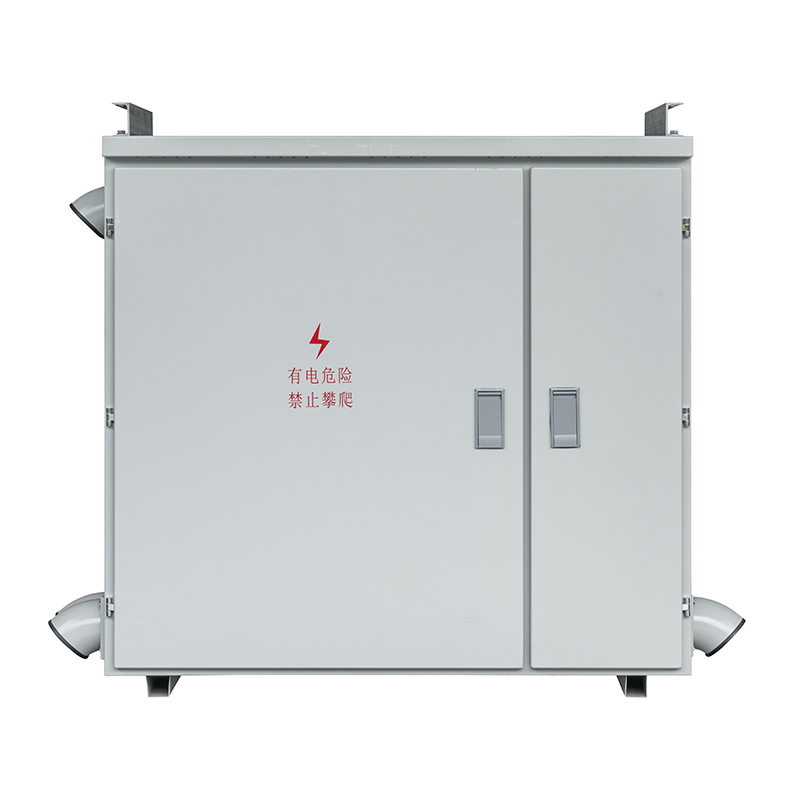
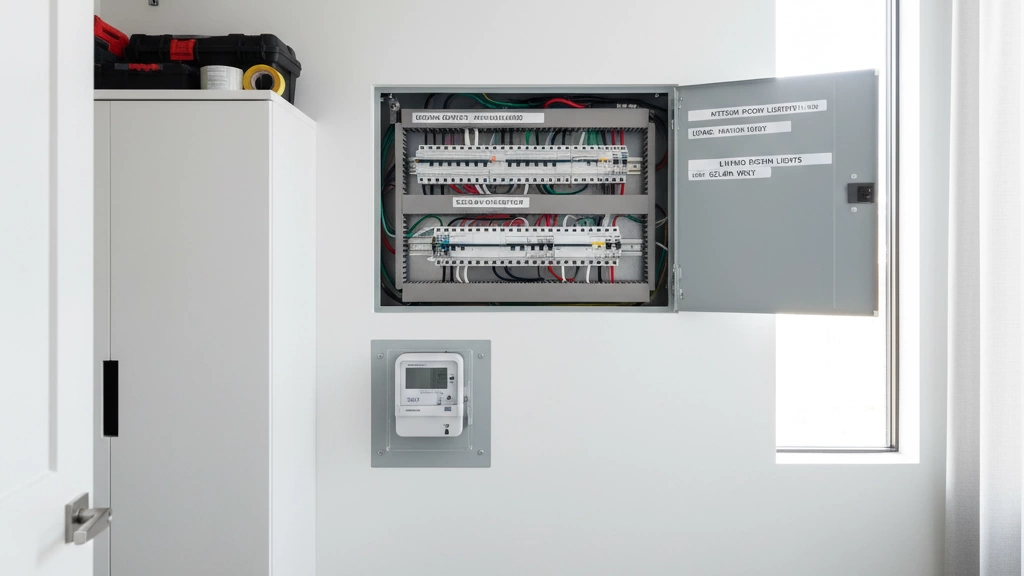
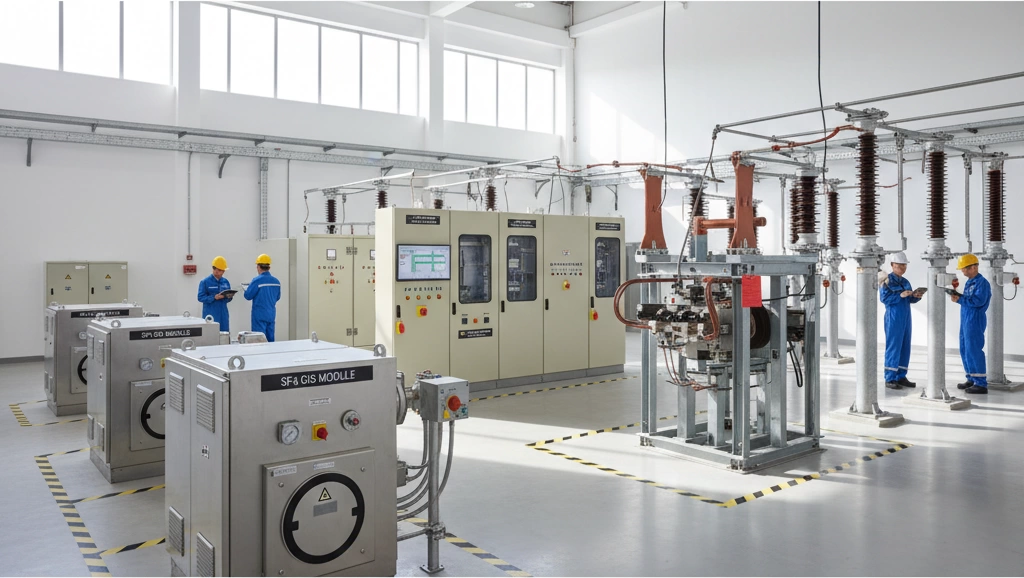
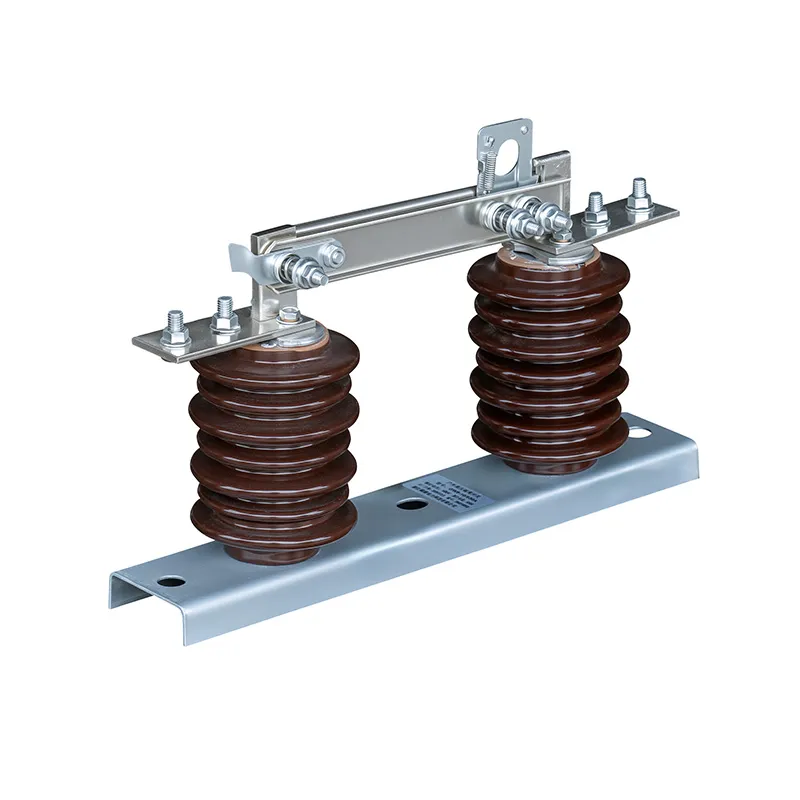
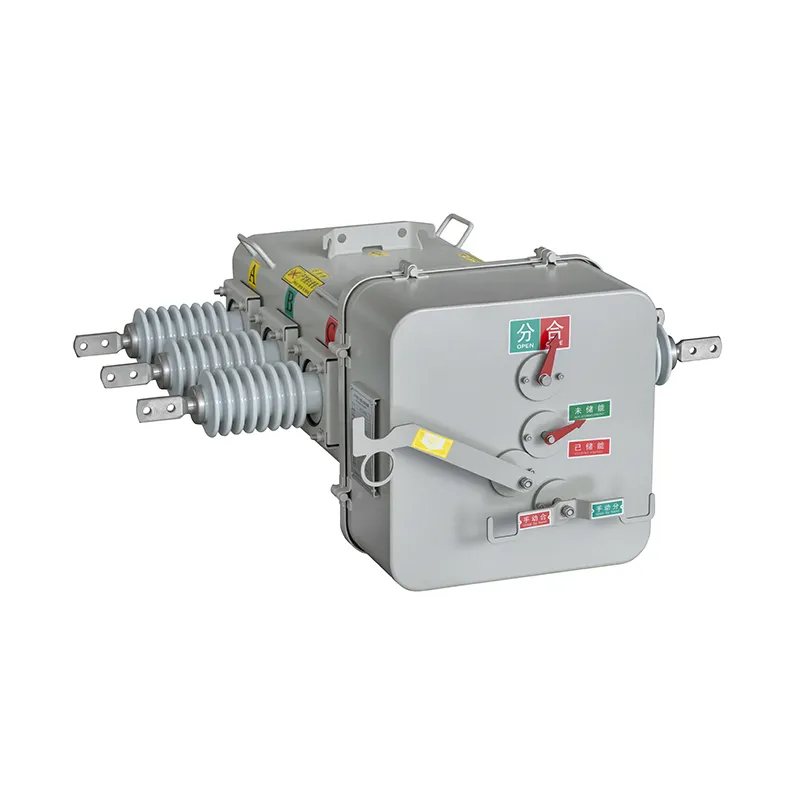
If you’ve ever wondered what keeps the power flowing safely and efficiently in factories or commercial buildings, low voltage switchgear is usually the unsung hero behind the scenes. Simply put, these are vital electrical distribution devices designed to control, protect, and isolate electrical equipment at low voltages, typically under 1,000 volts.
Choosing the right low voltage switchgear can be the difference between smooth industrial operations and costly downtime. But with so many options available, how do you pick the best switchgear for your needs? In this article, we’ll walk you through everything from the basics and components to applications, technical specifications, latest trends, and even common questions — all aimed at helping you make an informed decision.
What is Low Voltage Switchgear?
Low voltage switchgear is an essential electrical device designed to safely distribute and control electrical power at voltages typically below 1,000 volts. Simply put, it acts like the control center of your electrical system, helping to manage power flow, protect circuits from faults, and isolate equipment for maintenance without interrupting the entire system.
Here’s why low voltage switchgear matters:
Power Control: It directs electricity to different parts of a building or industrial plant.
Protection: It safeguards equipment and personnel by automatically cutting off power during overloads or short circuits.
Safety Isolation: Allows sections of the power system to be safely disconnected for repairs without shutting down the entire operation.
Unlike high voltage switchgear, which operates at voltages above 1,000 volts and often serves power transmission networks, low voltage switchgear is mainly used in industrial, commercial, and residential power distribution. This makes it crucial for factories, office buildings, and infrastructure projects where electrical loads need precise control and protection.
In short, if you rely on complex electrical systems to keep your operations running smoothly, low voltage switchgear is the quiet hero ensuring it all happens safely and efficiently.
Basic Components and Working Principles of Low Voltage Switchgear
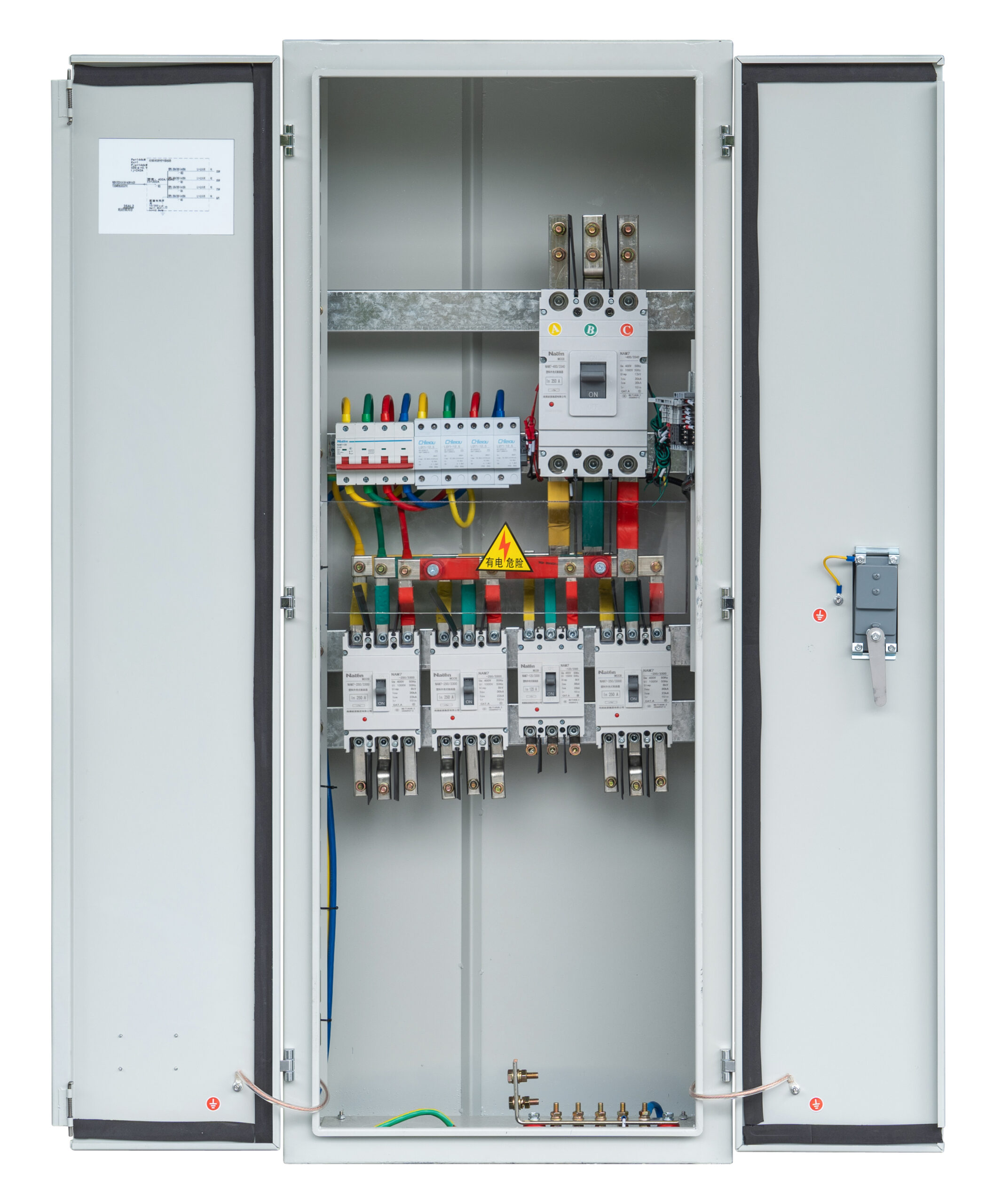
When delving into the world of low voltage switchgear, it helps to understand what exactly goes inside these units. Below is a breakdown of the key components and their functions.
Component
Description
Purpose
Circuit Breaker
Automatically interrupts power flow during faults
Protects equipment and personnel
Contactor
An electrically controlled switch for switching circuits on or off
Controls electric motors and lighting
Relays
Automatically opens or closes contacts in response to changes
Provides automation and protection
Busbars
Conductive bars distributing electrical power within the panel
Transfers electricity efficiently
Protection Devices
Includes fuses, overload relays, and surge protectors
Ensures equipment safety
How Does Low Voltage Switchgear Work?
Low voltage switchgear operates by distributing electrical power across circuits while providing real-time control and safety disconnection during faults. For example, when an overload or short circuit occurs, the circuit breaker “trips,” cutting power to prevent damage. Meanwhile, contactors and relays automate switching and provide system intelligence.
Different types of low voltage switchgear panels exist, such as:
Fixed Type: Non-movable and compact, ideal for smaller setups
Withdrawable (Draw-out) Type: Components can be removed for easier maintenance
Modular Type: Designed for flexible configurations and expansions
If you want a switchgear solution that perfectly fits your factory layout or distribution needs, customizing the panel type can be a game-changer. Feel free to reach out to discuss your specific requirements!
Technical Specifications and Industry Standards of Low Voltage Switchgear
Choosing low voltage switchgear isn’t just about picking any device off the shelf. Technical details matter—a lot.
Specification
Description
Typical Range/Standard
Rated Voltage
Maximum voltage the switchgear handles
Up to 1,000 V AC or DC
Rated Current
Maximum continuous current the device can carry
630A, 1250A, 2000A and above
Short Circuit Breaking Capacity
Maximum fault current the breaker withstands
Generally from 25kA to 100kA
Insulation Level
Dielectric withstand voltage
Around 3kV to 6kV
Compliance Standards
International and national safety standards
IEC 61439, GB/T 7251, ANSI
Why Standards Matter?
Standard compliance ensures safety, reliability, and compatibility. For example, IEC 61439 is an international standard defining switchgear design and testing.
Understanding these specs is crucial — low voltage switchgear that doesn’t meet your system’s rated operational currents or fault handling can result in failures or unsafe conditions.
Applications of Low Voltage Switchgear Across Industries
The versatility of low voltage switchgear means you’ll find it in many industries. Here’s how it’s used across different sectors:
Industry
Application Scenario
Why Low Voltage Switchgear?
Manufacturing Plants
Powering motors, conveyor belts, robotic arms
Reliable control for heavy machinery
Commercial Buildings
Lighting distribution, HVAC system control
Ensures safety and efficient power use
Public Infrastructure
Power distribution in airports, tunnels, stadiums
Handles high load with safety features
Renewable Energy
Solar power systems, battery storage
Integrates with smart grid solutions
EV Charging Stations
Power management and safety control
Manages high power flows safely
Deeper Dive: In manufacturing, where equipment downtime can mean lost revenues, low voltage switchgear offers protection and automation that keeps things running smoothly.
Does your facility need a customized Low Voltage Switchgear set-up suited for your particular load and control needs?
Internet of Things (IoT): Enables connectivity between switchgear and central control systems.
Modular Designs: Allow quick reconfiguration and expansions with minimal downtime.
Eco-friendly Materials: Reducing environmental impact and improving efficiency.
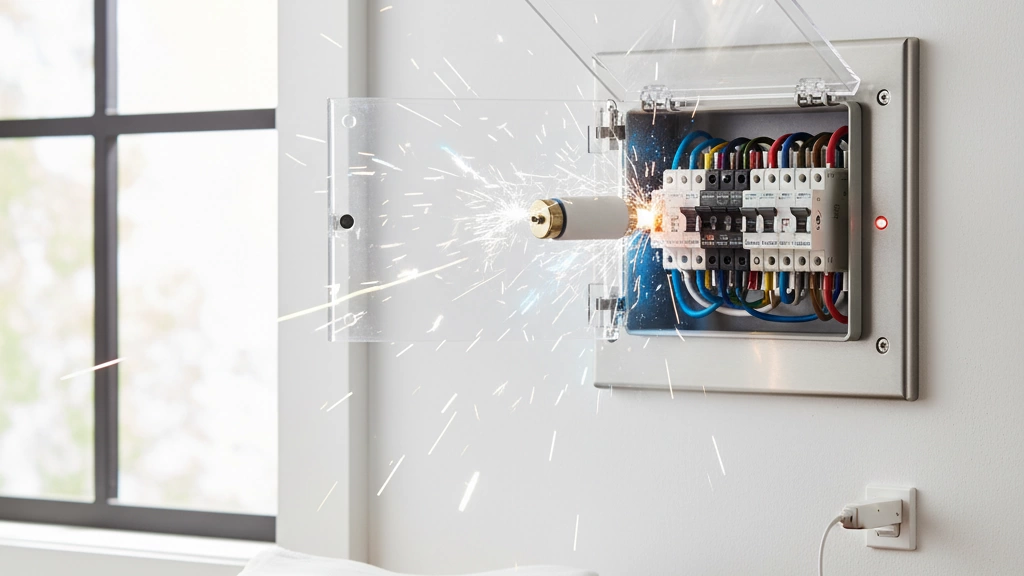
Arc Flash Mitigation Technology: Advanced designs minimize risks to personnel and equipment.
These innovations not only improve safety but also reduce operational costs. Imagine being able to predict failures before they happen — it’s a game changer!
Ensuring Long-Term Safety and Reliability of Low Voltage Switchgear
Proper maintenance and monitoring are vital for switchgear longevity and safety:
Maintenance Best Practices
Schedule regular inspections — at least once a year
Check for dust, corrosion, and loose connections
Test the operation of breakers and protection devices
Lubricate moving parts and verify insulation integrity
Monitoring & Diagnostics
Use thermal imaging to spot hotspots
Leverage smart diagnostics when available to track wear and faults early
Maintenance Task
Frequency
Benefit
Visual Inspection
Monthly
Early detection of physical damage
Electrical Testing
Annually
Verifies protection devices
Cleaning
Semi-annually
Prevents dust-related faults
Software Updates
As needed
Keeps smart controls optimized
Investing in quality switchgear is wise, but maintaining it properly maximizes ROI and safety.
Low voltage switchgear is a cornerstone of safe and efficient electrical power distribution in today’s industrial and commercial environments. From ensuring protection against faults to enabling advanced control through smart technology, the right switchgear can significantly enhance your operational reliability.
By understanding the components, technical specs, applications, and maintenance requirements, you’re already a step ahead in making an informed choice. Whether you run a manufacturing plant, commercial complex, or infrastructure project, investing in high-quality, customized low voltage switchgear solutions tailored to your needs is the way forward.
If you’re ready to boost your power distribution system’s safety, reliability, and intelligence, why wait? Contact us now for a personalized consultation and quotation. Together, let’s power your business with confidence!
FAQ
Q1: What exactly is low voltage switchgear?
It’s a set of electrical devices designed to control, protect, and isolate low voltage circuits up to 1,000 volts. Think of it as the central nervous system ensuring safe power distribution.
Q2: How does low voltage switchgear differ from high voltage switchgear?
Low voltage switchgear works at voltages up to 1,000 volts and mainly caters to commercial and industrial buildings. High voltage switchgear handles voltages above that, typically used in power transmission.
Q3: What’s a typical installation time?
Depending on project size, simple panels can be installed in days; larger modular systems may take weeks including configuration and testing.
Q4: How often should maintenance be done?
Routine inspection monthly and comprehensive testing yearly is recommended to prevent unexpected failures.
Q5: How to choose the right low voltage switchgear?
Assess load requirements, safety needs, expansion plans, and if automation is needed. Custom solutions are often beneficial.
Q6: Are smart low voltage switchgears worth the investment?
Absolutely! They offer real-time monitoring and predictive maintenance which reduce downtime and improve safety.
Q7: What info is needed for a custom switchgear order?
Load specs, dimensions, control requirements, safety standards, and site conditions.
Q8: What certifications should be checked?
Look for compliance with IEC 61439, local safety standards, and manufacturer guarantees.
Electric Fuse Tripping Basics When your electric fuse keeps tripping or a circuit breaker keeps tripping, it feels like your home is failing you. In reality, your electrical system is doing exactly what it was designed to do: protect you, your family, and your home from fire, shock, and electrical damage. Let me walk you through what’s really happening […]
What Is A Fuse Electrical Panel? A fuse electrical panel is the “control center” of your home’s power, but with old‑school protection instead of modern breakers. It takes electricity from the utility line, distributes it to each circuit in your house, and uses fuses to cut power if something goes wrong. Simple definition In plain […]
Switchgear is a crucial part of electrical power systems, and understanding the differences between high voltage (HV), medium voltage (MV), and low voltage (LV) switchgear helps in selecting the right equipment for your project. Here’s a clear breakdown: Feature Low Voltage (LV) Medium Voltage (MV) High Voltage (HV) Voltage Range Up to 1 kV 1 kV – 36 kV […]
We use cookies to enhance your browsing experience, serve personalised ads or content, and analyse our traffic. By clicking "Accept All", you consent to our use of cookies.