Understanding Electrical Fuses at Lowe’s
If you’re standing in the Lowe’s electrical department staring at a wall of electrical fuses, you’re not alone. Most of us only think about fuses when something suddenly goes dark, the garage door stops, or a tool dies in the middle of a job. Let’s strip this down to what actually matters so you can walk into Lowe’s and grab the right fuse with confidence.
What an Electrical Fuse Actually Does
An electrical fuse is a tiny, cheap safety device that’s designed to sacrifice itself before your wiring or appliances burn up.
In plain language:
- Power flows through a thin metal strip inside the fuse
- If too much current (amps) flows, that strip melts and opens the circuit
- The circuit shuts off and helps prevent overheating, melted wires, and fires
If a fuse is blown, it means it did its job. Your goal at Lowe’s is to replace it with the same type and rating, not “upgrade” it.
Action step: Before you head to Lowe’s, pull the old fuse (if safe), and check the amp rating and type printed on it.
Fuse vs Circuit Breaker in Simple Terms
Think of fuses and circuit breakers as two kinds of “electrical bodyguards”:
- Fuse
- One-time use
- Contains a strip that burns out once
- You replace it with a new one from Lowe’s
- Circuit breaker
- Resettable switch
- Trips when overloaded
- You usually just flip it back on
Functionally, both protect wires from overheating. The big difference is convenience and age of the system. Many older homes and outbuildings still rely on fuse boxes, so home fuse replacement at Lowe’s is still a big deal.
Action step: If you have a panel with screw-in “plug fuses” instead of flip switches, you’re shopping for fuses, not breakers.
Why Fuses Still Show Up in Older Homes, Garages, and Workshops
You’ll still see plug fuses and cartridge fuses in:
- Older homes that never got upgraded to breaker panels
- Detached garages and sheds with older service
- Workshops with older equipment and motor circuits
- Certain appliances and tools that use glass fuses or ceramic fuses
Reasons they’re still around:
- They were code-compliant when installed
- They’re **simple and reliable
Fuse Types Sold at Lowe’s
When you’re hunting for electrical fuses at Lowe’s, you’ll run into a few main categories. Knowing which bucket your fuse falls into makes the trip a lot faster.
Main Electrical Fuse Categories at Lowe’s
Most Lowe’s electrical fuses on the shelf fall into these groups:
- Plug fuses – screw-in style for older fuse panels
- Cartridge fuses – cylinder style for panels, AC units, and appliances
- Glass and ceramic fuses – small fuses for appliances, electronics, and vehicles
- Resettable / mini-breaker style fuses – push-to-reset instead of replace
- Smart / breaker-style options – for panels tied into home automation
If you want a quick technical overview before you shop, this guide to the main types of electrical fuses breaks down how each style actually works.
Plug Fuses at Lowe’s (Edison, Type-S, Type-T)
You’ll see plug fuses at Lowe’s in the electrical department, usually labeled by amp rating:
Edison-base plug fuses
- Screw in like a light bulb
- Common ratings: 15 amp, 20 amp, 30 amp fuse Lowe’s
- Used in older home fuse boxes
Type-S fuses Lowe’s
- Screw into an adapter ring
- Prevents oversizing (you can’t put a higher amp fuse in the wrong socket)
- Safer choice if you’ve got an older panel
Type-T fuses Lowe’s
- Time-delay style plug fuses
- Better for motors and circuits with brief startup surges (fridges, pumps)
If your old fuse screws in, look at:
- Base style (plain Edison vs Type-S insert)
- Amp rating stamped on the top (15A, 20A, 30A)
Cartridge Fuses at Lowe’s (Panel + Appliance)
Cartridge fuses Lowe’s are the cylinder-shaped ones used in:
- Main disconnects and small subpanels
- Water heaters, AC condensers, and some heavy appliances
- Common sizes: 30 amp, 60 amp cartridge fuse Lowe’s, and higher
You’ll see:
- Ferrule-style (smaller ends) for appliances
- Knife-blade style (large blades) for bigger disconnects
Match:
- Length and diameter
- Amp rating (30A, 60A, etc.)
- Voltage rating (120V, 240V, 600V)
Glass and Ceramic Fuses at Lowe’s (AGC, GMA, SFE)
Glass fuses Lowe’s and ceramic fuses Lowe’s are for appliances, vehicles, and electronics:
- Common series you’ll see:
- AGC – fast-acting glass, 1/4″ x 1-1/4″
- GMA – metric-sized glass fuses
- SFE – automotive-style glass fuses
- Found in:
- Microwaves, stereos, power strips
- Some car fuses Lowe’s and 12V accessories
Match:
- Physical size and length
- Amp rating on the metal cap
- Fast-acting vs time-delay
You’ll often find glass fuse assortment Lowe’s kits that cover multiple sizes if you’re not sure which one you’ll need next time.
Resettable Fuses and Mini-Breaker Options
If you don’t want to keep replacing fuses, look for:
- Resettable fuses Lowe’s / PTCs (usually in electronics accessories)
- Mini breaker Lowe’s options:
- Plug-in “breaker” style devices that replace a plug fuse in some panels
- Push-button or lever to reset after a trip
These can be handy in workshops or for gear that trips often but isn’t truly overloaded.
Smart and Home-Automation-Friendly Options
While traditional lowes electrical fuses aren’t “smart,” Lowe’s does carry:
- Smart breaker Lowe’s options (Square D, Eaton, etc.)
- App-connected, energy monitoring
- Tie into smart panels or home automation hubs
For many customers, moving from a fuse box toward a modern breaker or smart panel setup is the long-term play, especially if you’re already using smart thermostats, cameras, and plugs.
How to Match Your Old Fuse to the Right Type at Lowe’s
Here’s how I’d do it, step by step:
Pull the old fuse (or turn off power and remove it safely)
Check what it looks like:
- Screws in? → Plug fuse
- Long cylinder? → Cartridge fuse
- Small glass/ceramic tube? → Glass/ceramic fuse
Read the markings:
- Amp rating: 15 amp fuse Lowe’s, 20 amp fuse Lowe’s, 30 amp, etc.
- Voltage: 125V, 250V, 600V
- Type: AGC, GMA, SFE, Type-S, Type-T, “Time Delay,” “Fast Acting”
Take it with you or snap clear photos
- Front/top view of markings
- Side view for size
- A shot of the holder or panel
At Lowe’s, match on the shelf by:
- Fuse type category (plug, cartridge, glass/ceramic, resettable)
- Amp + voltage rating
- Time-delay vs fast-acting
- Same physical size and base style
If you’re stuck between two options, bring the old fuse to the Lowe’s electrical department fuses section and ask a staff member or the Pro desk to help you find a direct match before you buy.
Fuse Ratings You Need to Match Before You Buy at Lowe’s
When you’re grabbing electrical fuses at Lowe’s, the numbers on the body and the package are not optional details — they’re what keep your wiring, appliances, and family safe.
Amperage ratings at Lowe’s (15A, 20A, 30A, 60A, etc.)
Always match the amp rating on your old fuse:
- Common sizes you’ll see: 15 amp fuse Lowe’s, 20 amp fuse Lowe’s, 30 amp fuse Lowe’s, and 60 amp cartridge fuse Lowe’s.
- The amp rating must be the same as the blown fuse and as the circuit design.
- If the panel or electrical fuse box wiring was done correctly, that number is based on wire size and load – not guesswork. If you’re unsure, that’s a red flag; have a pro check it.
Voltage ratings (120V vs 240V)
Next, look at the voltage rating:
- Typical home circuits: 120V or 240V.
- Your replacement fuse’s voltage rating must be equal to or higher than your circuit voltage.
- Example: A 250V fuse can be used on a 120V circuit, but not the other way around.
Time‑delay vs fast‑acting fuses at Lowe’s
Lowe’s carries both time delay fuses and fast acting fuses:
- Time‑delay (slow‑blow): Handles short start‑up surges (motors, fridges, compressors, some power tools).
- Fast‑acting: Trips instantly on overload (lighting, electronics, sensitive gear).
- Match what you had before. If the old fuse is marked “TD,” “SLO‑BLO,” “Time Delay,” or “D” type, don’t swap it for a fast‑acting one unless an electrician says so.
Why you must never oversize a fuse
Do not move “up” in size to stop fuses from blowing:
- Oversizing a fuse lets too much current through, which overheats wires and can start a fire inside walls or in your fuse panel electrical setup.
- If a correctly sized fuse keeps blowing, the circuit is overloaded or faulty — fixing the wiring or load is the answer, not a bigger fuse.
How to read fuse labels and packaging on Lowe’s shelves
When you’re standing in the Lowe’s electrical fuses aisle, quickly match four things:
- Type: Plug fuse, cartridge, glass/ceramic, mini, etc.
- Amps (A): 15A, 20A, 30A, 60A – must match the old fuse.
- Volts (V): 125V, 250V, 600V – must be ≥ your circuit voltage.
- Action: “Time‑Delay,” “Dual‑Element,” “Fast‑Acting,” or similar.
Most fuses are stamped or printed right on the body, and the box repeats the same specs in large print. If the markings are worn off or you’re dealing with a more complex fuse panel electrical layout, take a clear close‑up photo or bring the old fuse in with you so you can match it exactly on the shelf.
Most Popular Electrical Fuses at Lowe’s in 2026
When people talk about “electrical fuses Lowe’s,” they’re usually hunting the same handful of best-sellers. Most home emergencies are solved with a short list of plug fuses, cartridge fuses, and small glass fuses that Lowe’s keeps heavily stocked in the main electrical aisle. If you’re unsure what your panel uses, my quick electrical box fuses overview will help you match the style before you drive over.
Best‑selling plug fuses at Lowe’s
In fuse‑style panels, plug fuses are still the #1 “grab it now” item in the Lowe’s electrical department fuses section.
Typical best‑sellers you’ll see:
- 15 amp and 20 amp Type S plug fuses (often time‑delay) for lighting and outlet circuits
- 15 amp and 20 amp Type T plug fuses for older Edison‑base fuse holders
- 30 amp plug fuses for heavy circuits like older window A/C or small sub‑feeds
- Eaton / Cooper Bussmann plug fuses (the most common lowes electrical fuses brands in this category)
If your holder only accepts Type S, don’t try to jam in a Type T; bring the old fuse or a clear photo so you can match base type exactly at plug fuses Lowe’s.
Top cartridge fuses homeowners grab at Lowe’s
For larger loads and many fuse boxes, cartridge fuses are the go‑to “I need power back now” fix. These are also common in disconnects and some outdoor equipment.
Top cartridge fuses Lowe’s typically sells fast:
- 30 amp and 60 amp cartridge fuses for main disconnects and small subpanels
- 40 amp and 50 amp cartridge fuses for A/C condensers and heat pumps
- Time‑delay cartridge fuses labeled “dual‑element” for motor loads (A/C, pumps, compressors)
- Eaton / Bussmann and GE cartridge fuses, plus panel‑compatible options that match Square D lowes hardware
If you’re matching a main or disconnect, compare what you see on the shelf with the label in your box or in a fuse electrical panel guide so you don’t mix up fast‑acting vs time‑delay.
Common glass and ceramic fuses for appliances and cars
Glass fuses and small ceramic fuses move quickly because they cover a huge mix of appliance fuses Lowe’s shoppers need, plus a good chunk of car fuses Lowe’s carries in the automotive aisle.
Most‑picked glass fuses Lowe’s sells:
- AGC and GMA glass fuses (commonly 1–15 amp) for electronics, small appliances, and older tools
- SFE automotive glass fuses in common ratings for older vehicles and accessory circuits
- Ceramic versions of the same values where higher interrupt rating or heat resistance is needed
- Littelfuse and Bussmann fuses Lowe’s stocks in blister packs and small assortments
If your device calls out “fast‑acting,” stay with that style; don’t swap in a time‑delay fuse just because it’s the only one on the hook.
Quick‑reference: sizes that fix 80% of emergencies
In real life, about 80% of home fuse emergencies can be handled with a tight short list of electrical fuses Lowes keeps on hand. If you want a simple “coverage kit,” focus on:
Home circuits (fuse box lowes):
- 15 amp Type S or Type T plug fuses (often time‑delay)
- 20 amp Type S or Type T plug fuses
- 30 amp plug fuses for heavier branch circuits
Panels and disconnects (lowes electrical panel fuses):
- 30 amp cartridge fuses (time‑delay)
- 60 amp cartridge fuse Lowes options for small mains or disconnects
Appliances and small gear (home fuse replacement lowes):
- AGC / GMA glass fuses in 3, 5, 10, and 15 amp values
- A small glass fuse assortment Lowe’s sells so you’re covered for “unknown” appliance ratings
Actual SKU numbers change by region and brand, so the fastest way to zero in is to search the Lowe’s app with terms like “15 amp fuse lowes,” “30 amp cartridge fuse lowes,” or “glass fuse assortment lowes” and match the amp rating, voltage, and speed printed on your blown fuse.
Brands of Electrical Fuses at Lowe’s
When you’re hunting for electrical fuses at Lowe’s, the brand really does matter. It affects reliability, lifespan, and how well that fuse protects your panel, appliances, or car.
Major electrical fuse brands at Lowe’s
You’ll normally see these core brands in the Lowe’s electrical department:
- Eaton / Cooper Bussmann (Bussmann fuses Lowe’s)
- Square D (Square D Lowe’s)
- GE fuses Lowe’s
- Littelfuse Lowe’s
These brands cover almost everything: plug fuses, cartridge fuses, glass and ceramic fuses, time delay fuses, fast acting fuses, and even resettable fuses and mini breaker options.
Eaton / Bussmann fuses at Lowe’s
Eaton / Cooper Bussmann is usually the main name in the fuse aisle:
- Plug fuses at Lowe’s – Edison base, Type S fuses Lowe’s, Type T fuses Lowe’s in 15 amp, 20 amp, 30 amp.
- Cartridge fuses Lowe’s – 30 amp fuse Lowe’s, 60 amp cartridge fuse Lowe’s and higher for main disconnects and subpanels.
- Glass fuses and ceramic fuses Lowe’s – common AGC/GMA automotive and appliance sizes.
- Lots of time delay fuses Lowe’s and fast acting fuses Lowe’s clearly labeled on the front.
If you’re replacing a blown fuse in a home fuse box or old service panel, there’s a good chance it’s a Bussmann style. For more detail on how these fuses sit inside a panel, I break that down in this guide on an electrical fuse box layout and basics.
Square D breaker-style products at Lowe’s
Square D is more about breaker-style protection than old-school plug fuses:
- Mini breaker Lowe’s options that act like resettable fuses.
- Smart breaker Lowe’s products that tie into modern load centers and home automation.
- Panel upgrades and breaker replacements when you’re moving away from fuses.
If you’re thinking long term, Square D is the brand you look at when you want to stop buying fuses and move to a proper breaker panel.
GE and Littelfuse options at Lowe’s
You’ll usually find:
- GE fuses Lowe’s – panel fuses, some plug fuses, and compatible replacements for older GE gear.
- Littelfuse Lowe’s – a lot of glass fuses Lowe’s, ceramic fuses Lowe’s, and specialty automotive or appliance fuses.
For cars, electronics, or appliances with tiny glass fuses, Littelfuse is a safe bet. If you’re dealing with thermal fuses in appliances, you may also want to understand how a dryer thermal fuse works, like the breakdown in this guide on a General Electric dryer thermal fuse issue.
Budget vs pro-grade fuse lines at Lowe’s
At Lowe’s you’ll see:
Budget lines
- Multi-packs of common 15 amp, 20 amp plug fuses and glass fuse assortments.
- Great for basic home fuse replacement Lowe’s, car fuses, and spare kits.
Pro-grade lines
- Bussmann, Square D, and GE heavy-duty cartridge fuses and panel-rated parts.
- Better choice for main panels, workshops, and electrical panel fuses that handle higher load and continuous use.
My rule:
- Use budget fuses for low-risk, low-amp appliance or car fuse swaps.
- Use pro-grade (Bussmann, Square D, GE) for anything tied into your house wiring, main disconnects, or subpanels where failure can damage gear or create a real safety problem.
Current fuse prices at Lowe’s in 2026
When you search for electrical fuses at Lowe’s, the prices are usually straightforward and competitive, especially if you grab multi-packs or buy online for pickup.
Single plug fuses & value packs
- Single plug fuses at Lowe’s (15 amp, 20 amp, 30 amp) are typically in the low single‑digit dollar range per fuse.
- Multi-packs and value packs bring that cost down fast; if you know you’ll blow more than one fuse a year, always compare per‑fuse price on the shelf label.
- For common sizes like a 15 amp fuse at Lowe’s or 20 amp fuse at Lowe’s, the best value is usually a 4–10 pack, not singles.
Cartridge fuses & glass fuse assortments
- Heavier‑duty cartridge fuses at Lowe’s (30 amp, 60 amp cartridge fuse, and higher) cost more, and the price scales with the amp rating and voltage. Higher amps = higher price.
- Appliance and panel cartridge fuses at Lowe’s often come in 2‑packs; check if a 2‑pack is cheaper than two singles of a different brand.
- Glass fuses and ceramic fuses at Lowe’s are usually cheapest when you buy a glass fuse assortment kit at Lowe’s, especially if you’re covering multiple devices, cars, or small appliances.
Lowe’s vs Home Depot vs Amazon
- For common sizes (15A, 20A, 30A plug and cartridge fuses), Lowe’s fuse prices are usually very close to Home Depot; the swing is often a few cents, not dollars.
- Amazon can be cheaper for large bulk packs, but once you factor in shipping and delays, same day fuse pickup at Lowe’s often wins when
Where to Find Electrical Fuses Inside a Lowe’s Store
When you’re hunting for electrical fuses at Lowe’s, head straight to the Electrical department. In most stores, the Lowe’s fuse aisle is near circuit breakers, load centers, and wiring devices.
- Look for overhead signs that say “Electrical”, “Breakers & Panels”, or “Fuses” – that’s where the Lowe’s electrical department fuses live.
- On the shelves, plug fuses, cartridge fuses, glass fuses, and ceramic fuses are grouped by type, then by amp rating (15A, 20A, 30A, etc.), so you can scan quickly.
- If you’re unsure, walk up to the Pro Desk and say something simple like:
- “I need help finding plug fuses for a fuse box.”
- “Where are the 30 amp cartridge fuses?”
- Use the Lowe’s app fuse search in-store:
- Search “electrical fuses lowes” or enter the SKU/amp rating.
- Select your store, then open the store map to see the exact aisle and bay.
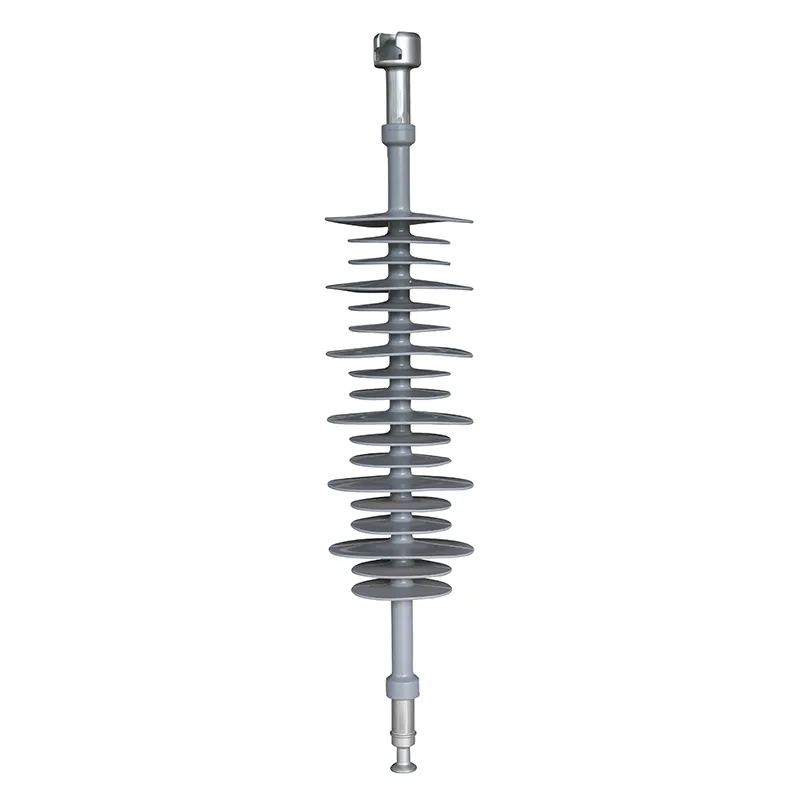
For larger projects and pro-grade power systems beyond standard home fuses, many of our global customers pair Lowe’s basics with utility components like our own high‑voltage composite insulators for long-term reliability in harsh environments.
Checking electrical fuses at Lowe’s before you drive
Before you jump in the car, use the Lowe’s site or app so you know your exact fuse is on the shelf. This saves you time, fuel, and the stress of hunting for a “15 amp fuse Lowe’s” or “60 amp cartridge fuse Lowe’s” only to find an empty peg.
How to search Lowes.com for specific fuses
- Type what you need into the search bar: electrical fuses lowes, plug fuses lowes, cartridge fuses lowes, glass fuses lowes, or ceramic fuses lowes.
- If you have it, search by:
- Part number/SKU from the old package
- Brand + rating, like Bussmann fuses lowes 30 amp or Eaton fuses lowes 20 amp
- Amp rating, like 15 amp fuse lowes or time delay fuses lowes
Using the Lowe’s app and “Buy Online, Pick Up In Store”
- Open the Lowe’s app fuse search and set your preferred store.
- On each product page, check stock for that store; this is your live Lowe’s fuse stock checker.
- If it shows “In Stock”, choose “Buy Online, Pick Up In Store” for same day fuse pickup at Lowe’s.
- For urgent jobs, this is the safest way to lock in common sizes that cover most emergencies (15A, 20A, 30A plug and cartridge fuses).
Checking nearby locations and low-stock situations
- On the product page, tap “Check other stores” to see inventory across nearby Lowe’s locations.
- If it shows “Limited stock”:
- Place an online fuse pickup Lowe’s order if available.
- Call the store and ask the electrical desk to physically confirm the number of pieces on hand.
- If it shows “Out of stock”:
- Check a nearby store in the app.
- Look for the same rating and type from another brand (for example, switching between Cooper Bussmann lowes, GE fuses lowes, Littelfuse lowes, or Square D lowes as long as specs match).
- For larger system upgrades (beyond simple home fuse replacement from Lowe’s), consider stepping up to a dedicated outdoor low‑voltage power distribution box, such as an outdoor low‑voltage power distribution box cabinet, and plan that work separately from your quick fuse run.
How to Match and Replace a Blown Electrical Fuse from Lowe’s
When a fuse blows, I treat it like a warning light, not just a quick fix. Here’s how I match and replace electrical fuses from Lowe’s the right way.
1. Identify the blown fuse type
Before you touch anything, turn off power to the panel or unplug the appliance.
Then look at what you’ve got:
Match the general style in your panel or appliance before anything else.
2. Match size, base type, and rating before you go to Lowe’s
I always note three things from the old fuse:
- Amps (15A, 20A, 30A, 60A, etc.)
- Voltage (125V, 250V, 600V, etc.)
- Type / base (Edison base, Type-S, cartridge length, glass size)
Take the old fuse or a clear photo (front and side). This makes it much easier to match in the Lowe’s electrical fuses aisle.
3. What to check on the old fuse label (step-by-step)
On the fuse body or metal cap, look for:
- Brand – Bussmann, Eaton, GE, Littelfuse, etc.
- Series / type code – examples: TL, T, S, FRN-R, FNM, AGC, GMA
- Amperage – “15A”, “20A”, “30A”
- Voltage – “125V”, “250V”
- Time-delay vs fast-acting
- Marked as “TD”, “SLO-BLO”, “TIME DELAY”
- Or “FAST”, “FUSE”, sometimes no marking but series code tells it
Write this down or snap a close-up photo. That’s your shopping list.
4. Double-check compatibility at Lowe’s
In the Lowe’s electrical department fuses section, I always:
- Match amp rating exactly (never go higher just because it’s all they have)
- Match voltage rating (equal or higher is okay, never lower)
- Match time-delay vs fast-acting
- Match physical size and base so it actually fits
If I’m unsure, I’ll ask at the Pro Desk and show them the fuse or photo. For bigger electrical upgrades or if you’re thinking beyond simple fuses, it’s worth planning ahead with more advanced gear like a vacuum circuit breaker solution instead of just repeatedly swapping fuses.
5. Safely swap the old fuse for the new one
Once you’re home:
Shut off power
- Main breaker off, or disconnect power at the main switch
- Unplug the appliance if it’s an internal glass or ceramic fuse
Remove the blown fuse
- For plug fuses: unscrew gently
- For cartridge fuses: use an insulated fuse puller if space is tight
Confirm it’s blown
- Glass: broken filament or burn mark
- Cartridge: sometimes you can’t see; trust the trip and your testing
Install the new fuse
- Insert or screw in snugly—don’t overtighten
- Make sure it seats fully in the holder
Restore power and test
- Turn the main back on
- Check if the circuit or appliance works normally
If the new fuse blows again quickly, that’s usually a wiring, overload, or equipment problem. At that point, I stop replacing fuses and call a licensed electrician instead of forcing a fix.
What to Do If Lowe’s Doesn’t Have Your Exact Electrical Fuse
Sometimes your local Lowe’s is out of the exact fuse number you need. You still have options, but you need to stay within safe limits.
Use equivalent or compatible fuse part numbers
When the exact code isn’t on the shelf:
- Match these first, in order:
- Type (plug fuse, cartridge fuse, glass fuse, ceramic fuse, automotive, etc.)
- Amperage (15A, 20A, 30A, 60A, etc.)
- Voltage rating (must be equal or higher than your old fuse, never lower)
- Time rating (fast-acting vs time-delay)
- Physical size / base type (Edison base, Type-S adapter, cartridge length, diameter)
- Look at the cross-reference chart on Bussmann / Eaton and Littelfuse packaging.
- Search the model number on Lowes.com and check for “equivalent” or “replacement” in the product description.
If those five points don’t match, don’t force a substitute.
Type-S vs Type-T plug fuses at Lowe’s
For old screw-in (plug) fuse panels:
- Type-T (Edison-base):
- Screw directly into old fuse sockets.
- Easier to misuse (people oversize them).
- Type-S (with adapter ring):
- Uses a threaded adapter that locks in a single amp rating (15A, 20A, 30A).
- Helps prevent oversizing and is safer long-term.
You can usually upgrade from Type-T to Type-S by installing the right Type-S adapter ring for each circuit. You must match the circuit’s original amp rating – if it was 15A, use a 15A Type-S, not 20A.
Time-delay vs fast-acting fuse choices
When choosing between time-delay fuses and fast-acting fuses at Lowe’s:
- Fast-acting fuses (often marked AGC, F, or “fast-blow”):
- Used for sensitive electronics, some lighting, control circuits.
- Blow quickly on overload.
- Time-delay fuses (marked TD, Slo-Blo, Dual-Element):
- Used for motors, fridges, AC units, compressors, power tools.
- Handle short start-up surges without blowing.
General rule:
- Replace like for like. If the old one says “Time-Delay” or “Slo-Blo,” don’t drop in a fast-acting fuse unless the equipment manual clearly allows it.
- Never use a time-delay in a spot that specifically calls for fast-acting protection.
Why upsizing a fuse is almost always wrong
Upsizing means putting in a higher amp fuse than the circuit was designed for (e.g., 15A → 20A). This is how fires start.
- Safe changes (usually okay):
- Same amp rating, equal or higher voltage rating.
- Same type, same size, same time rating.
- Unsafe changes (avoid):
- 15A circuit with 20A or 30A fuse “because it keeps blowing.”
- Swapping a fast-acting fuse for a time-delay on electronics just because it’s what’s in stock.
- Using a physical adapter to jam a bigger fuse into a smaller-rated socket.
If the fuse keeps blowing, the problem is the load or wiring, not the fuse size.
When to call an electrician instead of forcing a substitute
Don’t try to “outsmart” the fuse if:
- You can’t find a matching amperage at Lowe’s.
- The panel looks burned, corroded, or cracked.
- The same fuse blows repeatedly even after you’ve unplugged obvious loads.
- You’re tempted to:
- Oversize the fuse
- Bypass the fuse
- Use a random “close enough” fuse
In those cases, call a licensed electrician. If you’re planning a bigger upgrade or moving from fuses to breakers down the road, it’s worth reading up on modern protection gear like medium-voltage circuit breakers so you’ve got a clear roadmap before you invest.
If you’re ever unsure in the aisle at Lowe’s, I’d rather see you walk out without a fuse than walk out with the wrong one.
Safety Tips When Buying and Using Electrical Fuses at Lowe’s
When you’re grabbing electrical fuses at Lowe
Extra Tips for Shopping Electrical Fuses at Lowe’s
Bring the old fuse or clear photos
Match-up is everything with electrical fuses at Lowe’s. Before you drive over:
- Bring the actual blown fuse in a small bag, or
- Take clear, close-up photos of:
- The fuse itself (both ends)
- The printed ratings (amps, volts, type)
- The fuse holder or panel it came from
This makes it easy for you (and store staff) to grab the exact plug fuse, cartridge fuse, glass fuse, or ceramic fuse you need without guessing.
Use Lowe’s staff and the Pro desk
If you’re not sure which plug fuses at Lowe’s or cartridge fuses at Lowe’s match your setup, don’t just grab something that “looks close.”
- Ask for the electrical department or Pro desk
- Show them your old fuse or photos
- Tell them: amp rating, voltage, and whether it’s time-delay or fast-acting
They can steer you toward the right Eaton / Bussmann, Square D, GE, or Littelfuse option instead of a risky substitute.
Keep a small fuse emergency kit at home
Most fuse headaches are avoidable if you keep a simple home fuse replacement kit ready:
- A few 15 amp fuses, 20 amp fuses, and 30 amp fuses that match your panel
- A small pack of glass fuses or an assortment kit for appliances and car fuses
- Clearly labeled zip bags so you know what’s for panel, appliances, and car
Grab these from the Lowe’s electrical fuses aisle once, and you’ll avoid late-night emergency runs.
How cnsovio can help with future upgrades
If you’re constantly buying fuses at Lowe’s because your system keeps tripping, you probably don’t just have a fuse problem—you have a system design problem. That’s where I look at the bigger picture:
- Planning when it’s smarter to upgrade from a fuse box to modern low-voltage switchgear
- Matching protective devices to your real load and future expansion
- Laying out a roadmap so you’re not piecing things together fuse by fuse
For deeper planning beyond basic home fuse replacement, you can look at our breakdown of low-voltage switchgear features and applications and reach out via the cnsovio contact page when you’re ready to level up your electrical system instead of just patching it.