Blog
Best Marine Electrical Fuse Block Guide 2026 Waterproof LED
Buyers guide to the best marine electrical fuse block options with waterproof LED panels ABYC compliant features installation tips and top brands
Read More
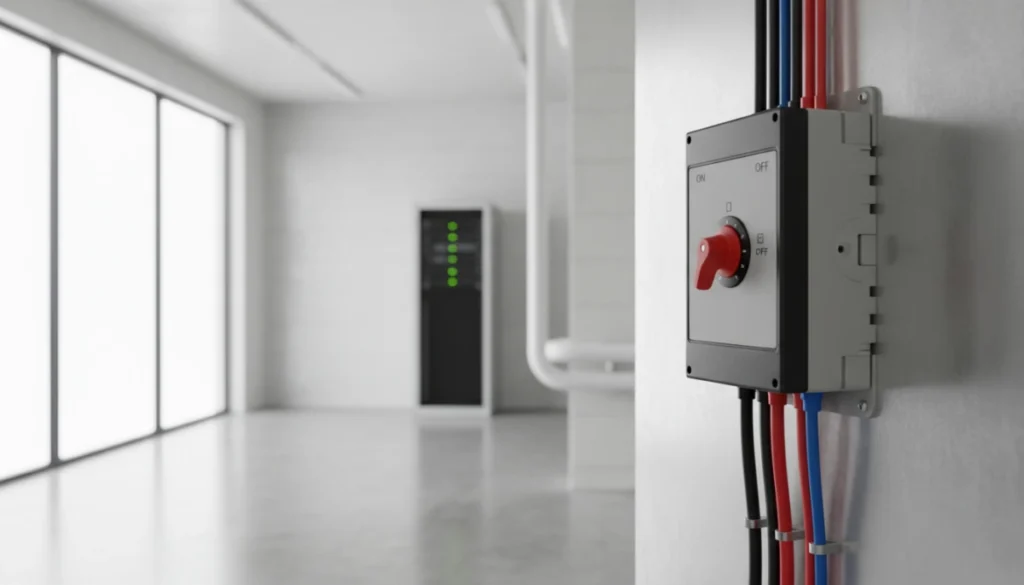
A switch isolator, or high voltage disconnector, is a mechanical switching device used to isolate a specific part of an electrical circuit for maintenance or inspection. Unlike circuit breakers, we design these devices to operate under no-load conditions, ensuring that a circuit is physically and safely disconnected from the power source.
The primary function of our electrical disconnector is to create a visible break gap in the circuit. This physical separation is a critical safety requirement, allowing operators to visually confirm that the line is de-energized before beginning work.
We have refined the engineering of the outdoor isolator switch over decades to meet the increasing demands of modern power grids. Early models focused on basic manual disconnection; however, contemporary units are high-precision instruments built to survive extreme environmental conditions.
Our current designs strictly adhere to international IEC, CE, and ISO safety standards. This compliance ensures that every circuit isolation device we provide offers consistent performance, high dielectric strength, and the reliability required for global power transmission and distribution networks.
The fundamental job of a switch isolator is to create a physical “air gap” in an electrical circuit. Unlike circuit breakers, these are no-load switching devices, meaning they are designed to operate only when the current has already been interrupted by another device.
We provide two primary ways to trigger the disconnection, depending on the site requirements:
Our equipment is built to withstand harsh environments using high-grade materials to ensure long-term performance:
For safe maintenance, following the correct sequence is critical to prevent equipment damage or injury:
Every switch isolator we produce undergoes rigorous testing to ensure the mechanical joints never seize, even in extreme icing or high-heat conditions.
We classify every switch isolator based on its operational environment and voltage requirements. Choosing the right design is critical for ensuring your high voltage disconnector integrates seamlessly into your broader high-voltage switchgear setups.
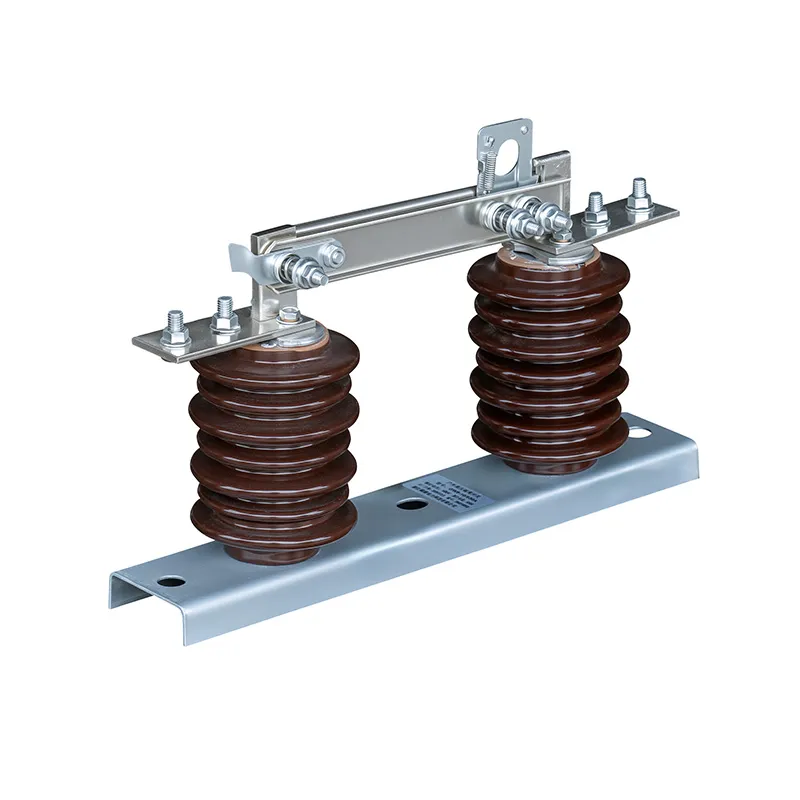
Our GW9 isolator is a flagship choice for outdoor 10-15kV power systems. We’ve engineered this series to handle no-load switching with maximum durability in mind. It is frequently paired with our outdoor vacuum circuit breakers to provide a comprehensive and safe maintenance environment.
This outdoor isolator switch features a simplified manual hook-stick operation and high-strength galvanized steel components, ensuring it stands up to corrosion in diverse global climates.
Understanding the distinction between a switch isolator and a circuit breaker is fundamental for grid safety. While they might look similar to the untrained eye, their roles in a power system are entirely different. A circuit breaker is an automatic protection device, while a high voltage disconnector serves as a dedicated maintenance isolation switch.
A medium voltage circuit breaker is designed to “make” or “break” a circuit under load, including during a short circuit. It is built to quench the massive electrical arcs generated during such events. Conversely, a switch isolator is a no-load switching device. It provides a visible physical gap in the circuit, ensuring that the downstream equipment is completely dead and safe for technicians to touch.
| Feature | Switch Isolator (Disconnector) | Circuit Breaker |
|---|---|---|
| Function | Safety isolation for maintenance | Automatic fault & load protection |
| Breaking Capacity | None (must be operated at zero current) | High (interrupts fault currents) |
| Arc Suppression | Not equipped | Built-in (Vacuum, SF6, or Oil) |
| Visibility | Provides a visible break switch gap | Contacts are usually hidden inside a tank |
To prevent catastrophic equipment failure or arc flash, the sequence of operation must always be strictly followed. You cannot use a circuit isolation device to cut power while current is flowing.
Choosing the right device for your power system depends on your specific protection and maintenance needs. While breakers handle the heavy lifting of fault protection, our electrical disconnectors provide the ultimate peace of mind for site safety. When comparing electrical fuses and circuit breakers, remember that neither replaces the need for a physical isolator during long-term maintenance.
Our switch isolator solutions serve as the primary safety barrier in complex electrical grids. Whether it is a massive substation disconnector or a compact outdoor isolator switch, these devices ensure that technicians can work without risk by physically separating high-voltage sections from the power source.
We provide specialized power transmission isolator units for various critical environments:
In every application, our goal is simple: total reliability under no-load conditions, ensuring that your high-voltage assets remain safe, accessible, and easy to manage.
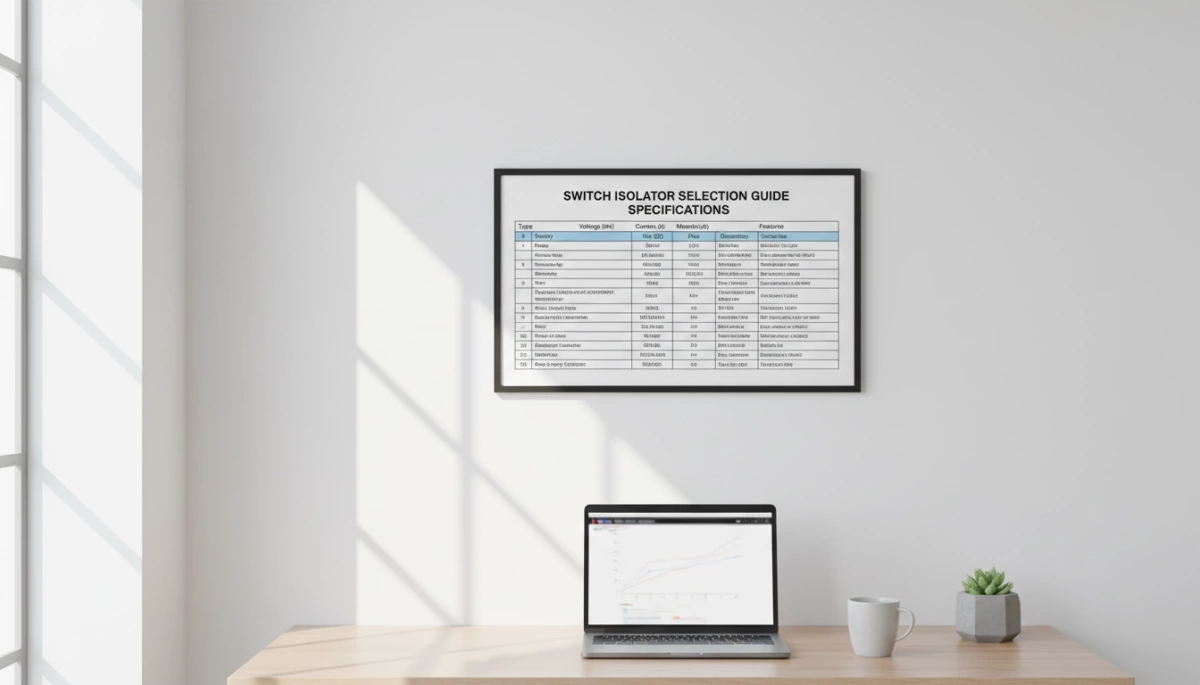
Choosing the right switch isolator isn’t just about picking a part; it’s about ensuring your grid’s safety. I look at three major factors: the rated voltage, the environment it lives in, and its mechanical strength.
| Specification | Requirement |
|---|---|
| Rated Voltage | Must match or exceed the highest system voltage (e.g., 10kV, 35kV). |
| Pollution Resistance | Necessary for an outdoor isolator switch in salty or dusty areas. |
| Short-time Withstand Current | Crucial for handling sudden surges without melting or welding. |
| Seismic Rating | Vital for maintaining alignment and structural integrity during ground movement. |
I always recommend checking the pollution class of your site first. A high voltage disconnector rated for clean air won’t last a year in a heavy industrial zone without the right insulation upgrades. Keep it simple: match your specs to your worst-case weather day.
I prioritize safety and system integrity above all else. A reliable switch isolator is not just a component; it is the primary safeguard for your maintenance teams and equipment. By providing a visible break switch gap, these units eliminate the uncertainty of digital readings, ensuring a circuit is physically and safely interrupted before work begins.
Our outdoor isolator switch designs are engineered to thrive in the toughest environments, from coastal salt spray to extreme thermal fluctuations.
| Feature | Impact on Operations |
|---|---|
| Visible Disconnection | Provides absolute visual proof of circuit isolation for personnel safety. |
| Environmental Resilience | High-grade materials prevent corrosion in harsh outdoor substation settings. |
| Standard Compliance | Full adherence to IEC, CE, and ISO ensures global grid compatibility. |
| Mechanical Precision | Robust linkage systems prevent misalignment during manual or motorized operation. |
We build our equipment to be the most dependable part of your power system, focusing on heavy-duty construction and fail-safe mechanical operation.
We lead the industry by combining decade-long expertise with cutting-edge manufacturing. Our primary focus is delivering a reliable outdoor isolator switch that performs under extreme conditions without compromise, ensuring your grid remains stable and safe.
Our flagship GW9 isolator series is engineered for maximum durability in harsh environments. Designed specifically for 10kV to 15kV systems, these units provide a clear, visible break switch gap that ensures operator safety during maintenance. We often integrate these robust disconnectors with our 10kV ring main units to provide comprehensive, high-reliability power distribution solutions for global projects.
| Feature | CNSOVIO Standards | Industry Average |
|---|---|---|
| Service Life | 20+ Years | 10–15 Years |
| Material Quality | High-grade galvanized steel & ceramics | Standard alloys |
| Global Compliance | Full IEC, CE, and ISO certification | Basic local compliance |
| Testing | 100% No-load operation verification | Batch sampling |
We maintain a deep commitment to transparency and technical excellence. To stay updated on the latest installation techniques and safety standards, you can browse our technical power blog where we share insights on optimizing power transmission systems.
Setting up a high voltage disconnector requires precision. I always emphasize that a switch isolator must be installed on a level, rigid foundation to ensure the blades align perfectly with the fixed contacts. Even a slight misalignment can lead to mechanical stress or dangerous arcing during operation.
To keep your HV switchgear isolator running for decades, we follow a strict inspection schedule. Keeping the hardware clean is just as important as choosing the right types of electrical fuse for your secondary protection circuits.
The golden rule for any outdoor isolator switch is that it must never be operated under load. These devices are designed to provide a visible break switch gap for safety, not to extinguish a heavy electrical arc.
Always follow the “Breaker-First, Isolator-Second” sequence. You must confirm the circuit breaker has cleared the current before pulling the isolator handle. This “no-load switching” protocol is the industry standard to prevent equipment damage and ensure the safety of your field technicians. Consistent adherence to these best practices ensures your power distribution remains stable and your crew stays safe.
We understand that choosing the right high voltage disconnector involves technical nuances. Based on our decade of experience, we’ve gathered the most frequent questions from our global partners to help you make an informed decision.
The primary difference lies in the ability to handle electrical current during operation. A load break switch is designed to interrupt active currents, whereas a switch isolator is a no-load switching device. You must only operate an outdoor isolator switch after the circuit breaker has cleared the load. This ensures a visible break switch gap, providing an absolute guarantee of safety for maintenance crews.
Yes, our GW9 isolator series is specifically engineered to handle the demands of solar farms and wind power grids. As renewable energy grows, the need for a reliable electrical disconnector to isolate transformers and busbars during routine checks is critical. You can explore our diverse range of substation disconnector options to find the right fit for your green energy project.
Our equipment is built for longevity in harsh outdoor environments. With standard maintenance protocols, you can expect a service life of 20 to 30 years. We focus on high-grade materials and pollution-resistant insulators to ensure the maintenance isolation switch remains functional even in high-humidity or coastal regions.
| Feature | Switch Isolator (Disconnector) | Load Break Switch |
|---|---|---|
| Current Interruption | No-load only | Under load |
| Primary Purpose | Safety/Visible isolation | Circuit switching |
| Visual Confirmation | Clear physical gap | Often enclosed |
| Sequence | Operates after breaker | Operates before/with breaker |
If you are looking for more technical deep dives into power system safety, feel free to browse our latest industry insights and technical guides. Our goal is to ensure your power transmission isolator setup meets international IEC compliant disconnector standards for maximum uptime and safety.

Buyers guide to the best marine electrical fuse block options with waterproof LED panels ABYC compliant features installation tips and top brands
Read More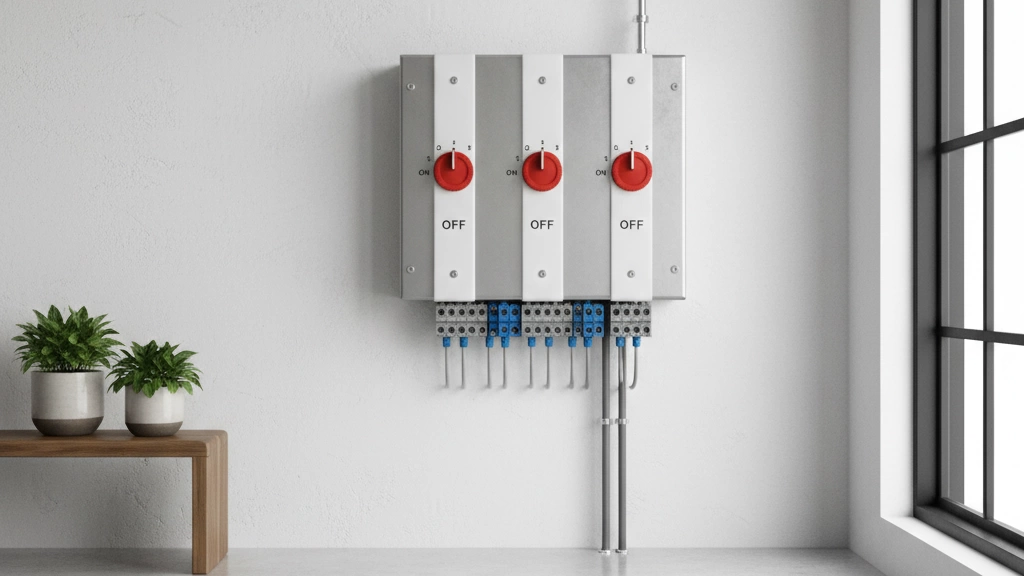
Core Functions & Standards of Switch Isolators Switch isolators serve a critical role in electrical safety by providing positive isolation—a reliable and visible means to disconnect power for maintenance or emergency shutdown. This isolation is achieved through either an air gap or contact separation, ensuring no electrical continuity when switched off. The air gap typically offers a clear physical […]
Read More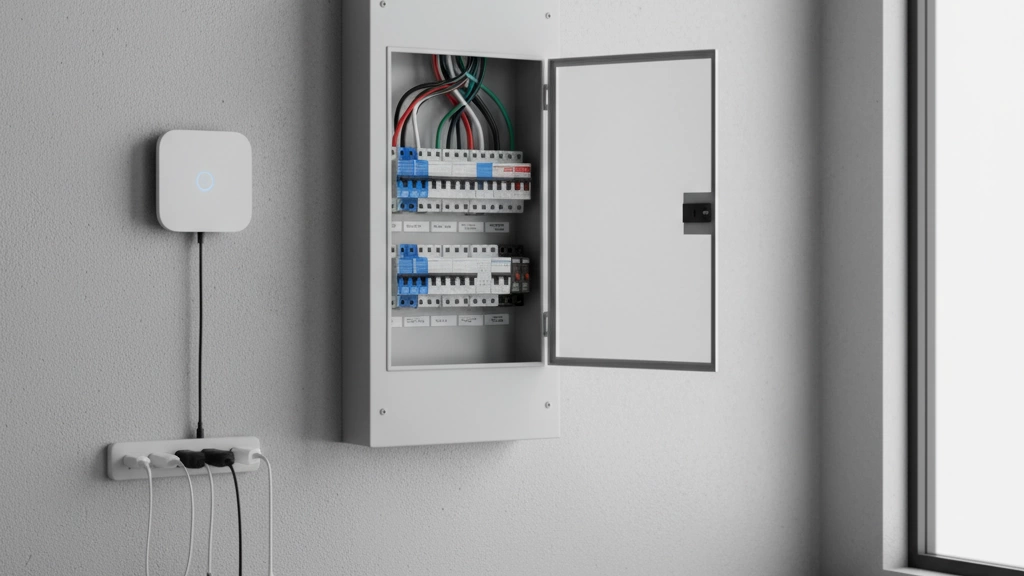
What Is an Electrical Fuse Box? If you’re worried about that old electrical fuse box in your home, you’re not alone. Many older houses still rely on fuse boxes instead of modern breaker panels, and it’s normal to wonder if they’re safe, legal, or overdue for an upgrade. Let’s start with the basics so you […]
Read More