When your electric fuse keeps tripping or a circuit breaker keeps tripping, it feels like your home is failing you. In reality, your electrical system is doing exactly what it was designed to do: protect you, your family, and your home from fire, shock, and electrical damage.
Let me walk you through what’s really happening when a fuse blows or a breaker trips.
What “Electric Fuse Tripping” Really Means
People say “electric fuse tripping” even if they actually have breakers instead of fuses. In both cases, it means:
The circuit detected too much current or a dangerous fault.
The fuse melted or the breaker switched off to cut power.
The circuit is now open (off), so electricity can’t flow.
In simple terms: Something unsafe was about to happen, and your fuse or breaker sacrificed itself to stop it.
Common Situations Where a Fuse or Breaker Suddenly Trips
Most fuse box keeps tripping problems come down to a few everyday scenarios:
Too many devices on one circuit
Space heater + hair dryer + vacuum on the same outlets
Kitchen counter: toaster, microwave, kettle all running at once
Result: electrical circuit overload → breaker trips after a few seconds or minutes
High‑wattage appliances on small circuits
Space heater trips breaker, kettle trips breaker, microwave trips breaker, air conditioner trips breaker
Old 15A circuit + modern high‑wattage appliance = constant tripping
Faulty or damaged equipment
Old extension cord, cheap power strip, or failing appliance
Plug it in → breaker trips immediately or fuse blows instantly
Water and outdoor outlets
GFCI outlet keeps tripping after rain, in bathrooms, kitchens, or outdoors
Moisture causes a ground fault, so the GFCI cuts power fast
Wiring issues
Loose connections, DIY wiring, aging cables
Lights flicker, then breaker trips
Sometimes the main fuse blows repeatedly if the problem is serious enough
Why Electric Fuse Tripping Is a Safety Feature, Not Bad Luck
When your circuit breaker keeps tripping, it’s easy to think:
“Why does my breaker keep tripping? This is so annoying.”
But here’s the truth:
The breaker or fuse is not the problem.
It’s reacting to a real issue on the circuit: overload, short circuit, or ground fault.
Without that trip, wires could overheat, insulation could melt, and nearby materials could catch fire.
If a breaker or fuse trips, assume it did it for a reason. Repeated tripping is a warning, not a glitch.
How Electric Fuse Tripping Protects You from Fire and Shock
Every trip event is your system saying “stop” before something worse happens.
Here’s what it’s guarding against:
Fire risk from overloads
Too much current overheats wires behind the walls.
Overloaded electrical circuit signs: warm outlets, buzzing, dimming lights, then a trip.
The trip cuts power before wires get hot enough to ignite.
Shock risk from ground faults
A ground fault vs short circuit is when electricity leaks off the normal path—possibly through a person.
GFCI tripping instantly when there’s moisture or a fault is exactly what you want.
That split‑second trip can literally prevent electrocution.
Equipment and appliance protection
Power surges or storm caused breaker to trip incidents can damage electronics.
A tripped breaker helps shield your devices from surges and faults.
Preventing major panel failures
If a tripped breaker won’t reset or the main fuse blowing repeatedly keeps happening, the system is preventing a major fault from staying energized.
Key Takeaway
If your fuse keeps tripping or your breaker won’t stay on, don’t think of it as bad luck or a defective box. Think of it as your built‑in safety system doing its job.
A trip = protection, not punishment.
Never bypass, tape, or oversize a fuse or breaker to “stop it from tripping.”
Always treat repeated tripping as a signal to find and fix the real cause, not something to ignore.
From an owner’s perspective, I design and recommend systems that trip fast, clearly, and safely, because that’s how you keep your home, your family, and your equipment truly protected.
Electric fuse tripping vs circuit breaker tripping
When people say “electric fuse tripping,” they usually mean any time the power suddenly cuts off on a circuit. In real life, that might be an old‑school fuse blowing or a modern breaker clicking off. The end result for you is the same: the circuit shuts down to stay safe.
Key differences: fuses vs modern circuit breakers
Older fuses:
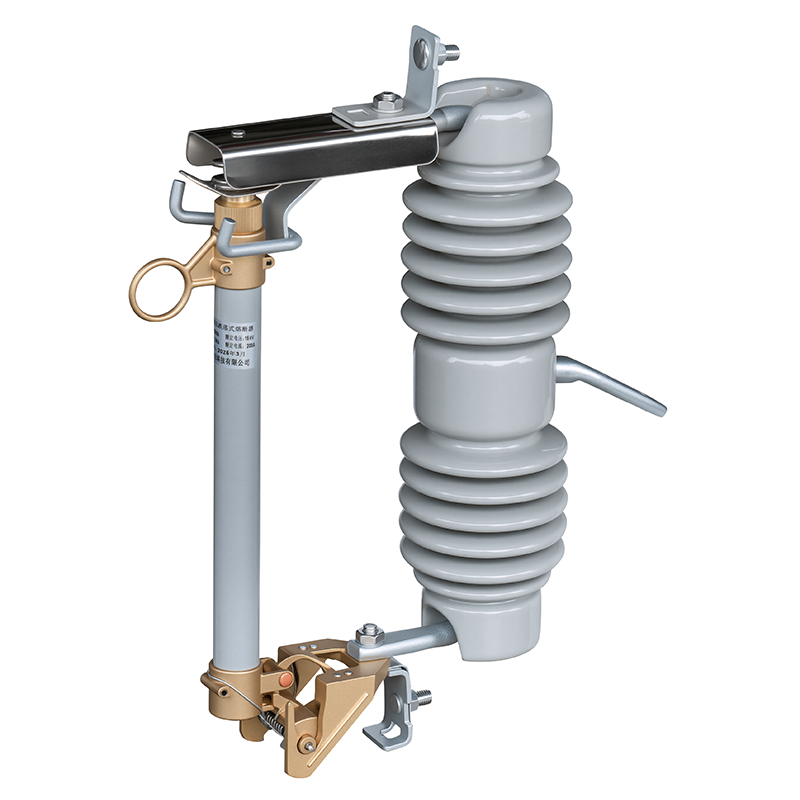
One‑time use: when a fuse “blows,” the thin metal strip inside melts and opens the circuit.
You must replace it with a new fuse of the same rating (never larger).
Common in very old homes or older industrial setups.
Usually screw‑in or cartridge style in a metal fuse box.
Modern circuit breakers:
Reusable switch: when they trip, they simply turn off internally.
You can reset them by switching fully OFF, then back ON.
Easier to see which circuit is off thanks to labeled handles.
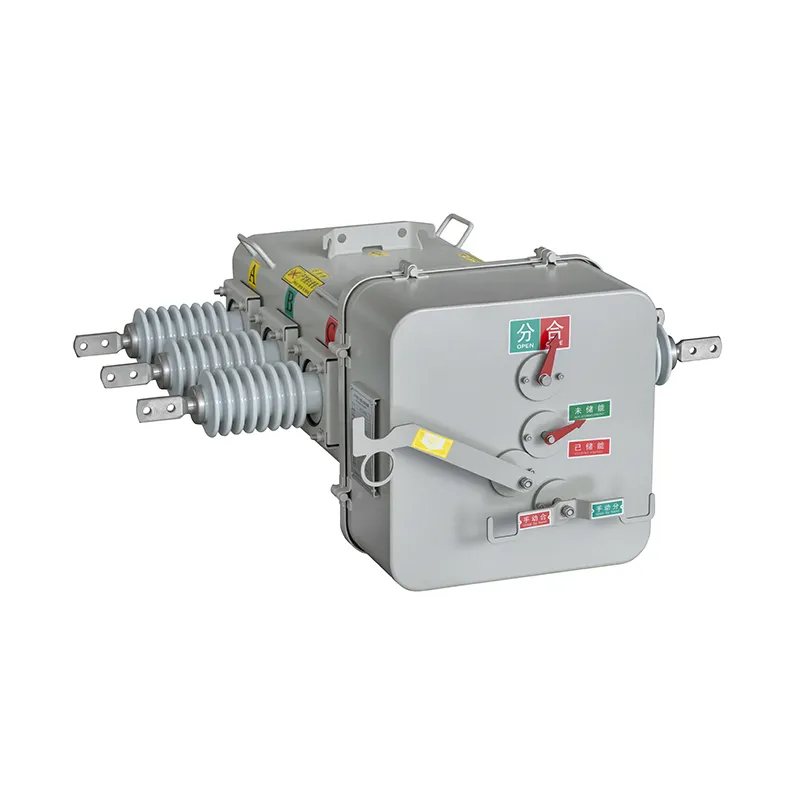
Available in advanced versions used in large facilities and utilities, like outdoor vacuum circuit breakers or SF₆ gas‑insulated tank breakers similar to the high‑voltage designs used in modern vacuum circuit breaker systems.
Functionally, both fuses and breakers do the same job: cut power before the wire overheats or a fault turns into a fire or shock hazard.
Why we still say “fuse tripping” even with breakers
The phrase stuck. For years, everyone had fuse boxes, so “the fuse blew” or “fuse tripping” became normal talk. Now most homes use breakers, but people still say:
“The fuse keeps tripping”
“My fuse box keeps tripping”
In most modern homes, that “fuse box” is actually a breaker panel.
How to tell what you actually have
Go to your main electrical panel and look closely:
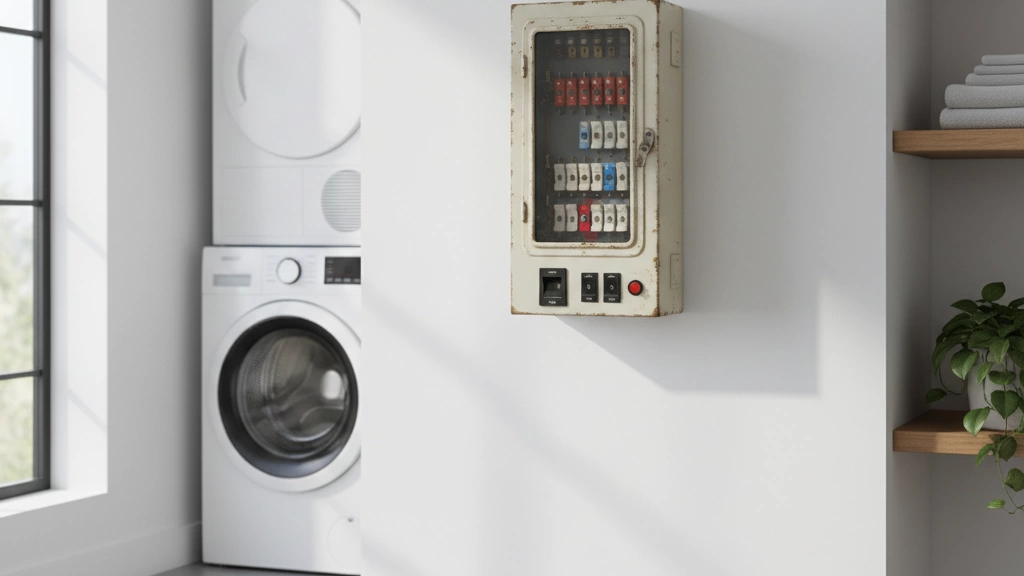
If you see round screw‑in pieces (often white or colored), you have fuses.
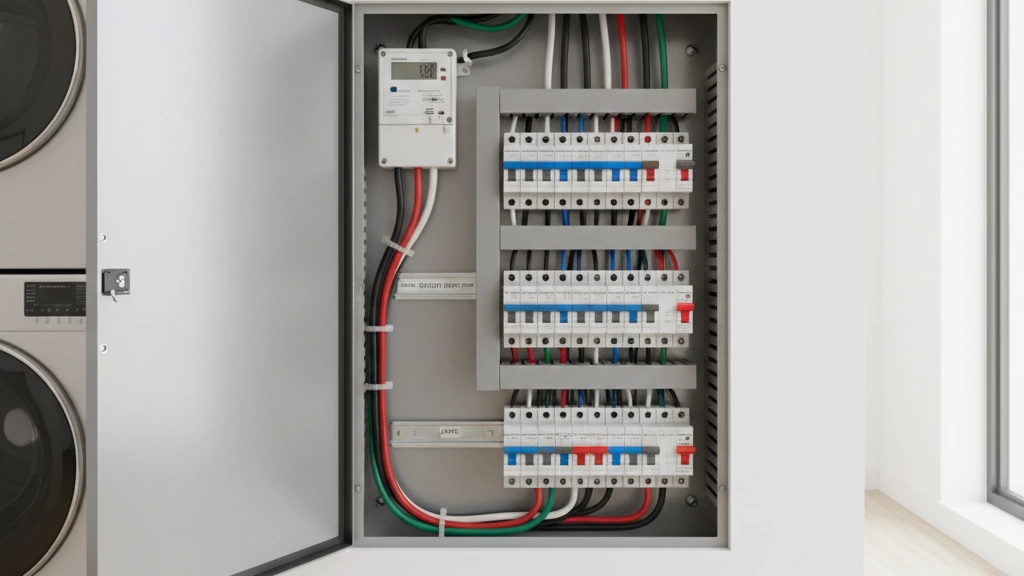
If you see rows of small switches with ON/OFF levers, you have circuit breakers.
If you see both (fuses plus some breaker add‑ons or sub‑panels), you’ve got a mixed system, common in older homes that were partially upgraded.
If you’re not sure, don’t guess. Take a clear photo and show it to a licensed electrician.
What smart breakers, GFCI, and AFCI do when they trip
Modern safety devices go beyond simple overload protection:
Standard breaker
Trips on overload or short circuit.
Handle flips to the middle or OFF position.
GFCI (Ground Fault Circuit Interrupter)
Found in bathrooms, kitchens, garages, outdoors.
Trips when it senses current leaking to ground (like through water or a person).
The RESET button pops out on the outlet or breaker.
Often used on circuits where shock risk is high.
AFCI (Arc Fault Circuit Interrupter)
Trips when it detects dangerous arcing (sparking) in wires or cords.
Protects against hidden fire risks in walls, old cables, or damaged cords.
Looks like a breaker with a test button or a special outlet.
Smart breakers / smart panels
Can show which circuit tripped and why in an app.
Some let you monitor load in real time and detect patterns before a problem becomes serious.
Common in new builds, EV‑ready homes, and high‑end installations.
No matter which you have, a “trip” is the device telling you: “Something’s wrong. I cut power on purpose to keep you safe.”
Types of Trips That Cause Electric Fuse Tripping
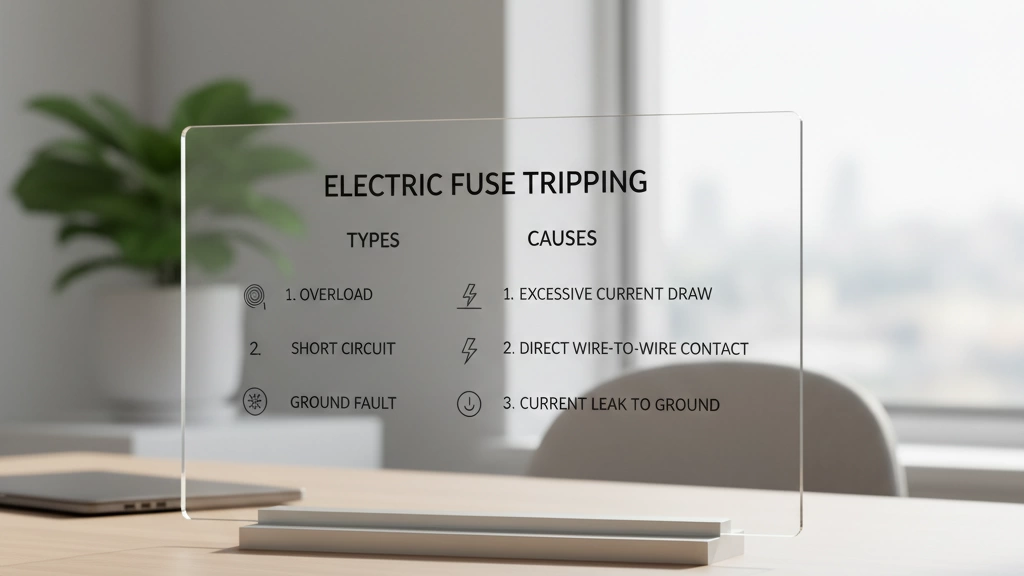
When an electric fuse is tripping or a circuit breaker keeps tripping, it’s usually one of four things: overload, short circuit, ground fault, or arc fault. Knowing which one you’re dealing with helps you decide whether it’s a simple fix or a “call an electrician now” situation.
Overload Trips (Most Common in Homes)
This is the classic “too much on one circuit” problem.
What it is:
You’re pulling more amps than the circuit is designed for (e.g., 15A or 20A).
Common with space heaters, kettles, hair dryers, microwaves, or multiple high‑wattage devices on one line.
Typical signs:
Breaker trips after a few minutes, not instantly.
Lights may dim or flicker right before it trips.
The breaker may feel warm, but not burning hot.
Everyday examples:
Space heater + vacuum + TV on the same outlet strip.
Kettle trips breaker when the microwave is already running.
Window air conditioner trips breaker on hot days when other devices are running.
This is the most “normal” form of electrical circuit overload and usually points to a circuit that’s just overworked, not necessarily damaged.
Short Circuit Trips (Hot and Neutral Touch Directly)
A short circuit is much more violent than an overload.
What it is:
The hot (live) wire touches neutral or ground directly.
Current spikes instantly, which makes the breaker trip immediately or the fuse blow.
Typical signs:
Breaker clicks off the moment you turn something on.
You might hear a loud “pop” or see a small spark.
You may smell a faint burning or see scorch marks on the plug, outlet, or breaker.
Common causes:
Crushed or damaged cord.
Loose electrical wiring behind an outlet.
DIY wiring mistakes, especially on lighting or appliance circuits.
A short circuit is a real fire risk, not something to keep resetting “to see if it holds.”
Ground Fault Trips (What GFCI Outlets Do)
A ground fault happens when current leaks somewhere it shouldn’t—often through moisture, damaged insulation, or a person.
What it is:
The electricity is finding a path to ground outside the normal wire path.
A GFCI outlet keeps tripping when it detects even a small difference between hot and neutral.
Typical signs:
Outlet or GFCI tripping instantly the moment you plug something in or hit “reset.”
Often found in bathrooms, kitchens, laundry rooms, basements, garages, and outdoors.
Sometimes happens after rain, mopping, or steam.
Common causes:
Wet outdoor outlets.
Old kettles, washers, or garden tools with slight leakage.
Water in extension cords or junction boxes.
Ground faults are about shock protection, which is why GFCIs are required by modern residential electrical safety codes.
Arc Fault Trips (Why AFCI Breakers Trip So Fast)
An arc fault is a tiny, persistent spark caused by loose or damaged wiring or cords. Think of it like electricity “jumping” across a gap.
What it is:
Not quite a full short circuit, but dangerous heat and sparking.
AFCI breaker nuisance tripping often points to real arcing or very noisy electronics.
Typical signs:
Breaker trips quickly when you turn on certain devices or a specific light.
Sometimes happens when you move a lamp, plug, or wiggle a cord.
Can be triggered by staples through wires, pinched cables, or old aluminum wiring.
Because arcs are a leading cause of electrical fires, modern codes require AFCI protection on more and more circuits. Industrial and medium‑voltage breaker designs use similar fast‑acting technology to interrupt dangerous faults before equipment or cables are damaged; the same concept is now applied inside homes.
How Each Type of Trip Feels and Sounds
Here’s how these problems usually show up in real life when your fuse box keeps tripping or a circuit breaker keeps tripping:
Overload
Feels: Gradual – it trips after some time under heavy use.
Sounds: Usually quiet; maybe a soft “click” at the breaker.
Clue: Only trips when many appliances are on together.
Short Circuit
Feels: Instant – breaker trips the moment you flip a switch or plug in.
Sounds: Sharp “click,” sometimes a pop at the outlet.
Clue: Possible spark, burn mark, or burning smell from outlet or cord.
Ground Fault
Feels: GFCI outlet button pops out instantly or won’t reset.
Sounds: Soft internal click at the GFCI or breaker.
Clue: Near water, outdoors, or with damp cords; often one specific outlet or appliance.
Arc Fault
Feels: AFCI breaker trips randomly, often when cords move or certain devices run.
Sounds: Usually just the breaker click; arcing is often too quiet to hear.
Clue: Older wiring, aluminum wiring, or devices with damaged cords; lights flicker then breaker trips.
If your tripped breaker won’t reset, trips immediately with everything unplugged, or you see burning smell from breaker box or scorch marks on outlet, stop there and get a licensed electrician in.
Most common reasons your electric fuse keeps tripping
If your electric fuse keeps tripping or your circuit breaker keeps popping off, there’s usually a clear reason behind it. Here are the most common causes and what they really mean.
1. Too many devices on one circuit (electrical circuit overload)
One circuit can only handle so much power. When you plug in too many devices at once, you get an overloaded electrical circuit.
Typical overload signs:
Breaker trips when you run several appliances together (heater + kettle + microwave).
Lights dim or flicker just before the trip.
Breaker feels warm to the touch.
If your fuse box keeps tripping when the house is busy (cooking, drying, heating all at once), it’s usually overload, not a “bad fuse.”
2. High‑wattage appliances that trip breakers
Some devices are “power hogs” and easily push a circuit over its limit:
Space heater trips breaker
Kettle trips breaker
Microwave trips breaker
Air conditioner trips breaker
EV charger trips breaker
Run two or three of these on the same 15A or 20A circuit, and you’ll almost guarantee the breaker trips immediately or shortly after. The fix is usually to spread them across different circuits or install dedicated circuits for heavy loads.
3. Old or faulty appliances causing instant tripping
If the breaker trips as soon as you plug in one appliance, you may have:
A short circuit inside the appliance (hot and neutral touching).
Breaker or fuse blows every single time that one item is used.
To troubleshoot, I usually plug the suspect device into another properly working circuit. If it trips there too, it’s the appliance causing the breaker to trip, not your wiring.
4. Water, moisture, and GFCI outlets tripping
If a GFCI outlet keeps tripping or you see GFCI tripping instantly when you hit “reset,” moisture is a prime suspect.
Common problem spots:
Outdoor outlets with worn covers.
Bathroom or kitchen outlets near sinks.
Garages, basements, laundry rooms.
Signs:
Trips more often after rain or storms.
Outlet faceplate or wall feels damp.
You see condensation inside outdoor covers.
GFCIs are designed to trip on ground faults vs short circuits to protect you from shock, so never bypass them just to “stop the nuisance.” If you’re seeing repeat trips in wet areas, get it checked; you can also find more safety-focused guides in our latest electrical blog posts.
5. Loose, damaged, or DIY wiring making fuses blow
Loose electrical wiring symptoms and bad connections can easily make a fuse blow repeatedly:
Outlets or switches that wiggle in the wall.
Scorch marks on outlet plates.
Crackling, buzzing, or faint sizzling sounds.
Lights flicker when you touch a switch.
DIY wiring, backstabbed connections, or wrong wire sizes can all cause overheating and frequent breaker tripping. This isn’t a “wait and see” situation—loose wiring is a fire risk.
6. Aging or bad breakers tripping for no clear reason
Sometimes the problem is the breaker itself:
Breaker hot to touch even at light load.
Handle feels loose or wobbly.
It trips with very little plugged in.
Breaker won’t stay on even when the circuit is unloaded.
These are classic signs of a bad breaker or a worn-out fuse holder. Breakers do wear with age and repeated trips. If your fuse blowing repeatedly in house doesn’t match how you’re actually using power, the hardware may just be at end of life.
7. Power surges, storms, and grid issues
Random trips during or after:
Thunderstorms
Utility switching events
Local power surge tripping breaker
These are often caused by voltage spikes coming from outside your home. A big surge can make the main fuse blow repeatedly or trip multiple branch breakers at once.
If you live in an area with unstable power, whole house surge protection is one of the best upgrades to cut down on nuisance trips and protect your gear. We cover these types of upgrades often in our residential electrical safety articles.
8. Shared neutral or multi‑wire circuits tripping more often
Older homes and some renovations use multi‑wire branch circuits (two circuits sharing one neutral). These can cause:
AFCI breaker nuisance tripping
GFCI or dual‑function breakers that trip even at modest loads.
Confusing patterns where two breakers trip together.
Issues here often come from:
Miswired neutrals.
Shared neutral causing trips after a panel change.
New AFCI/GFCI breakers added to old wiring.
If your circuit breaker keeps tripping on a shared neutral circuit, this is not a straightforward DIY fix. A licensed electrician should verify the wiring layout and breaker configuration.
In short, when your electric fuse keeps tripping, it’s almost always one of these: overload, high‑wattage appliances, bad devices, moisture, loose wiring, a failing breaker, outside power problems, or shared neutral issues. Identifying which bucket you’re in is the first step to fixing it safely.
How to safely reset a tripped electric fuse or breaker
When an electric fuse is tripping or a circuit breaker keeps tripping, you need to treat it as a safety warning, not just an annoyance. Resetting is simple, but you must do it the right way.
Basic safety rules before touching your panel
Before you open your fuse box or breaker panel, follow these rules:
Stand on a dry floor – no wet hands, no damp shoes, no puddles nearby.
Use one hand when possible – keep the other away from metal surfaces to reduce shock risk.
Use a flashlight, not a candle or lighter.
Don’t touch bare copper wires or metal parts inside the panel.
Stop immediately if you see:
Burning smell from the breaker box
Scorch marks or melted plastic
Buzzing, crackling, or visible arcing
Those are red‑flag signs of loose electrical wiring or damaged gear. Call an electrician at once.
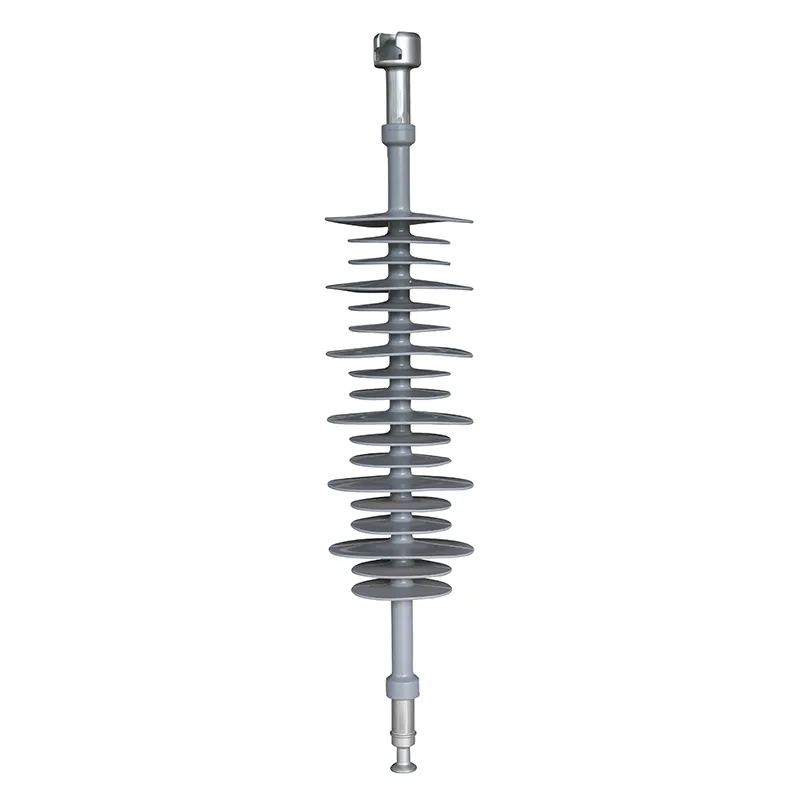
For larger buildings, we use high‑reliability gear like high‑voltage composite insulators and current transformers to keep fault currents under control. At home, your main “safety valve” is your fuse or breaker—so respect it.
How to find the tripped fuse or circuit breaker
In a breaker panel:
Open the panel door and look for:
A breaker handle sitting between ON and OFF
Or a breaker clearly in the OFF position
Many panels have a small orange/red indicator for tripped breakers.
In a fuse box:
Look for:
A screw‑in fuse that looks darker or cloudy
A fuse with a broken or burnt link inside
A cartridge fuse that looks charred around the ends
If your main fuse is blowing repeatedly or the main breaker keeps tripping, don’t keep trying—get a pro in.
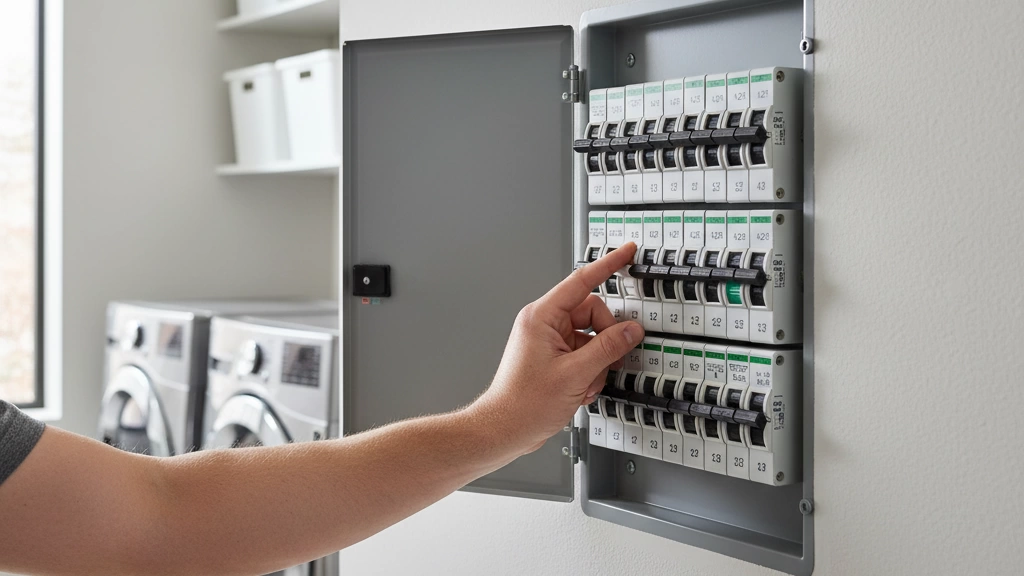
Step‑by‑step: safe way to reset a tripped breaker
Turn off or unplug big appliances on that circuit
Space heaters, kettles, A/C, microwave, EV charger, etc.
Stand to the side of the panel, look away slightly (in case of a flash).
Push the breaker firmly to OFF first.
Then push it back to ON with a steady motion.
If it stays on, try turning appliances back on one at a time.
If the breaker trips immediately when you reset it, or won’t stay on, stop. That can mean a short circuit, ground fault, or bad breaker.
What to do if you have screw‑in fuses
For homes that still use fuses:
Turn off and unplug devices on the dead circuit.
Switch off the main breaker (or main fuse disconnect) if you have one.
Unscrew the suspected fuse by hand only—no metal tools.
Compare it to a new fuse:
Blown fuse: dark, broken link, or cloudy window
Replace with the same type and amp rating (e.g., 15A with 15A).
Turn the main back on and test the circuit.
Never “oversize” a fuse (e.g., swapping a 15A with a 30A) to stop tripping—that’s how fires start.
How to reset GFCI and AFCI devices safely
GFCI (Ground Fault Circuit Interrupter) outlets and breakers protect you from shock (like water + electricity):
Press RESET on the GFCI outlet until it clicks.
If it won’t reset:
Press TEST, then RESET again.
Unplug everything on that circuit and try again.
If a GFCI keeps tripping instantly, you may have moisture, a bad appliance, or a wiring fault.
AFCI (Arc Fault Circuit Interrupter) breakers protect against arc faults (sparking in wires or cords):
Reset them like normal breakers: fully OFF, then ON.
If an AFCI breaker nuisance tripping happens:
Check for damaged cords, loose plugs, or DIY wiring.
Some older electronics or cheap power strips can cause false trips.
If an outlet stops working after a trip, check both the breaker panel and any GFCI outlets upstream—one tripped GFCI can kill power to several outlets.
What it means if the breaker or fuse trips again right away
If your circuit breaker keeps tripping or a fuse keeps tripping as soon as you reset or replace it:
Instant trip with everything unplugged → Likely wiring fault, short circuit, or bad breaker. Call an electrician.
Trips only when a specific appliance is plugged in → That appliance is causing the breaker to trip. Stop using it and get it checked or replaced.
Trips after a few minutes of heavy use (heater, kettle, microwave, A/C, EV charger) → You probably have an overloaded electrical circuit. You need to move loads to another circuit or add a dedicated line.
Do not keep flipping a tripped breaker that won’t reset or replacing a fuse blowing repeatedly in the house. Repeated tripping is the system telling you: “Something’s wrong—and it can become dangerous.”
How to find what’s tripping your fuse or breaker
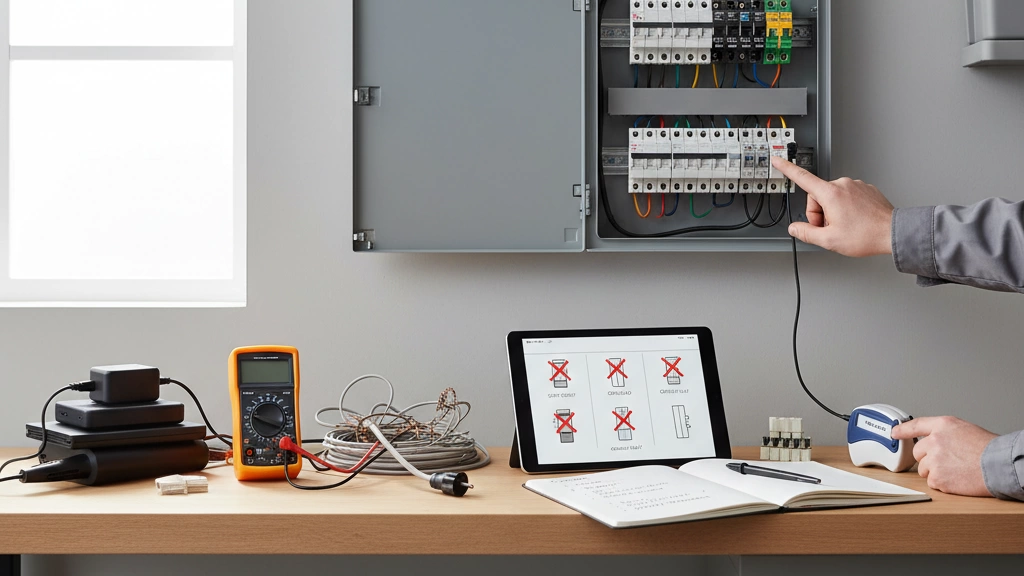
When an electric fuse keeps tripping or a circuit breaker keeps tripping, don’t start yanking plugs randomly. Use a simple, calm process so you don’t miss the real problem or put yourself at risk.
Simple checklist before you start
Before you touch the fuse box or breaker panel, do this:
Turn off / unplug obvious high‑load devices on that circuit:
Space heaters
Kettles / coffee makers
Microwaves
Toasters, hair dryers, portable AC units, EV chargers
Check for visible danger:
Burning smell near the breaker box or outlets
Scorch marks on outlets, plugs, or the panel
Cords that are hot, brittle, or melted
Make sure your hands and floor are dry – especially if GFCI outlets keep tripping near kitchens, bathrooms, or outdoors.
Switch off sensitive electronics (PCs, TVs) to protect them while you’re testing.
If you see smoke, strong burning smell, or melted plastic, stop and call an electrician immediately.
Step‑by‑step way to isolate the problem circuit
Find the tripped breaker or blown fuse
Breaker: handle is in the middle or slightly “off” compared to others.
Fuse: glass or cartridge fuse looks dark, broken, or burned.
Turn the breaker fully OFF, then ON again
If the tripped breaker won’t reset or trips instantly with everything “off”, there may be a short circuit or wiring fault.
Note which rooms/outlets lost power
Lights and outlets that went out are all on the same circuit. That’s the circuit you’ll test.
The “half‑split” method to narrow down a tripping appliance
Use this when one circuit keeps tripping and you suspect an appliance:
Unplug roughly half of the devices on that dead circuit.
Reset the breaker or replace the fuse.
Watch what happens:
If it stays on, the problem is in the half you unplugged.
If it trips again, the problem is in the half still plugged in.
Move your “half‑split” again: from the suspect half, unplug half of those devices and repeat.
In a few rounds, you’ll usually land on one appliance or one outlet that causes the breaker trips.
Testing one appliance at a time
Once you have a suspect appliance causing breaker trips or fuse blowing repeatedly:
Test it on a different outlet / different circuit:
If it trips another breaker immediately, the appliance is bad.
If it runs fine elsewhere, the original circuit is likely overloaded or has wiring issues.
Be extra careful with:
Space heaters
Kettles and coffee makers
Microwaves
Portable ACs
EV chargers
These high‑wattage loads often overload a 15A circuit by themselves.
Circuit vs appliance: how to tell
The issue is probably the appliance when:
The breaker trips instantly every time that single device is plugged in or switched on.
The device also trips a different circuit.
The plug or cord gets hot, smells, or shows scorch marks.
The issue is probably the circuit or wiring when:
The breaker trips even with everything unplugged on that circuit.
Lights flicker, then the breaker trips.
Multiple different appliances cause trips on that one circuit, but all work fine on others.
The breaker gets hot to the touch, buzzes, or feels loose.
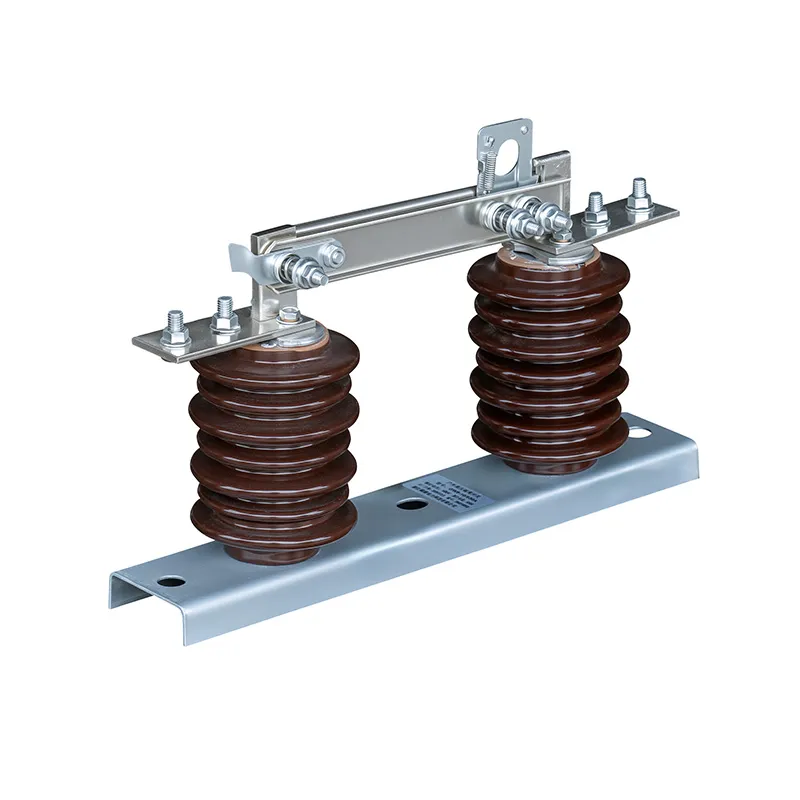
If you’re working with higher‑voltage distribution equipment or isolation gear in larger buildings, you’d use similar isolation logic, but with dedicated hardware like a switch isolator or a high‑voltage isolator switch to safely separate sections of the system before testing.
Reading signs from the breaker panel, outlets, and cords
Pay attention to these clues during any DIY electrical troubleshooting:
Breaker panel signs:
Hot breaker housing
Buzzing or crackling sounds
Main fuse blowing repeatedly or frequent breaker tripping across multiple circuits
Outlets and switches:
Scorch marks or discoloration
Loose outlets that wiggle
GFCI outlet keeps tripping, especially after rain or cleaning (possible moisture or ground fault)
Cords and plugs:
Melted or cracked insulation
Plugs that spark when you insert them
Cords that feel hot under normal use
If the breaker trips immediately after reset, won’t stay on, or you see any damage or burning smell from the breaker box or outlets, stop resetting it. That’s no longer “normal electric fuse tripping” – it’s a safety problem, and it’s time to bring in a licensed electrician.
Symptoms of a bad breaker vs normal electric fuse tripping
When an electric fuse is tripping or a circuit breaker keeps tripping, you need to tell if it’s doing its job or if the breaker itself is going bad. I always treat this as a safety check, not an annoyance.
Normal tripping during overloads and heavy use
In a healthy system, tripping is a safety feature. It’s “normal” in these cases:
You run several high‑wattage appliances on one circuit
Example: space heater + kettle + microwave on the same outlets
The breaker trips once, you reset it, then:
You reduce the load (unplug something or move an appliance to another circuit)
The breaker stops tripping under lighter use
Tripping happens only:
During peak use (evenings, weekends, hot or cold days)
On circuits you know are heavily loaded (kitchen, laundry, heaters, AC, EV charger)
That’s classic electrical circuit overload, not a bad breaker.
Warning signs of a failing breaker or fuse holder
A bad breaker or fuse holder is a real risk. These are red flags:
The same breaker trips at random, even with:
Few or no loads on the circuit
Normal, low‑power use (just lights, a charger, a TV)
It trips at very low load (one small appliance) after years of normal behavior
The breaker handle feels loose, wobbly, or doesn’t “click” firmly On/Off
The fuse holder is cracked, discolored, or doesn’t grip the fuse tightly
The breaker or fuse works differently from others in the panel (weak spring, sloppy action)
If I see more than one of these, I stop reset‑testing and plan a replacement.
Hot breaker, buzzing, or loose handle = serious problem
Some symptoms move this from “watch it” to “call an electrician now”:
Breaker hot to touch
Warm is normal under load
Uncomfortably hot or getting hotter over time is not
Buzzing, sizzling, or crackling sounds from:
The breaker itself
The fuse holder or nearby bus bar
Loose handle that:
Won’t stay firmly in ON or OFF
Springs back halfway or feels spongy
These signs often mean loose connections, internal damage, or arcing. That’s a fire risk, not just a nuisance trip.
Any visible or smell‑based damage around a breaker, fuse, or outlet is a big red flag:
Scorch marks or discoloration on:
The breaker or fuse body
Panel cover around one breaker
Outlet or switch plates on that circuit
Melted plastic or deformed parts
Burning smell:
Like burnt plastic or hot metal
Even if the power is still “working”
If I see this, I treat the circuit as unsafe to use until checked. In larger systems or outdoor installations, I use properly sealed gear like an outdoor low‑voltage distribution box to reduce these failure points in the first place.
When repeated tripping means the breaker itself might be bad
Repeated tripping isn’t always about overload or a faulty appliance. It points to a weak or failing breaker when:
The breaker trips instantly every time you reset, and:
You’ve unplugged or turned off everything on that circuit, and
There’s no visible damage at outlets or cords
The breaker used to hold a certain load for years, but now:
Trips with the same or lighter load
Other similar circuits in the panel are fine
It behaves inconsistently:
Sometimes trips under light use
Sometimes holds heavier use without issues
In short:
Normal tripping = predictable, tied to heavy use or obvious overload
Bad breaker symptoms = hot, noisy, physically damaged, loose, or tripping for no clear reason
When in doubt, I stop flipping it back on and bring in a qualified electrician to test and replace the suspect breaker or fuse holder before it turns into a fire or shock hazard.
Is repeated electric fuse tripping dangerous?
If your electric fuse keeps tripping or your circuit breaker keeps tripping, your home is telling you something. Sometimes it’s just annoying. Sometimes it’s a real fire or shock risk. The key is knowing which is which—and not ignoring the signs.
When repeated tripping is just an inconvenience
Inconvenient, but not immediately dangerous, usually looks like this:
The breaker trips only when you run lots of things at once on the same circuit
Example: space heater + hair dryer + TV in one room
Tripping happens during peak use (evening cooking, laundry, heating)
The breaker resets normally and stays on if you use fewer devices
No burning smell, buzzing, or hot breaker
This usually means electrical circuit overload, not a wiring failure. It’s still a sign the circuit is undersized for how you live, and you may want to:
Spread loads across different outlets/circuits
Avoid running multiple high‑wattage appliances together
Plan a dedicated circuit for big loads (heaters, AC units, EV chargers, etc.)
When repeated trips mean real fire or shock risk
Frequent breaker or fuse tripping can be dangerous when you see any of this:
Breaker trips instantly when you turn on a single appliance
Trips even with everything unplugged from that circuit
Burning smell from the breaker box or outlets
Scorch marks, melted plastic, or discoloration on outlets, plugs, or the panel
Breaker or fuse feels hot to the touch
Buzzing or crackling sounds from the panel or outlet
GFCI outlet keeps tripping, especially near water (kitchen, bathroom, outdoors)
Those are classic signs of:
Short circuits
Ground faults
Loose or damaged wiring
A failing breaker or fuse holder
In these cases, stop resetting and call an electrician immediately. Repeated tripping here isn’t “nuisance” – it’s your safety system doing its job.
How often is “too often” for a breaker to trip?
Use this as a simple rule of thumb:
Once in a while (a few times a year): usually OK, often overload-related
Every week or every few days on the same circuit: needs attention
Trips multiple times in a day or every time you reset it: treat as urgent
If the main fuse is blowing repeatedly or the main breaker keeps tripping, that’s especially serious and should be checked fast. That affects your whole home, not just one room.
Why it’s not safe to keep flipping the breaker back on
A breaker or fuse that trips is a warning, not a challenge.
Constantly flipping it back on can:
Let overheated wires keep heating up, raising fire risk
Mask a short circuit or ground fault that could lead to shock
Damage appliances that keep starting under bad conditions
Wear out the breaker so it won’t trip properly when you really need it
Safe mindset:
Reset once after you’ve unplugged some loads and checked for obvious issues
If it trips again immediately or repeatedly, stop and call a pro
This is especially true for critical equipment like EV chargers, high‑power HVAC, and any gear tied into low-voltage switchgear or panels—if you’re working with more advanced setups, it’s worth making sure your system is designed and protected correctly using properly specified components like those covered in this guide to low-voltage switchgear key features and applications.
Myths about oversized breakers and larger fuses
There are a few dangerous myths that refuse to die:
Myth 1: “If the breaker keeps tripping, just install a bigger one.” Reality: The wires and outlets are sized for a specific current (15A, 20A, etc.). Installing a bigger breaker or fuse on the same wiring lets more current flow than the wires can safely handle. That’s how electrical fires start.
Myth 2: “A larger fuse will stop nuisance tripping, no harm done.” Reality: The “nuisance” is your protection working. Changing fuse size without upgrading wiring and devices violates basic safety rules and most electrical codes.
Myth 3: “If it resets, it’s fine.” Reality: A breaker can reset and still be masking an underlying short, ground fault, or loose wiring.
If your fuse box keeps tripping or the breaker won’t stay on, the real fix is:
Reduce load on that circuit
Repair or replace faulty wiring/appliances
Add new circuits or upgrade the system properly, not just bump up breaker size
When in doubt, document what’s happening (which breaker, what was running, any smell or noise) and pass that to your electrician. It saves time and helps them target the real issue fast.
When to call an electrician for electric fuse tripping
If your electric fuse keeps tripping or a circuit breaker keeps shutting off, there’s a point where DIY needs to stop. Some issues are annoying; others are real fire and shock risks. Here’s when you bring in a licensed electrician right away.
Red‑flag signs you should stop DIY immediately
Call an electrician and stay out of the panel if you notice:
Burning smell from the breaker box or outlets
Scorch marks, melted plastic, or discoloration on outlets, switches, or the panel door
Breaker hot to the touch or buzzing, crackling, or humming sounds
Lights flickering right before a breaker trips
Main fuse blowing repeatedly or main breaker tripping with normal use
You see loose, frayed, or taped‑up wiring anywhere in the system
These are not “nuisance trips.” They’re warning signs of a serious fault or overloaded electrical circuit.
Circuits tripping with everything unplugged
If a breaker trips even when every appliance is unplugged and all switches on that circuit are off, you likely have:
A short circuit inside the wiring
A ground fault in a hidden junction box or damaged cable
A shared neutral or multi‑wire branch circuit problem causing random trips
Moisture in an outdoor box, attic, basement, or bathroom wall
Do not keep resetting that breaker. Leave it off and get a pro out to test the wiring.
Aluminum or very old wiring and frequent trips
Homes with aluminum wiring or wiring that’s several decades old (cloth‑covered cables, old fuse boxes, brittle insulation) need special attention:
Connections can loosen over time, causing heat and arcing
Older wiring may not be sized for modern high‑wattage appliances
Frequent tripping here is a safety warning, not just an inconvenience
In older installations, it’s often smart to pair a wiring upgrade with modern protection devices and properly rated switchgear like a quality switch disconnector or isolator so circuits can be worked on safely.
New devices that keep tripping breakers
Get an electrician involved if:
A new EV charger trips the breaker regularly
A heat pump, air conditioner, or electric heater trips as soon as it starts
A new kitchen appliance (oven, induction hob, large microwave) keeps killing the same circuit
A GFCI or AFCI breaker nuisance tripping started only after a remodel or panel upgrade
You may need:
A dedicated circuit
A different breaker type or rating
Correct wiring for multi‑wire branch circuits and shared neutrals
Proper coordination with surge protection or smart panel controls
What to tell the electrician so they can help faster
When you call, have this info ready:
What trips? (exact breaker number, label, or “the bedroom circuit,” “kitchen outlets,” etc.)
What’s happening when it trips?
Space heater on? Kettle or microwave running? EV charging? Storm outside?
How often?
Every day, only in bad weather, only with one appliance, or randomly?
Does it trip instantly or after a few minutes?
What you’ve already tried
Unplugged everything? Tried a different outlet? Reset GFCI/AFCI?
Any visible signs
Burning smell, buzzing, hot breaker, scorch marks, loose outlets
The clearer your description, the faster a good electrician can pinpoint whether you’re dealing with simple overload, a failing breaker, or a deeper wiring issue that needs urgent repair.
How to prevent electric fuse tripping in daily life
When an electric fuse keeps tripping or your circuit breaker keeps tripping, it’s usually a sign the circuit is doing its job – but it’s still annoying. Here’s how I manage it day‑to‑day so I’m not constantly walking to the fuse box.
Easy ways to spread out high‑wattage appliances
Most frequent breaker tripping comes from overloaded electrical circuits. High‑wattage devices stack up fast on a single line.
Common “circuit killers”:
Space heaters
Kettles
Microwaves
Toasters / toaster ovens
Hair dryers & straighteners
Portable AC units / dehumidifiers
EV chargers
Simple habits that prevent electric fuse tripping:
Don’t run two or more “heat” devices (heater + kettle, heater + hair dryer, microwave + toaster) on the same outlet or power strip.
Split big loads:
Heater in the living room → one circuit
Kettle and microwave → another circuit (often the kitchen has separate circuits)
Avoid daisy‑chaining power strips and extensions for heavy gear.
If something like a space heater trips the breaker often, move it to another outlet in a different room and test.
Planning circuits for heaters, EV chargers, and big kitchen gear
If your fuse box keeps tripping whenever you cook or charge your car, the circuit setup is probably too tight for how you live.
For global households, these devices deserve extra planning:
Heaters & AC units
Use one heater per circuit where possible.
Avoid plugging heaters into the same outlet as TVs, consoles, or PCs.
EV chargers
Even a “slow” EV charger pulls a lot of power.
I always recommend a dedicated circuit for EV chargers – no sharing with other loads.
Kitchen appliances
Microwaves, kettles, rice cookers, air fryers, and coffee machines together can overload quickly.
Try not to run 2–3 of them on the same outlet at the same time.
If your breaker trips immediately whenever you cook and heat at once, that’s your cue to talk to an electrician about adding circuits or upgrading.
Using dedicated circuits for heavy‑load devices
To prevent electric fuse tripping long‑term, dedicated circuits for heavy‑load devices are the cleanest fix.
Good candidates for dedicated circuits:
EV chargers
Fixed AC systems or heat pumps
Electric water heaters
Big ovens and induction cooktops
Large fridges / freezers
Workshop tools (table saws, compressors, welders)
High‑end home office setups or server racks
Why this matters:
Fewer overloads and frequent breaker tripping
Less risk of dim lights, flickering, or burning smell from breaker box
Safer for your wiring, especially in homes with old wiring or aluminum wiring
Labeling your breaker panel
A clearly labeled breaker panel makes every trip easier to trace and fix.
What I do:
Turn off one breaker at a time and see:
Which rooms lose power
Which outlets and lights go out
Write simple labels, not electrician jargon:
“Kitchen plugs – left side”
“Living room + TV wall”
“Washer + dryer”
“EV charger”
Add notes for special devices:
“GFCI for outdoor outlets”
“AFCI bedroom circuit”
This makes it much faster to find what’s tripping your breaker and avoid constant guessing.
Simple maintenance habits that reduce random trips
A lot of “random” electric fuse tripping is actually small issues building up over time.
Quick habits that help:
Check outlets and cords regularly
Look for scorch marks on outlets, cracked plates, loose plugs.
Replace damaged cords immediately.
Listen and feel at the panel
A hot breaker, buzzing, or a loose handle is not normal – that’s when I call an electrician.
Never ignore a burning smell from the breaker box.
Test GFCI outlets monthly
Press TEST, then RESET.
If a GFCI outlet keeps tripping instantly, get it checked – could be moisture or a real ground fault.
Keep moisture away from outlets in kitchens, bathrooms, balconies, and garages.
Avoid storing stuff pressed tight against the electrical panel so it can vent heat.
These simple steps won’t stop every circuit breaker from tripping, but they dramatically cut down nuisance trips and catch real problems early – before you’re dealing with a main fuse blowing repeatedly or a breaker that won’t stay on.
Upgrades that reduce electric fuse tripping long term
If your electric fuse keeps tripping or a circuit breaker keeps tripping every time you live a normal day (cook, work, charge devices, run AC), you don’t just have a nuisance—you have a system that’s under‑sized or outdated. Long term, the fix is usually upgrades, not endless resets.
Here’s how I look at it in real homes.
When to upgrade from 15A to 20A circuits
Moving a circuit from 15A to 20A can cut down electrical circuit overload trips, but only when it’s done right.
Home office with multiple monitors, printers, chargers
Laundry area (washer + iron, steamer, etc.)
You regularly trip the breaker using normal loads (no space heaters or sketchy adapters).
The circuit wiring is already 12 AWG copper (or can be rewired to 12 AWG).
20A on 14 AWG is unsafe and a direct fire risk.
Never just “swap the breaker” from 15A to 20A to “prevent circuit breaker from tripping.” The wire size has to match the breaker size. Otherwise, your breaker may no longer protect the cable.
Adding new circuits for EV chargers, offices, or workshops
For modern households, adding new dedicated circuits is often the cleanest fix for constant tripping:
EV charger trips breaker
EV chargers usually need a dedicated 32–60A circuit (or as per manufacturer).
Sharing with a dryer, range, or general outlets is asking for overloads.
Home office / gaming setup
Multiple monitors, desktop PC, UPS, speakers, heaters under the desk…
A dedicated 20A circuit for the office makes a huge difference.
Workshops and garages
Tools like air compressors, table saws, welders, and chargers pull heavy current.
Consider separate 20A or 30A circuits, properly sized to the tool and cable.
Space heaters, portable AC, big appliances
If a space heater trips breaker or air conditioner trips breaker often, you’re probably overloading a general‑use circuit.
A dedicated circuit for high‑wattage loads avoids constant nuisance trips.
The idea is simple: big loads get their own lane, not share with half the house.
Whole‑home surge protection to prevent nuisance trips
Power quality is getting rougher in a lot of regions—storms, grid swings, and EV chargers on the street can all cause power surge tripping breaker issues.
Whole‑home surge protection helps by:
Absorbing spikes from:
Lightning (nearby, not direct hits)
Utility switching
Large motors starting (elevators, pumps, industrial neighbors)
Reducing random breaker trips, GFCI outlet keeps tripping events, and electronics dying early.
Protecting:
Smart panels and modern smart breakers
EV chargers
Home office equipment
Appliances with sensitive boards (fridges, ACs, washing machines)
I treat whole‑house surge protection as a base layer for any home with a lot of electronics or smart gear.
AFCI and GFCI upgrades to make older homes safer
Older homes often have old wiring causing breaker trips, or worse, no real protection against shock or dangerous arcs.
Upgrading to AFCI and GFCI protection is one of the best safety investments:
GFCI (Ground Fault Circuit Interrupter)
Protects against shock, ground faults, and GFCI tripping instantly when leakage to ground is detected.
Ideal for:
Bathrooms
Kitchens
Outdoor outlets
Laundry, garages, basements
AFCI (Arc Fault Circuit Interrupter)
Cuts power during dangerous arc faults from loose connections, damaged cords, or loose electrical wiring symptoms.
Helps prevent electrical fires in:
Bedrooms
Living areas
Older circuits with questionable wiring.
If your AFCI breaker nuisance tripping is happening, it might be exposing a real wiring issue—not just “a sensitive breaker.”
Scheduled electrical inspections every few years
If you’ve had frequent breaker tripping, any burning smell from breaker box, scorch marks on outlet, or breaker hot to touch, you shouldn’t wait for a failure.
I recommend a full electrical inspection every 3–5 years, and sooner if:
You’ve added:
EV charger
Solar
Big AC units
Workshop tools
Your home has:
Aluminum wiring
Very old breakers or fuses
DIY wiring from past owners
You’re seeing:
Lights flicker then breaker trips
Breaker won’t stay on
Outlets not working after trips
Fuse blowing repeatedly in house
A good inspection will:
Identify overloaded electrical circuit signs.
Catch signs of bad breaker before it fails (loose, buzzing, overheating).
Confirm grounding, bonding, and safety devices (GFCI/AFCI) meet current standards.
Help you plan upgrades instead of reacting to every fuse box keeps tripping episode.
If your main fuse is blowing repeatedly or a tripped breaker won’t reset, that’s not “just how the house is.” That’s a system asking for an upgrade. Done properly, these long‑term fixes make your home safer, more reliable, and way less annoying to live in.
Common questions about electric fuse tripping
Why does my breaker trip when I plug in a single appliance?
If a single appliance makes your circuit breaker keep tripping, it’s usually one of these:
Appliance overload:
Space heater, kettle, microwave, air conditioner, hair dryer, or EV charger on a 15A or 20A circuit.
The appliance is simply too “hungry” for that circuit.
Internal short or fault in the appliance:
Breaker trips instantly as soon as you plug in or switch on.
You may hear a click and see a tiny flash at the plug.
Common with old kettles, toasters, fridges, ACs, and DIY-repaired gear.
Wrong circuit for the appliance:
High‑wattage appliance plugged into a power strip or overloaded extension on an already busy circuit.
If that one appliance keeps tripping the breaker, stop using it on that circuit. Test it on a different outlet/circuit. If it still trips there, the appliance is likely bad and needs repair or replacing.
Can a light bulb or lamp trip a breaker or fuse?
Yes, both can.
Normal case (rare):
A basic lamp normally uses very little power, so it won’t cause an overloaded electrical circuit.
When it can trip:
Bulb blows with a pop and causes a quick short circuit vs overload situation.
Damaged lamp cord, crushed cable under furniture, or loose plug causing arcing.
Cheap LED bulbs or dimmers causing AFCI breaker nuisance tripping.
If your fuse keeps tripping or breaker trips immediately when you switch on a lamp, check:
The bulb, the plug, and the cord for damage or scorch marks.
Try a different lamp on the same outlet. If the outlet trips no matter what you plug in, the issue is likely the circuit or wiring, not the lamp.
How many times can a breaker trip before it weakens?
Modern circuit breakers are designed to trip many times, but they’re not bulletproof.
Occasional tripping: Normal and usually safe.
Frequent breaker tripping (weekly or daily):
Wears the internal mechanism.
May cause signs of bad breaker over time.
As a simple rule of thumb:
If a breaker has tripped dozens of times and now feels loose, hot, or unreliable, it should be checked or replaced.
For main fuse blowing repeatedly or main breaker tripping often, don’t wait—get it inspected.
Is it safe to reset a tripping breaker multiple times?
You can reset a tripped breaker a few times, but you shouldn’t treat it like a light switch.
Safe approach:
First time:
Turn off / unplug likely heavy loads (heater, AC, microwave, EV charger).
Reset once and see if it holds.
Second time:
If it trips again quickly, stop. You now have a real issue: overload, short, ground fault, or failing breaker.
Not safe:
Flipping it back on over and over without finding the cause.
Taping it on or using oversized breakers or larger fuses “so it stops tripping.” That’s a fire risk.
Use the breaker as an indicator, not a workaround. It’s telling you something’s wrong.
How do weather, heat, and cold affect electric fuse tripping?
Temperature and weather do affect how often a circuit breaker keeps tripping:
Heat / hot weather:
Breakers are more sensitive when they’re already warm.
High ambient temp in the panel can cause earlier overload trips.
More AC units and fans running = higher load.
Cold weather:
Space heaters, heated blankets, and dryers running together cause overloaded electrical circuits.
Old or stiff insulation can crack, leading to short circuits or ground faults.
Storms and power surges:
Power surge tripping breaker is common during lightning or grid issues.
Whole house surge protection helps reduce nuisance trips and damage.
If your fuse box keeps tripping only during certain weather, it’s often a mix of extra load + weaker wiring or breakers.
What should I do if a breaker won’t reset at all?
If a tripped breaker won’t reset or breaker won’t stay on, do this:
Turn everything off on that circuit
Switch off or unplug all devices you know are on that line.
Reset the breaker correctly
Push it fully to OFF first.
Then push it firmly to ON. Many people skip the OFF step.
If it immediately trips again with everything unplugged:
You may have:
A short circuit in the wiring
A ground fault vs short circuit issue
A bad breaker or damaged panel connection
Stop trying to force it
Don’t keep flipping.
Don’t open the panel cover or touch bare wires if you’re not qualified.
At this point, the safest move is to call a licensed electrician and tell them:
Which breaker number/label is affected.
Whether it trips instantly or only when certain appliances are used.
Any burning smell from breaker box, breaker hot to touch, or scorch marks on outlet.
That info lets them fix the electric fuse tripping problem faster and safer.
If you’ve ever opened a fuse box and stared at a mix of glass tubes, cartridges, and tiny plastic blades wondering what on earth they all do, you’re not alone. Even in 2025, understanding the types of electrical fuse is critical – whether you’re troubleshooting a tripping circuit at home, protecting sensitive electronics, or speccing protection for motors and […]
How to Identify an Old Electrical Fuse Box If you’re not sure whether you have an old electrical fuse box or a modern breaker panel, you’re not alone. A lot of homeowners discover they still have a fuse box only when something trips or an inspector points it out. Let me walk you through how to spot […]
We use cookies to enhance your browsing experience, serve personalised ads or content, and analyse our traffic. By clicking "Accept All", you consent to our use of cookies.