Blog
Electrical Fuses Lowes Guide Types Prices and Buying Tips
Shop electrical fuses Lowes guide Types prices brands safety tips and aisle locations for fast fuse replacement
Read More
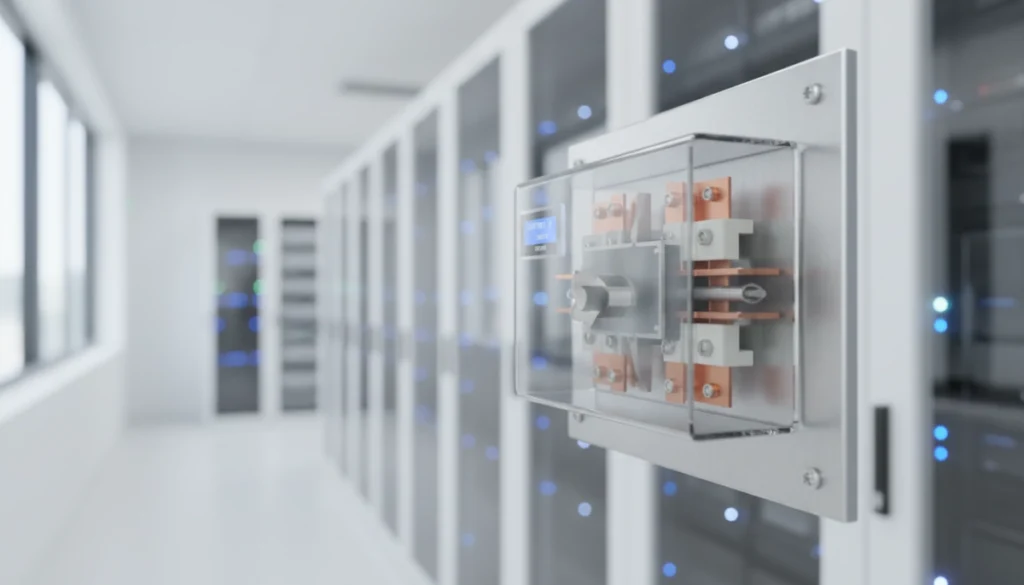
When it comes to electrical safety, there is no room for compromise. A switch disconnector does more than just break a circuit—it provides the visible, reliable isolation necessary to protect both your equipment and your personnel during critical maintenance.
But with evolving IEC 60947-3 standards and the specialized demands of solar PV and industrial AC/DC systems, selecting the right component has never been more complex.
In this guide, I’m going to break down everything you need to know about switch disconnectors, from utilization categories to choosing the right IP66-rated enclosures. Drawing on CNSOVIO’s years of technical expertise, I’ll help you specify the exact solutions needed for maximum system reliability.
Let’s dive in.
A switch disconnector is a heavy-duty control device that combines the functions of a load break switch with the safety of an isolator. Under the IEC 60947-3 standard, it is defined as a mechanical switching device capable of making, carrying, and breaking currents under normal circuit conditions—including specified operating overload conditions.
The primary objective of our switch disconnectors is to provide positive mechanical isolation. When the handle is moved to the “OFF” position, it creates a visible air break or a guaranteed physical separation of the contacts, ensuring the downstream circuit is completely dead and safe for maintenance.
Understanding the distinction between these devices is critical for system safety. While they may look similar, their internal engineering serves different purposes.
| Feature | Switch Disconnector | Isolator (Disconnect Switch) | Circuit Breaker | Load Break Switch |
|---|---|---|---|---|
| Switch Under Load? | Yes | No | Yes | Yes |
| Safety Isolation? | Yes | Yes | No (unless specified) | No |
| Overcurrent Protection? | No | No | Yes | No |
| Main Function | Safe isolation & control | Maintenance safety | Fault protection | Routine switching |
When we design for Direct Current (DC), particularly in Photovoltaic (PV) systems, the technical hurdles increase significantly. In an AC circuit, the current naturally hits a “zero point” 100 or 120 times per second, which helps extinguish the electrical arc.
In DC systems, the current is constant. There is no zero-crossing. This means when the contacts open, a persistent, high-temperature arc is formed that can melt standard components.
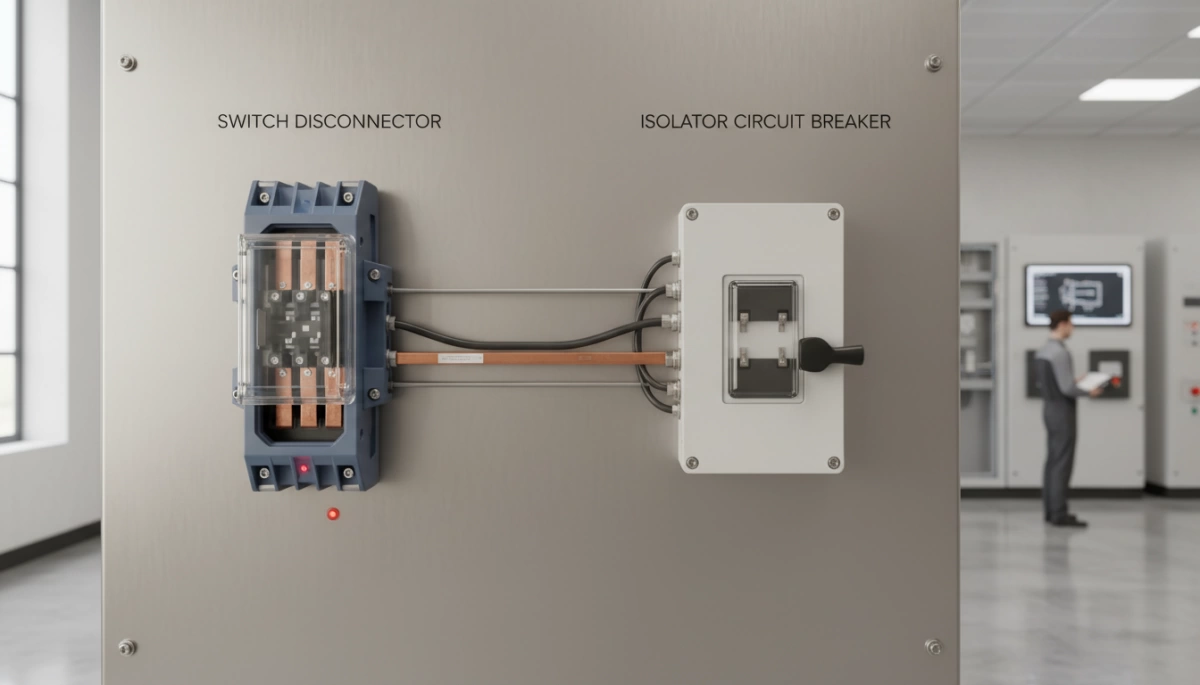
I find that many people confuse a switch disconnector with other components like circuit breakers or standard isolators. While they might look similar, their functions in a circuit are very different. A switch disconnector combines the features of a switch isolator and a load break switch, allowing you to cut power even when the circuit is active while ensuring a safe, visible physical break for maintenance.
| Device Type | Breaks Under Load? | Safe for Isolation? | Fault Protection? |
|---|---|---|---|
| Switch Disconnector | Yes | Yes (Visible Break) | No |
| Isolator | No | Yes | No |
| Circuit Breaker | Yes | Yes (Usually) | Yes (Short Circuit/Overload) |
| Load Break Switch | Yes | No | No |
When selecting a switch disconnector, the utilization category is the most critical spec. It tells you exactly what kind of electrical stress the device can handle.
Safety is my top priority. A reliable safety switch disconnector is the backbone of any Lockout-Tagout (LOTO) procedure. Unlike a circuit breaker, which might weld shut during a massive fault, a quality disconnector provides a positive mechanical break. If the handle is in the “OFF” position and locked, you can trust that the downstream equipment is truly dead. This “visible break isolation” is non-negotiable for protecting your crew during repairs or inspections.
I supply a versatile range of switch disconnectors tailored for different electrical loads and environmental demands. Whether you need a simple motor disconnect switch or a complex PV switch disconnector, selecting the correct category is vital for system safety and operational efficiency.
When selecting a switch disconnector, you need to look beyond the basic brand name. We focus on specific technical benchmarks that ensure the device won’t fail when you need it most. The reliability of your isolation point depends on matching these specs to your actual field conditions.
The following table breaks down the core ratings required for any safety switch disconnector to operate within its design limits:
| Specification | Parameter | Critical Function |
|---|---|---|
| Rated Operational Voltage ($U_e$) | Volts (V) | Defines the maximum voltage the switch can safely isolate. |
| Rated Operational Current ($I_e$) | Amps (A) | The load current the device carries without overheating. |
| Short-Circuit Withstand ($I_{cw}$) | kilo-Amps (kA) | The ability to survive high-fault currents for a specific duration. |
| Short-Circuit Making Capacity ($I_{cm}$) | kA (Peak) | The capability to be switched “ON” during an existing fault. |
A rotary switch disconnector is often the first line of defense in harsh environments. We prioritize builds that meet these physical standards:
Always check the IEC 60947-3 utilization category. An AC-23A rating is necessary for highly inductive motor loads, while a PV switch disconnector must be rated for DC-PV1 or DC-PV2 to handle the unique arcing challenges of high-voltage direct current. Selecting a device with a lower rating than your load type is a primary cause of equipment failure.
We provide switch disconnectors that serve as the primary safety mechanism across a wide range of electrical infrastructures. Whether it is for routine maintenance or emergency shutdowns, these devices ensure a visible break in the circuit to protect both personnel and equipment.
In factory environments, a high-quality load break switch is essential for motor control centers (MCCs). It allows technicians to isolate specific machinery without shutting down the entire facility.
Solar installations require specialized DC isolator switch units to handle the unique arcing characteristics of high-voltage direct current.
Safety requirements are even more stringent in harsh or public environments. For offshore applications, using an IP66 disconnect switch ensures the internal components remain protected from salt spray and moisture. To ensure comprehensive protection in these settings, we recommend integrating these units with a high-performance marine electrical fuse block to safeguard sensitive electronics against overcurrent.
Selecting the right switch disconnector is a critical safety decision. It isn’t just about matching a part number; it’s about ensuring the device can handle the physical and electrical stress of your specific application under both normal and emergency conditions.
To get the right fit, we follow a strict technical evaluation of these four pillars:
Never compromise on certifications. A high-quality electrical isolator must comply with IEC 60947-3 for low-voltage switchgear. Depending on your region, check for UL, CE, TUV, or SAA marks. These certifications guarantee that the device has passed rigorous testing for arc quenching, temperature rise, and mechanical endurance.
Many system failures stem from two common mistakes: undersizing and ignoring DC requirements.
We design our switch disconnector series to be the backbone of your safety system. Whether you are managing a utility-scale solar farm or a high-load industrial facility, our hardware is built to handle the most demanding electrical environments. We focus on durability, safety compliance, and custom solutions that fit your specific project needs.
While we provide robust low-voltage solutions, we also specialize in high-performance equipment like our medium-voltage circuit breaker range for comprehensive power distribution and protection.
| Series Type | Main Application | Key Specification |
|---|---|---|
| PV Switch Disconnector | Solar String/Array Isolation | Up to 1500V DC |
| Industrial Load Break Switch | Motor Control & Main Panels | High AC-23A Rating |
| Enclosed Safety Switch | Outdoor & Marine Environments | IP66 / UV Resistant |
| High-Voltage DC Isolator | Energy Storage (BESS) | Enhanced Mechanical Life |
Our switch disconnectors are trusted in global projects because we don’t cut corners on material quality or testing. From the silver-plated contacts to the ergonomic rotary switch disconnector handles, every component is engineered for an extended mechanical life and total reliability in the field.
We prioritize safety and durability in every installation. To get the most out of your switch disconnector, following correct mounting and maintenance protocols is non-negotiable for system longevity.
Maintaining a safety switch disconnector involves more than a quick glance. We recommend these steps to ensure ongoing compliance with IEC 60947-3 standards:
For complex industrial setups, integrating these units into a specialized fuse electrical panel provides an added layer of circuit protection. You can also stay updated on the latest compliance requirements by visiting our electrical industry blog.
When installing a DC isolator switch or a PV switch disconnector, polarity is critical. Double-check all string connections to avoid arcing. Properly sized cables ensure the electrical isolator handles the rated operational current without excessive voltage drops, keeping your motor disconnect switch or solar array running at peak efficiency.
I get these questions all the time from engineers and project managers. Here is a quick breakdown to clear up the confusion and help you make the right choice for your setup.
The simplest way to look at it is: a switch disconnector is for manual control and safe isolation, while a circuit breaker is for automatic protection.
| Feature | Switch Disconnector | Circuit Breaker |
|---|---|---|
| Primary Function | Manual switching and visible isolation. | Automatic protection against faults. |
| Overload Protection | No (unless it’s a fused version). | Yes, protects against overcurrent. |
| Short Circuit | Withstands current, doesn’t trip. | Trips automatically to cut power. |
| Operation | Manual (Rotary or Toggle). | Automatic and Manual. |
Yes. Unlike a basic isolator, a load break switch (switch disconnector) is designed to make and break power while the current is flowing. It features arc-quenching technology to handle the “spark” that happens during switching. If you are using a fused model for extra protection, knowing the electrical symbols for a fuse is vital for your circuit diagrams and safe installation.
Absolutely. In fact, they are mandatory. A PV switch disconnector (or DC isolator switch) is used to safely cut off the DC power coming from the solar panels to the inverter. Because DC current doesn’t have a “zero-crossing” point like AC, you must use a switch specifically rated for DC to avoid dangerous, sustained arcing.
This is the “gold standard” for our industry. IEC 60947-3 ensures the device has been tested for:
You cannot swap them. AC switch disconnectors rely on the natural zero-crossing of the alternating current to put out the arc. DC switch disconnectors use magnetic “blow-outs” or multiple poles in series to force the arc to break.
Selecting the wrong type is the most common cause of switch failure in the field. Always check the utilization category before you buy.

Shop electrical fuses Lowes guide Types prices brands safety tips and aisle locations for fast fuse replacement
Read More
If you’ve ever opened a fuse box and stared at a mix of glass tubes, cartridges, and tiny plastic blades wondering what on earth they all do, you’re not alone. Even in 2025, understanding the types of electrical fuse is critical – whether you’re troubleshooting a tripping circuit at home, protecting sensitive electronics, or speccing protection for motors and […]
Read More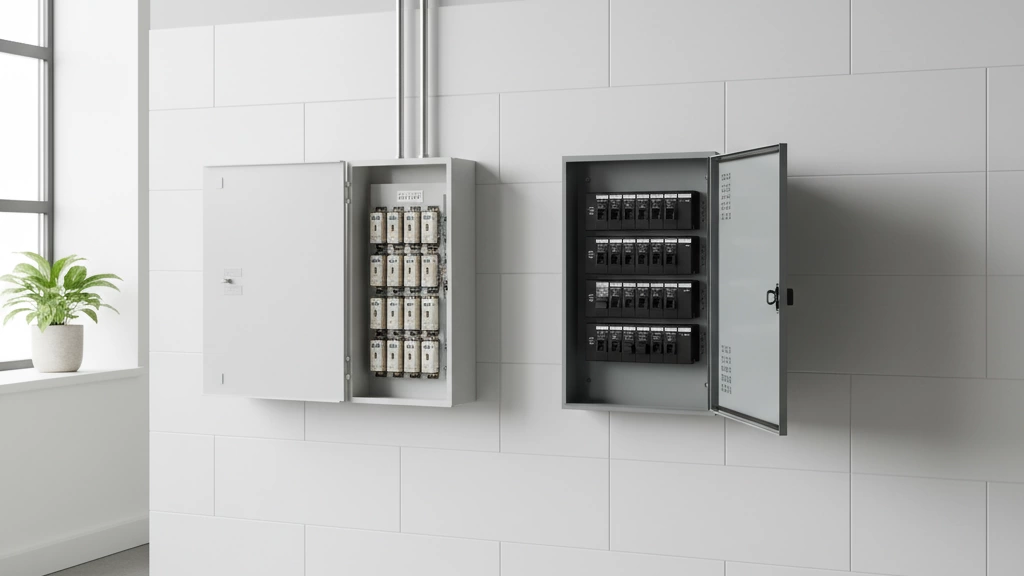
What Is a Fuse Box and How Does It Work? A fuse box is an older style of electrical panel that protects your home’s wiring by using fuses instead of modern circuit breakers. You’ll usually find it in a basement, garage, utility room, or near the electrical meter. Visually, a fuse box is: Older panels from brands like Sylvania, Zinsco, and […]
Read More