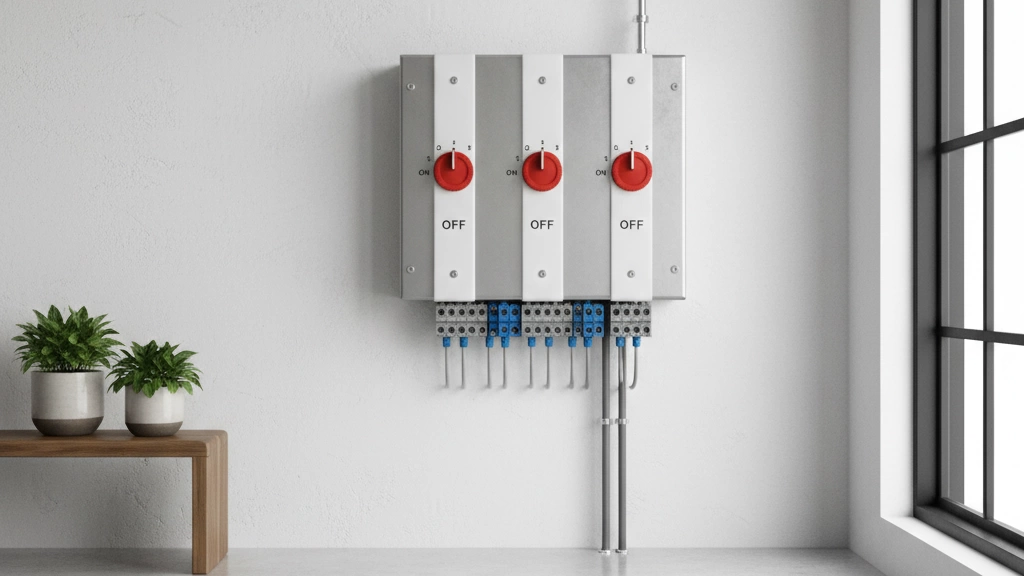
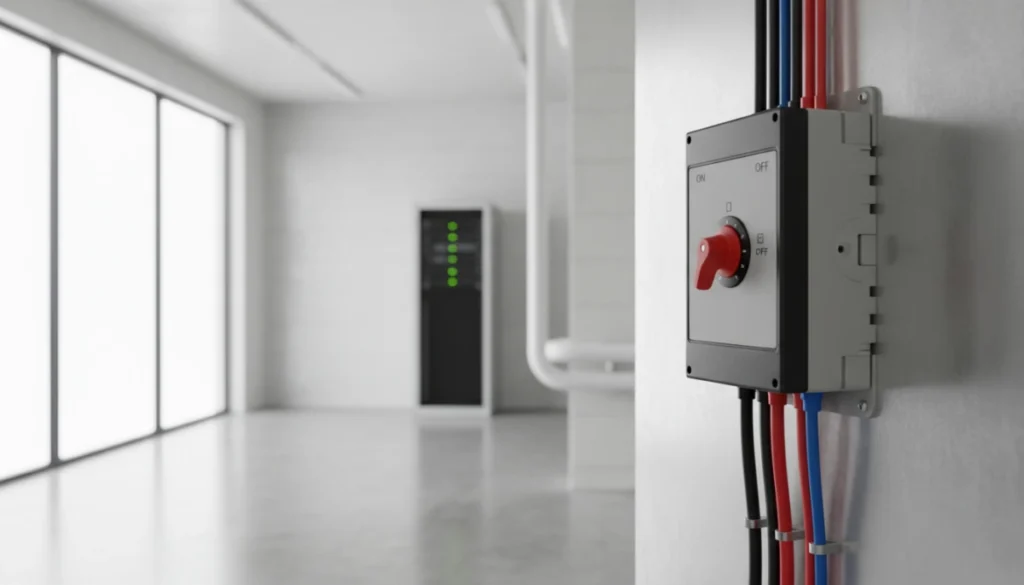
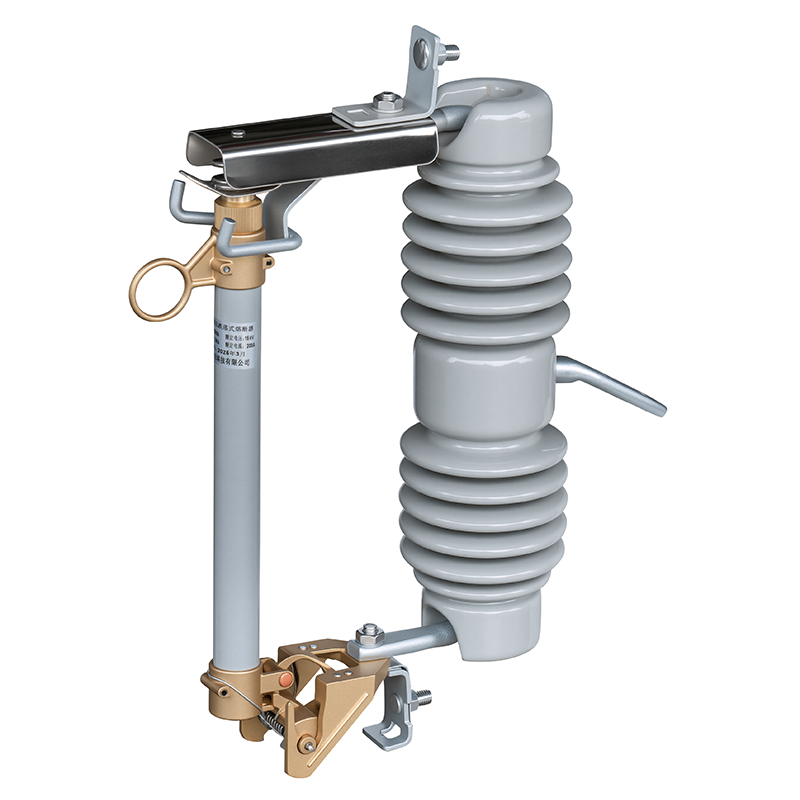
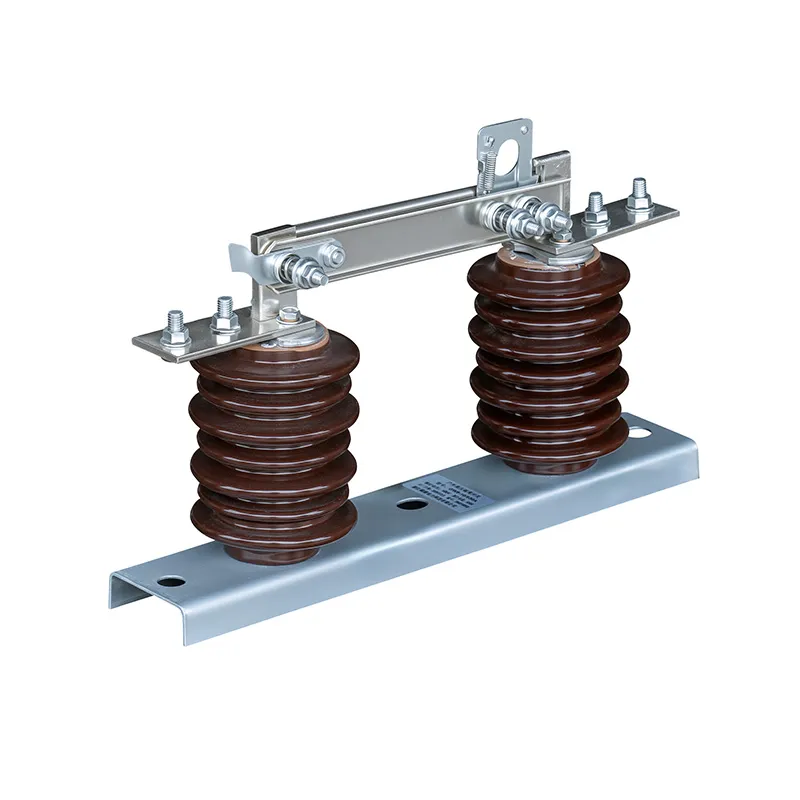
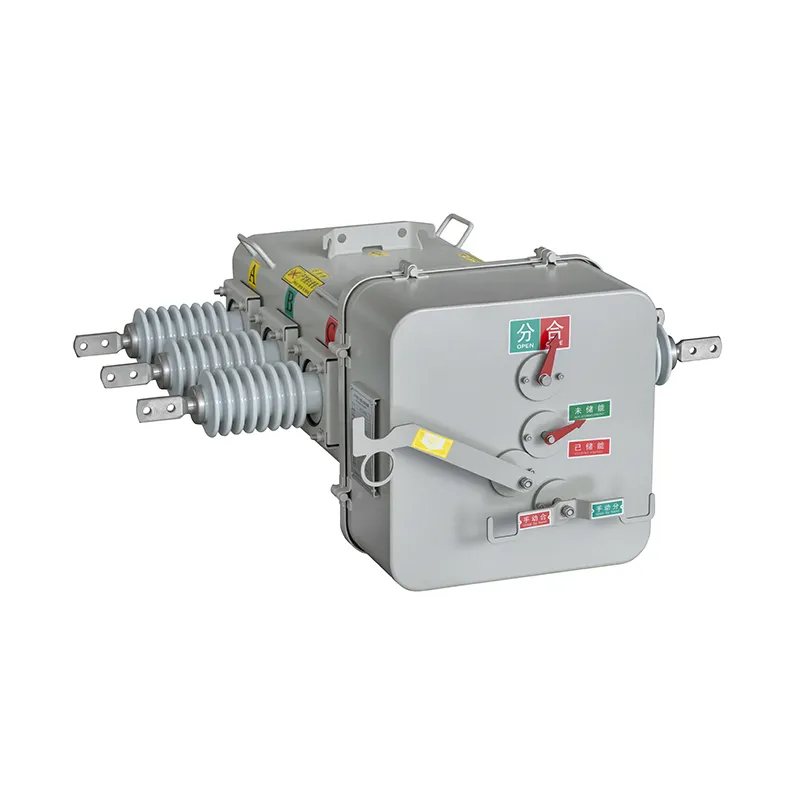
Switch isolators serve a critical role in electrical safety by providing positive isolation—a reliable and visible means to disconnect power for maintenance or emergency shutdown. This isolation is achieved through either an air gap or contact separation, ensuring no electrical continuity when switched off. The air gap typically offers a clear physical separation between contacts, enhancing safety by preventing accidental re-energizing.
Key Standards Ensuring Safety & Compliance
To guarantee performance and reliability, switch isolators adhere to international and regional standards, including:
BS EN 60947-3 (EU/UK): The primary standard for low-voltage switchgear and controlgear, defining requirements for switch disconnectors and safety switches.
IEC 60204-1: Focuses on safety of machinery electrical equipment, ensuring isolators used in industrial machines provide dependable isolation.
AS/NZS 3000: Australia/New Zealand wiring rules outlining installation and safety for electrical switch disconnectors in diverse environments.
Enhanced Safety Features
Modern isolators come equipped with visual break indicators, clearly showing when the circuit is open and power is safely isolated. Additionally, padlockable handles enable Lockout-Tagout (LOTO) procedures, preventing unauthorized or accidental operation during maintenance work, aligning with global safety frameworks like OSHA 1910.147.
Together, these core functions and standards ensure that cnsovio switch isolators are a trusted solution for safe, compliant, and visible isolation in a variety of industrial and commercial settings.
Types of Switch Isolators (With cnsovio Model Mapping)
Switch isolators come in several types to suit different power and environmental needs. Here’s a quick overview of popular types along with cnsovio’s matching models:
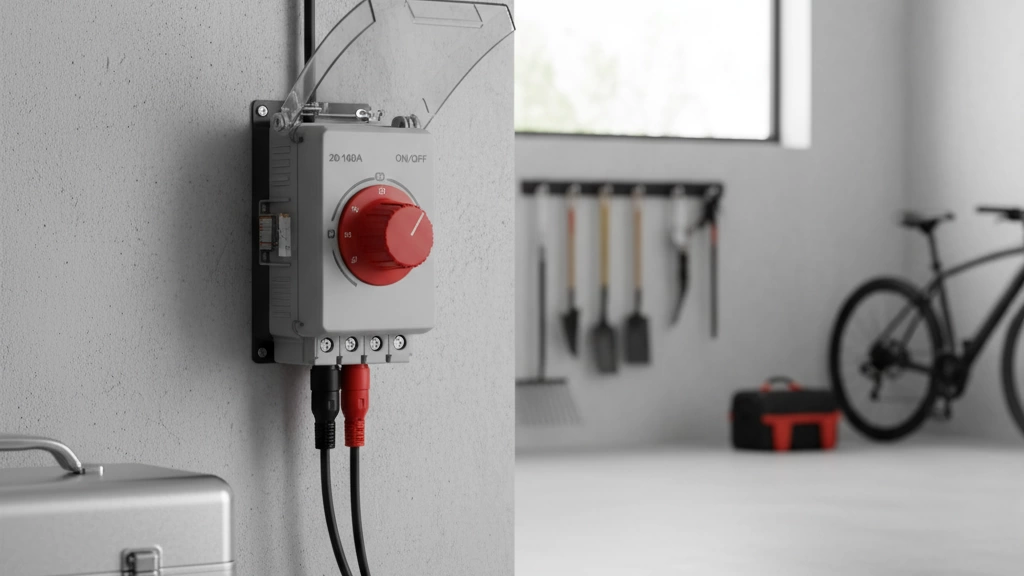
Rotary Switch IsolatorsThese are versatile for general use, offering 3 or 4-pole configurations with current ratings from 20 to 160A. Rated IP65, they’re weatherproof and reliable for panel or machine control. Model: cnsovio SV-ISO-63R
Knife-Blade IsolatorsHeavy-duty metal-clad disconnectors designed for higher currents (200–630A) and industrial environments. They provide clear physical separation for safe isolation. Model: cnsovio SV-ISO-400K
Load-Break SwitchesOffering 4 poles plus neutral, these switches handle 25 to 100A with IP66 protection, suitable for frequent switching under load without damage — great for motor control and industrial machinery. Model: cnsovio SV-ISO-100LB
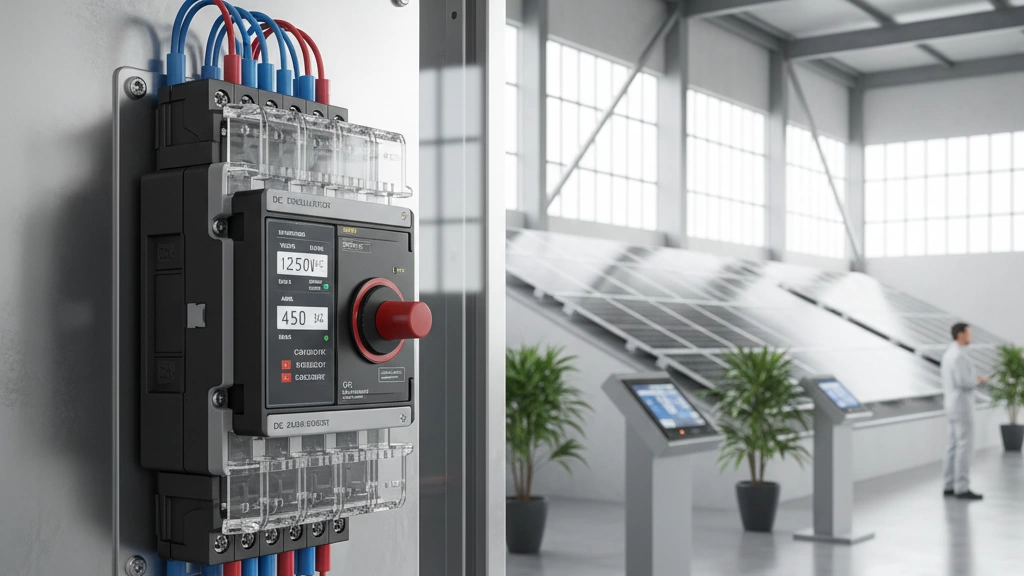
DC Solar IsolatorsSpecifically built for solar PV systems, these 2-pole isolators support 16 to 32A at up to 1000V DC. UV-resistant and designed to cope with harsh outdoor conditions, they ensure safe string isolation. Model: cnsovio SV-PV-1000V
Each style balances durability, safety, and compliance, making cnsovio isolators fit for a wide range of applications, from industrial MCC panels to solar installations.
Selection Criteria: 7-Point Checklist for Switch Isolators
Choosing the right switch isolator means checking key specs to match your application. Here’s a simple 7-point checklist you’ll want to cover:
Voltage RatingMake sure the isolator suits your system voltage—typically 230V AC for general use or up to 1000V DC for solar and specialized DC circuits.
Current & Short-Circuit Withstand (Icw)Confirm the isolator’s rated current matches your load, and it can handle short-circuit currents safely without damage.
IP/IK Rating for EnvironmentLook for IP (Ingress Protection) and IK (impact) ratings depending on where you install. For outdoor or harsh environments, IP65 or higher keeps moisture and dust out.
Utilization CategoryCheck the utilization category that fits your load type:
AC-22A for switching resistive and mixed loads
AC-23A for switching motor loads or more demanding inductive loads
DC-21B for DC breaking capacity, especially in solar PV setups
Mounting StyleDecide between panel mounting, DIN rail, or surface mount depending on your control cabinet setup and space.
Auxiliary Contacts for BMS IntegrationConsider isolators with auxiliary contact blocks if you plan to link to Building Management Systems (BMS) for status monitoring or remote control.
LOTO Compliance (OSHA 1910.147)Ensure your isolator supports Lockout-Tagout (LOTO) safety procedures with padlockable handles and clear visual indicators to protect maintenance personnel.
Covering these points will help you pick a switch isolator that fits your application, environment, and safety needs. For detailed product options compliant with these criteria, explore the cnsovio switch isolators range.
Application Deep-Dive: Switch Isolators in Key Sectors
Switch isolators play a critical role across various industries, ensuring safety and reliable power control.
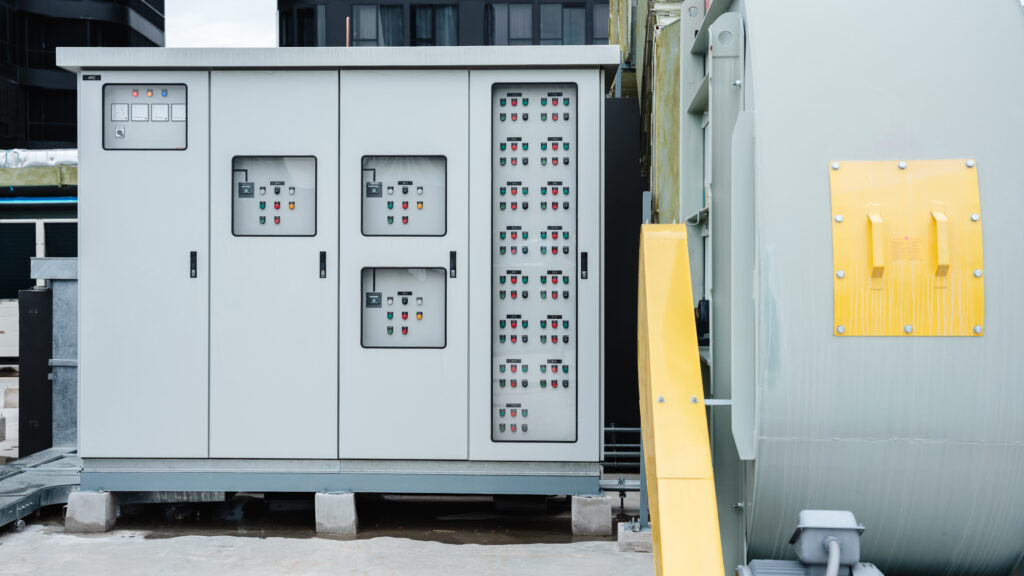
Industrial: In motor control centers (MCC), switch isolators are essential for safely disconnecting motors and equipment. They help reduce arc flash risks by providing a clear, visible break point, improving worker safety and meeting machinery safety standards like IEC 60204-1.
Solar PV: For solar installations, especially with high-voltage 1000V DC systems, cnsovio’s DC solar isolators (SV-PV series) offer robust string isolation. These isolators are UV-resistant and designed to handle harsh outdoor environments, helping maintain safe and efficient solar power operations.
Commercial: In commercial buildings, switch isolators are commonly used for HVAC systems and generator changeovers. Their reliable switching capability ensures uninterrupted service and easy maintenance without compromising safety.
Marine: Marine environments demand isolators with high ingress protection. cnsovio’s IP67-rated stainless steel switch isolators withstand humidity, salt spray, and vibration, making them ideal for shipboard electrical systems.
For installation tailored to your sector, consider these environment-specific needs and refer to industry standards to select the right isolator. For more on low-voltage switchgear applications, you can explore cnsovio’s guide to understanding low-voltage switchgear key features and applications.
Installation & Maintenance Best Practices
Proper installation and regular maintenance are key to keeping your switch isolator reliable and safe. Start by following the correct torque specifications when tightening terminals to avoid loose connections or damage. Make sure to size your cable lugs correctly based on the current rating – undersized lugs can overheat, while oversized ones may not fit securely.
An annual thermographic inspection is recommended to spot hotspots early. These infrared checks help detect loose contacts or overloads before they cause failures or safety hazards.
Watch out for common issues like contact pitting, which occurs from repeated switching and can increase resistance, and handle breakage caused by excessive force or wear. Early detection of these problems ensures your isolator stays safe and operational for longer.
Proper care and checks not only prolong equipment life but also help maintain compliance with safety standards like IEC 60204-1. For detailed product options suited for robust installation, check out our range of switch isolators designed with durability and ease of maintenance in mind.
cnsovio Switch Isolator Range Spotlight
cnsovio offers a versatile range of switch isolators designed to meet diverse electrical isolation needs with reliability and ease of use.
SV-ISO-R Series: This rotary isolator covers 20–160A ratings and features a distinctive red/yellow handle for clear ON/OFF visibility. It’s ideal for general industrial use and is built to withstand harsh environments.
SV-PV-DC Series: Specifically made for solar applications, this DC solar isolator supports up to 1000V DC and is MC4-compatible, making it perfect for PV string isolation in renewable energy setups.
Accessories: Enhance functionality with optional extended shafts for panel mounting flexibility, auxiliary blocks for signalling or BMS integration, and door interlocks for added safety compliance.
Warranty: cnsovio backs their switch isolators with a robust 5-year warranty, well above the typical 2-year industry standard, giving you added peace of mind.
These products blend compliance, performance, and user-friendly features, making cnsovio isolators a solid choice for demanding electrical isolation tasks. For deeper insights, check out the detailed specs and product range on the cnsovio low voltage switchgear analysis page.
Compliance & Certification Matrix
cnsovio switch isolators meet key international and regional compliance standards to ensure safety, reliability, and environmental responsibility. All models hold CE and UKCA markings, confirming conformity with EU and UK electrical regulations. Additionally, they comply with RoHS and REACH directives, which restrict hazardous substances and promote sustainable manufacturing.
To guarantee top quality and performance, cnsovio products undergo rigorous third-party testing by certified bodies like TUV and Intertek. This independent verification ensures our isolators meet or exceed industry requirements.
For easy comparison, we provide a detailed cross-reference table matching cnsovio isolators with equivalents from major brands like ABB, Schneider Electric, and Socomec. This helps customers confidently choose the right switch isolator for their application.
For more on product guarantees and standards, visit our about us page.
FAQs About Switch Isolators
Can a switch isolator replace an MCB?
No, a switch isolator is not designed to replace a Miniature Circuit Breaker (MCB). An isolator provides a positive isolation point for safe maintenance but does not offer overcurrent or short-circuit protection like an MCB does. Use both together for full safety in electrical systems.
What is the difference between AC-22A and AC-23A utilization categories?
AC-22A: Suitable for switching moderate loads, like motor circuits without heavy breaking duties.
AC-23A: Designed for heavy-duty switching, such as starting and breaking motor loads with higher inrush currents. Choose the right category based on your load type and switching frequency.
Are cnsovio isolators suitable for 1000V DC solar?
Yes, cnsovio offers DC solar isolators rated for up to 1000V DC, like the SV-PV-DC series. These are UV-resistant, come with MC4-compatible terminals, and meet stringent safety standards for solar PV systems.
How to perform lockout-tagout (LOTO) with cnsovio SV-ISO?
Turn off the switch isolator to fully isolate the circuit.
Use the padlockable handle feature to secure the switch in the OFF position.
Attach a lockout tag to warn others that work is in progress.
Confirm zero energy state before starting any maintenance. This ensures compliance with OSHA 1910.147 LOTO safety protocols.
These FAQs cover essential points to help you use switch isolators safely and effectively in your local electrical setups.
If you’ve ever wondered what keeps the power flowing safely and efficiently in factories or commercial buildings, low voltage switchgear is usually the unsung hero behind the scenes. Simply put, these are vital electrical distribution devices designed to control, protect, and isolate electrical equipment at low voltages, typically under 1,000 volts. Choosing the right low voltage switchgear […]
What is a Switch Isolator? A switch isolator, or high voltage disconnector, is a mechanical switching device used to isolate a specific part of an electrical circuit for maintenance or inspection. Unlike circuit breakers, we design these devices to operate under no-load conditions, ensuring that a circuit is physically and safely disconnected from the power source. Mechanical Switching […]
What Is a Switch Disconnector and How Does It Work? When we design electrical panels, safety is our primary concern. A switch disconnector, often referred to as an isolating switch or main switch isolator, is a robust mechanical device used to manually open and close a circuit. Unlike a simple switch, it provides a certified “isolation” function, ensuring a […]
We use cookies to enhance your browsing experience, serve personalised ads or content, and analyse our traffic. By clicking "Accept All", you consent to our use of cookies.