If you’re not sure whether you have an old electrical fuse box or a modern breaker panel, you’re not alone. A lot of homeowners discover they still have a fuse box only when something trips or an inspector points it out. Let me walk you through how to spot one quickly and safely.
What an Old Fuse Box Looks Like
Most older fuse panels have a very distinct look. When you open the metal door, you’ll usually see:
Screw‑in fuses
Round, glass or ceramic “plugs” that twist in like light bulbs
Often labeled 15A, 20A, or 30A
Sometimes different color rings for different amp ratings
Ceramic fuses
Solid white or off‑white ceramic bodies
May be cylindrical or plug‑style
Often used in older European-style or specialty boxes
Pull‑out fuse cartridges
Rectangular “handles” you pull out to kill power to big appliances
Usually marked for range, dryer, AC, or main
Inside the handle is a cartridge fuse that can blow and need replacement
If you see round screw‑in fuses or pull‑out handles instead of switch-style breakers, you’re looking at an old fuse box.
Where Fuse Boxes Are Usually Located
In older homes, fuse panels are often tucked away. Common locations include:
Basement – on a foundation wall near where the power line enters
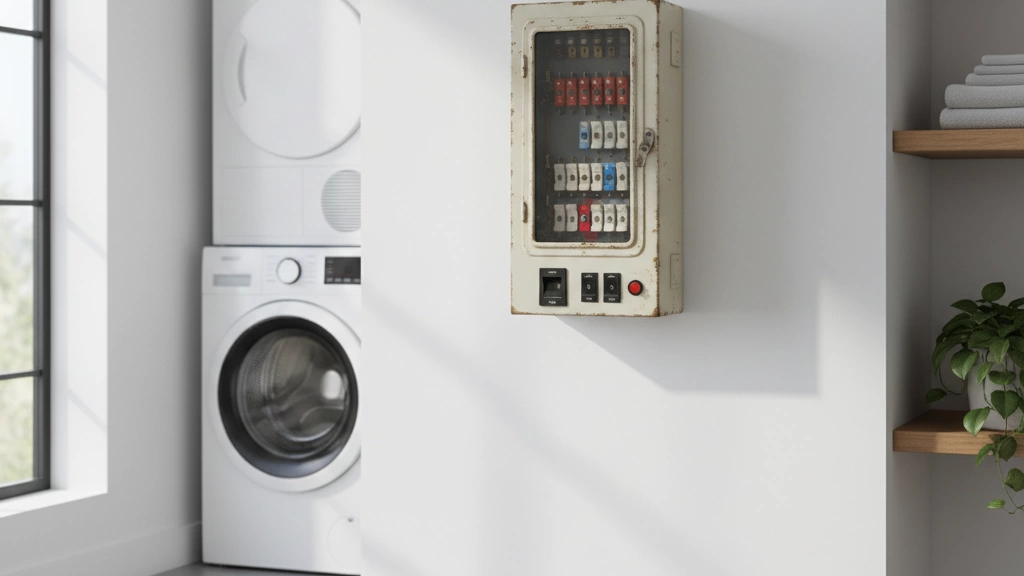
Laundry room or utility room – near the water heater or furnace
Garage – on a side wall or near the back door
Closet or hallway – especially in small or mid‑century homes
Porch or entry area – sometimes mounted on a wall near the front door in very old homes
If you have multiple “mystery” metal boxes, the main fuse box is usually the one with the thickest wires entering from above or below and the largest meter or main disconnect nearby.
How to Tell the Age of Your Electrical Service
You can get a rough idea of how old your system is by looking at:
Main service size
30 amp or 60 amp service is a strong sign your system is pre‑1960s
Many old house fuse box setups are 30A or 60A, which is far below today’s standard
Modern homes typically have 100 amp or 200 amp service
Labeling and style
Faded, handwritten circuit labels or no labels at all
Older fonts, logos, and metal tags
Thick cloth‑covered or metal‑sheathed cables feeding into the box
Clues around the house
Lots of two‑prong outlets (no ground)
No GFCI outlets in kitchens, bathrooms, or outside
No central AC when the house was built
These are all hints you’re dealing with an outdated electrical panel and likely an old fuse system.
Old Fuse Box Brands and Labels to Look For
Certain brands and labels show up repeatedly in older electrical panels. Some have known safety concerns:
Federal Pacific Electric (FPE) – Look for “Federal Pacific” or “Stab‑Lok” on the door or breakers
Zinsco / Sylvania Zinsco – Often has a distinctive colored breaker row and the Zinsco nameplate
Pushmatic – Uses push‑button style breakers instead of levers
Bryant, Wadsworth, Bulldog, ITE – Older brands that may show up on fuse or breaker panels
If you see Federal Pacific, Zinsco, or Pushmatic on your panel, treat it as a serious sign you should have the system evaluated. At cnsovio, we strongly recommend a professional safety check for these brands due to long‑documented issues.
Fuse Box vs Breaker Panel: How to Tell the Difference
You don’t need to be an electrician to tell a fuse box vs breaker panel apart. Use this quick checklist:
You likely have a fuse box if:
You see round screw‑in fuses or ceramic fuses
There are pull‑out cartridges labeled for big appliances or “Main”
There are no switch-style breakers to flip on and off
The panel looks smaller, older, and often has thicker, older-style wiring
You likely have a modern breaker panel if:
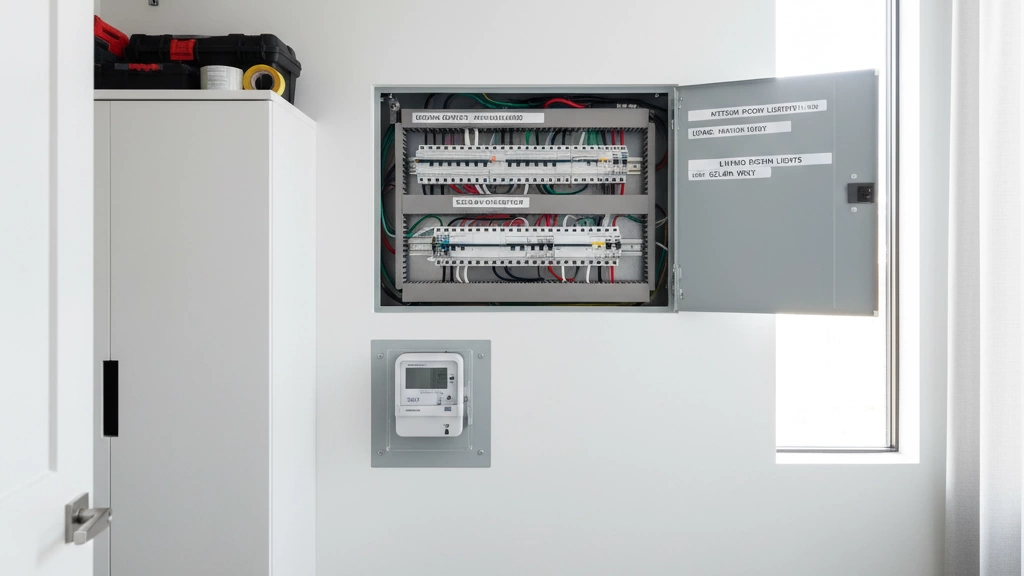
You see rows of rectangular switches (breakers) that flip left/right or up/down
Larger breakers at the top or bottom are labeled Main or Main Disconnect
The panel is labeled 100A, 125A, 150A, or 200A on the inside door
The brand is something like Square D, Siemens, Eaton, GE, Leviton with modern logos
Simple test: If changing what “tripped” means unscrewing something instead of flipping a switch back on, you’re dealing with an old electrical fuse box.
When we inspect a home, identifying the panel type is always the first step. Once you know what you have, you can decide whether it’s just old or actually unsafe – and whether it’s time to plan a fuse box replacement with a modern breaker panel.
Dangers of an Old Electrical Fuse Box
Why old 30–60 amp fuse boxes are a fire risk
Old electrical fuse boxes in the 30–60 amp range were never designed for today’s power use. Modern homes run TVs in every room, computers, EV chargers, air conditioning, microwaves, and more—often all at once. When you push that kind of load through an old 60 amp fuse box, you get:
Chronic overloads on circuits
Overheated wires and connections
Fuses running at their limit for hours, not just during a quick surge
That heat is what starts fires inside panels, walls, and junction boxes. Even if the fuses don’t blow, the insulation and metal parts can slowly cook over time.
How overloading destroys old fuse panels
Every time a circuit is overloaded, the weak points in an old fuse panel take the hit:
Lugs and terminals loosen from repeated heating and cooling
Fuse holders crack or lose tension, causing arcing
Corrosion builds up, which increases resistance and heat
This creates a nasty cycle: more resistance → more heat → more damage → higher fire risk. If a screw‑in fuse keeps blowing and you just keep replacing it, the panel can be quietly getting worse behind the cover.
Missing modern safety features
Even if your old electrical fuse box “still works,” it’s missing safety tech that’s standard now:
No GFCI protection at the panel for shock safety in bathrooms, kitchens, and outdoors
No AFCI protection to detect dangerous arc faults before they turn into a fire
Questionable or no grounding in older systems, especially with two‑prong outlets
In a modern breaker panel, you can get combination AFCI/GFCI breakers that dramatically cut fire and shock risk—old fuse boxes simply can’t match that.
Problem brands: Federal Pacific, Zinsco, Pushmatic and more
Certain older panels have well‑documented safety issues:
Federal Pacific (FPE) – Known for breakers that fail to trip during overloads and short circuits. Many insurers treat these as a serious fire hazard.
Zinsco – Common problems include bus bars burning or melting and breakers that lose contact but look “on.”
Pushmatic – Unique push‑button design that can stick, become hard to reset, and fail to trip reliably as they age.
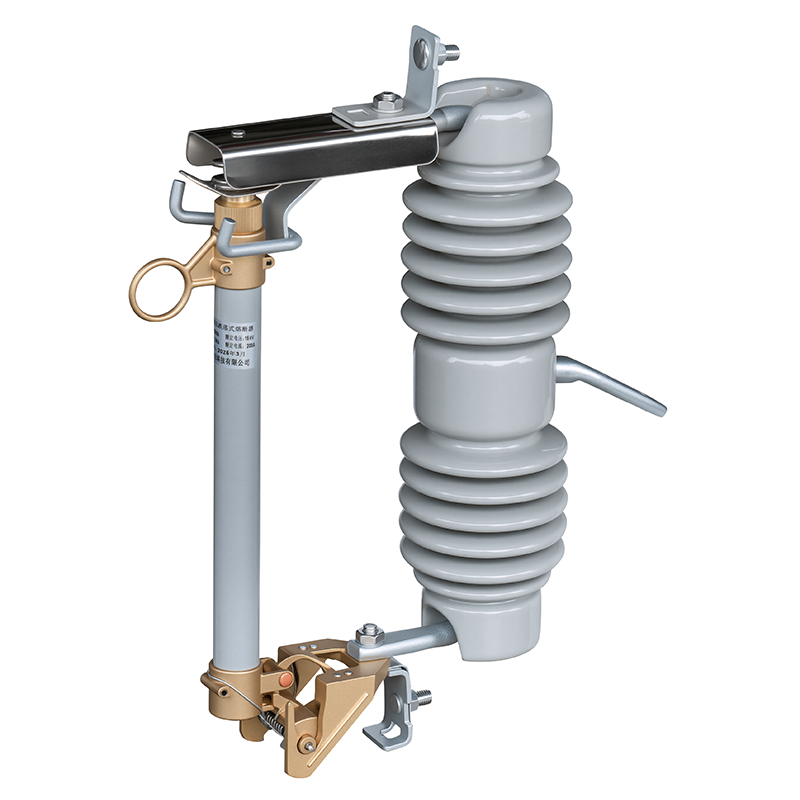
If you see any of these brand names on your main electrical panel or fuse box label, treat it as a priority upgrade. The same principle applies across electrical gear: we design our own high‑voltage protection products, like the RW12 high‑voltage fuse, to interrupt faults quickly and cleanly—those older residential panels simply don’t perform to that standard anymore.
Insurance and resale problems
An outdated fuse box doesn’t just affect safety; it hits your wallet:
Home insurance
Some insurers refuse to write new policies on homes with old fuse panels or Federal Pacific/Zinsco panels.
Others will raise premiums or require you to upgrade the panel within a set time.
Home resale value
Buyers’ inspectors routinely flag old electrical fuse boxes as a major concern.
Expect lower offers or requests for a seller credit or panel replacement before closing.
A modern 100 amp or 200 amp breaker panel is now a baseline expectation in many markets.
If your fuse box is old, undersized, or a problem brand, it’s not just “old tech”—it’s a direct safety risk and a liability when you go to insure or sell your home.
Warning Signs Your Old Electrical Fuse Box Is Not Safe
If you’re living with an old electrical fuse box, you can’t afford to guess about safety. Here are the real-world warning signs I tell homeowners to watch for.
Everyday Symptoms of an Overloaded or Failing Fuse Box
An old house fuse box is often running way more load than it was ever designed for. Common overload symptoms:
Lights dimming when you plug things in
Warm or hot fuses after normal use
Plugging in one more appliance and everything on that circuit dies
Power tools or hair dryers tripping fuses constantly
If your daily routine includes “resetting” power by changing fuses, your panel is likely undersized or failing.
Frequent Blown Screw‑In Fuses
If a screw‑in fuse keeps blowing:
It usually means the circuit is overloaded or there’s a fault, not just “bad luck”
Replacing it with a higher‑amp fuse is dangerous and a major fire risk
Using adapters or “cheaters” to fit larger fuses is a red flag for insurance and inspectors
Frequent blown fuses are one of the clearest signs you need a new electrical panel or a professional load check.
Flickering or Dimming Lights
Flickering or dimming lights when major appliances run (AC, space heaters, microwaves, vacuums) can mean:
Your old 30–60 amp service is at its limit
Loose or corroded connections in the fuse box
Voltage drop from undersized or deteriorated wiring
If lights change brightness when big loads start, get the panel checked—this is classic outdated electrical panel fire risk.
Hot, Buzzing, or Discolored Fuse Box
Walk up to your old electrical fuse box and look for:
Heat: cover or surrounding wall feels warm or hot
Noise: buzzing, crackling, or humming from the panel
Discoloration: yellowed plastic, rust, or darkened labels
Heat and noise usually mean loose connections or failing components. That’s not “old house charm”—that’s a potential fire hazard.
Burning Smell, Scorch Marks, or Melted Plastic
These are urgent warning signs:
Burn or scorch marks on the fuse box cover or around fuses
Black or brown discoloration near terminals
Melting plastic smell or “hot electronics” odor
If you see or smell any of this, shut off power to the panel if you can do so safely and call a licensed electrician immediately. This is serious fuse box fire hazard territory.
Two‑Prong Outlets and Too Many Extension Cords
Two-prong outlets and heavy extension cord use usually mean:
Old wiring without proper grounding
Circuits never designed for today’s plug‑in load
Multiple high‑draw devices crammed onto one old fuse circuit
Signs to take seriously:
Power strips daisy‑chained together
Extension cords running behind furniture or rugs
Space heaters, window AC units, or microwaves on extension cords
This combo—old fuse box, two-prong outlets, and lots of cords—is exactly what many insurers flag as outdated electrical panel fire risk.
Planning Renovations, EV Chargers, or New HVAC? Big Red Flag.
If you’re thinking about adding:
An EV charger
A new central AC or heat pump
Electric range, tankless water heater, or hot tub
A home office with lots of equipment
Solar and smart home gear
…an old 30–60 amp fuse box is almost always a deal-breaker. You’ll need more capacity and a modern breaker panel to safely handle these loads and meet code and insurance requirements.
If you’re already at this stage, it’s time to talk seriously about upgrading from an old fuse box to a breaker panel. A proper distribution setup—like the modern outdoor low-voltage power distribution solutions we build into projects—gives you safer, expandable power for today’s and tomorrow’s loads.
Fuse Box vs Breaker Panel
If you’re living with an old electrical fuse box, it helps to know exactly how it compares to a modern breaker panel so you can plan your next move.
Key Differences: Fuse Box vs Breaker Panel
Fuse box (old)
Uses screw‑in fuses or pull‑out cartridges
Lower capacity (often 30–60 amps)
Easy to misuse (oversized fuses, “penny behind the fuse” tricks)
Harder to add new circuits for big loads
Usually no room for smart tech, EVs, or solar
Breaker panel (modern)
Uses resettable circuit breakers
Standard capacity today: 100 amp or 200 amp service
Built for high‑demand homes, EV chargers, solar, and smart loads
Side‑by‑Side Comparison
Feature
Old Fuse Box
Modern Breaker Panel
Typical Service Size
30–60 amps
100–200 amps
Overload Protection
Fuse melts once
Breaker trips, can be reset
Safety Features
Very limited
GFCI, AFCI, surge, better grounding
Convenience
Must replace fuses
Flip breaker back on
Expansion Room
Usually maxed out
Space for new circuits and upgrades
Smart Home / Solar / EV
Rarely suitable
Designed to support high‑demand systems
Why Most Homes Upgrade to 100 Amp or 200 Amp
Modern homes pull far more power than a 1950s layout ever planned for. Common drivers for 100 amp vs 200 amp service upgrades include:
Central HVAC (heating and cooling)
Electric ranges, ovens, and dryers
EV chargers (often 40–60 amps each)
Hot tubs, pools, and workshops
Future‑proofing for solar, batteries, and smart panels
For many households, 100 amps is the minimum; 200 amps is the sweet spot if you want room to grow without stressing the system.
How Breakers Handle Overloads vs Screw‑In Fuses
Fuses:
Thin metal element melts when overloaded
Must be replaced every time
Easy to install the wrong size and create a fire risk
Breakers:
Internal mechanism trips on overload or short
Designed to be reset after the issue is fixed
Available in smart, GFCI, and AFCI versions for extra protection
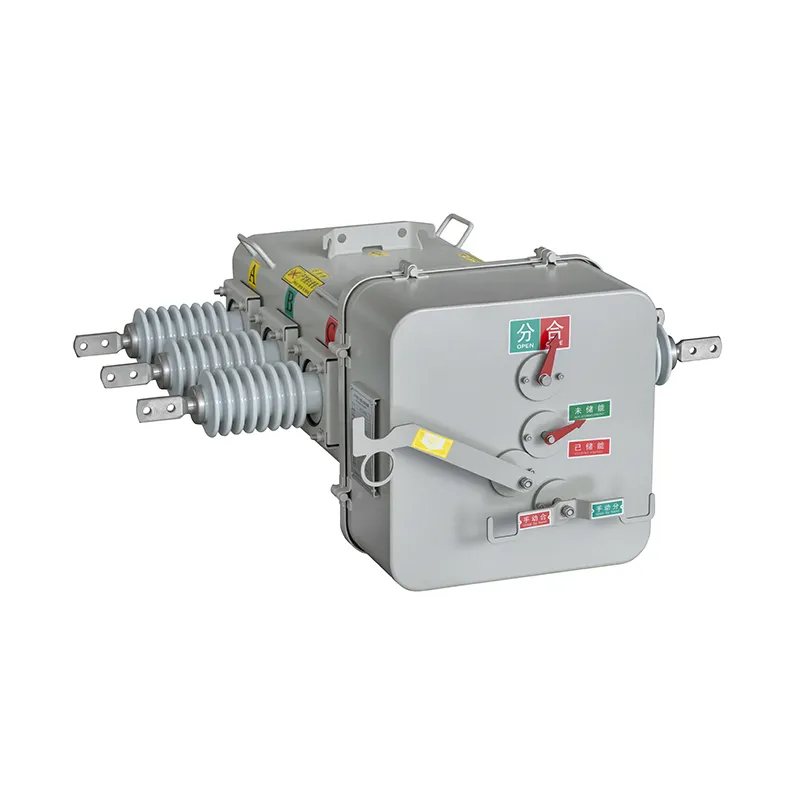
In industrial and utility settings, we use high‑reliability gear like outdoor high‑voltage vacuum circuit breakers and SF₆ gas‑insulated breakers—the same core idea: fast, predictable interruption of dangerous faults, but scaled up for medium‑ and high‑voltage networks (see our medium‑voltage breaker solutions for how this works at grid level).
Benefits for Smart Homes, Solar, and EV Chargers
A modern breaker panel is almost required if you want to:
Install a Level 2 EV charger
Add solar panels or battery storage
Run heat pumps, mini‑splits, or multiple AC units
Use smart breakers and energy monitoring
Safely power home offices, gaming setups, and workshops
If your old electrical fuse box is already struggling with basic loads, it simply won’t keep up with EV chargers, solar inverters, or high‑demand appliances. That’s why upgrading the panel is usually the first step before you invest in any major electrical upgrade.
Safety and Code Issues With an Old Electrical Fuse Box
If you’re still running an old electrical fuse box, you’re dealing with more than just “old tech” – you’re up against safety, code, and insurance issues that can hit your wallet hard.
How Electrical Code Treats Old Fuse Boxes
Most electrical codes (like the NEC in the US and similar standards globally) don’t force you to rip out a working old fuse box just because it’s old. But:
Any new work must meet current code. The moment you add circuits, upgrade service, or remodel, that old panel is judged by today’s rules, not 1950’s standards.
Lack of grounding, GFCI, and AFCI protection is a major red flag under modern code.
Panels with known failure or fire history (Federal Pacific, Zinsco, some Pushmatic systems) are commonly treated as inherently unsafe, even if they technically still “work.”
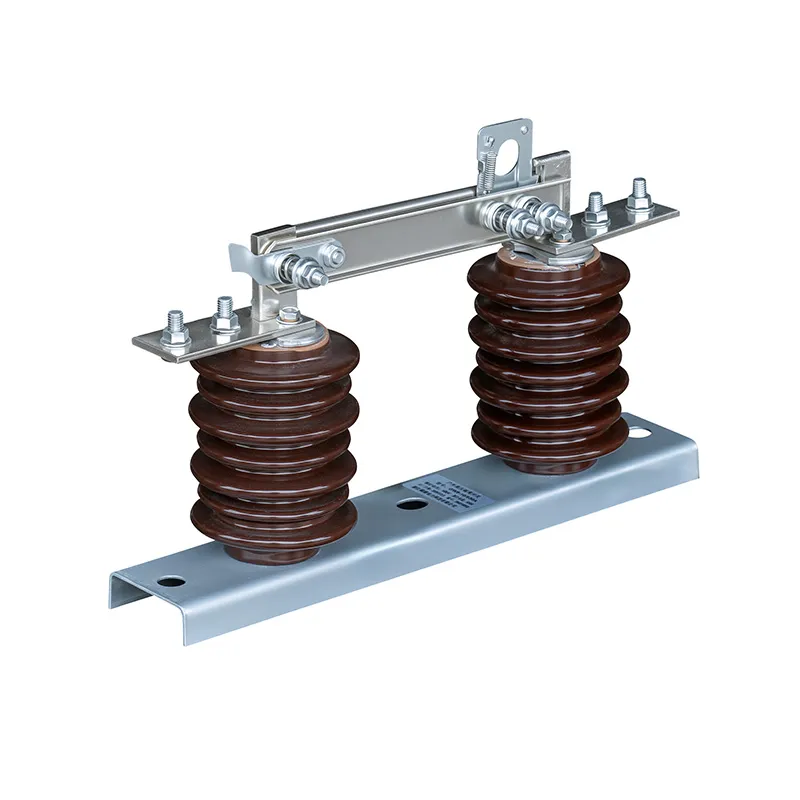
In modern distribution systems, utilities and engineers now expect safer, more reliable gear end‑to‑end, from the service panel in the home all the way up to high‑voltage isolator switches and other protective devices upstream.
When an Old Fuse Box Becomes a Code Violation
An old panel is typically considered a problem (not just “outdated”) when:
It can’t safely handle the home’s actual load (for example, a 30–60 amp service feeding EV chargers, large HVAC, or electric ranges).
Oversized fuses (“I put in a 30A fuse so it stops blowing”)
Penny or foil behind a fuse
Fuse adapters that let you screw in a larger fuse
The panel shows clear manufacturer defects or recalls (Federal Pacific, Zinsco, and similar).
Once you do a major renovation or service upgrade, inspectors will often insist that the fuse box be replaced with a modern breaker panel that meets current requirements.
Insurance Rules About Old Fuse Boxes
Insurers care less about how “inconvenient” your old electrical fuse box is and more about fire risk and potential claims:
Some insurers refuse to write new policies on homes with fuse boxes or known problem panels (Federal Pacific, Zinsco).
Others will insure you but:
Charge higher premiums
Require a panel upgrade within a set timeframe
Ask for an electrician’s safety report before binding coverage
If a fire is tied to obvious neglect or dangerous modifications (oversized fuses, burnt wiring you never fixed), you risk claim disputes.
Home Inspections and Fuse Boxes During a Sale
When you sell a house, a home inspector will almost always:
Note an old electrical fuse box as a “safety concern” or “recommended upgrade.”
Call out known hazardous brands and outdated wiring (knob and tube + fuse box is a big red flag).
Flag missing grounding, GFCI, and AFCI protection.
Buyers and their lenders pay attention. That often leads to:
Requests for seller credits or price cuts
Required panel upgrades before closing in some markets
Extra scrutiny from appraisers and insurance underwriters
Risks of DIY Mods: Oversized Fuses and Fuse Adapters
This is where things go from “old” to dangerous:
Oversizing fuses (using a 30A fuse on a 15A circuit) means the fuse might not blow when it should. The wiring overheats instead – that’s how house fires start.
Fuse adapters and cheater plugs let you install bigger fuses than the circuit was designed for. That completely defeats the protection the fuse box is supposed to provide.
Homemade repairs (taped-up connections, random wire splices, non-matching parts) are an instant fail point for both safety and code.
If you’re seeing repeat issues at your old electrical fuse box, the answer is not a bigger fuse. It’s a proper inspection and, in many cases, a planned upgrade to a modern breaker panel that actually matches how you live today.
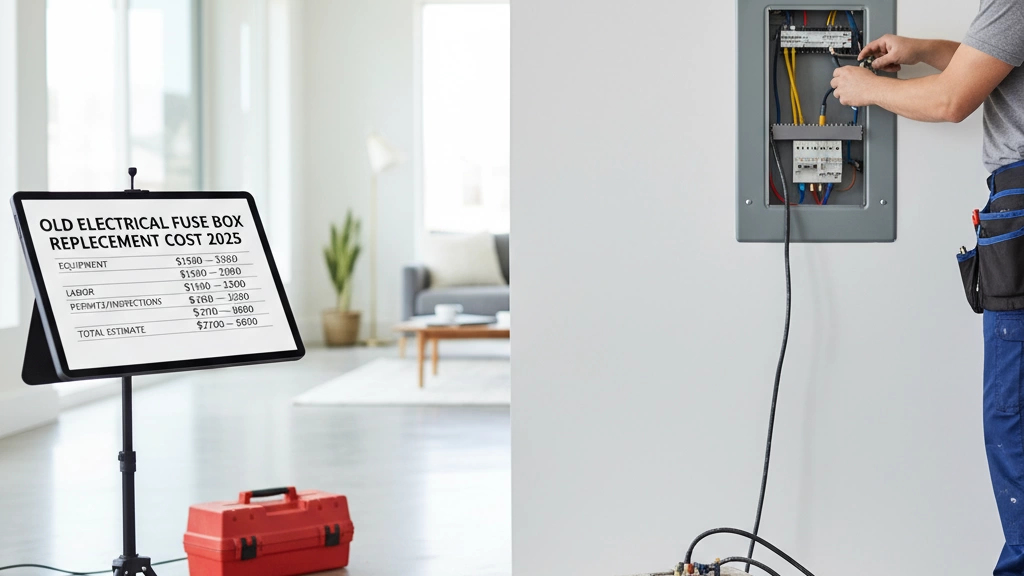
Costs to Replace an Old Electrical Fuse Box in 2025
Upgrading an old electrical fuse box to a modern breaker panel in 2025 isn’t cheap, but it’s one of the highest‑impact safety upgrades you can make.
Typical Price Range (2025)
Most homeowners can expect:
Scope of Work
Typical 2025 Price Range*
Simple panel swap (same location, no major rewiring)
$1,500 – $3,000
Panel + meter + main disconnect upgrade
$2,500 – $4,500
Full service upgrade (e.g., 60A → 100A/200A)
$3,000 – $6,500
Panel upgrade + partial rewiring
$5,000 – $10,000+
Whole‑house rewiring from fuse box
$10,000 – $25,000+
*Ranges in USD and will vary by region and home size.
What Drives the Cost?
Key factors that move the price up or down:
Amperage size
60A → 100A: cheaper, often enough for small homes.
100A → 200A: more expensive, but ideal for EVs, electric ranges, heat pumps, etc.
Panel brand and quality
Standard brands: more budget‑friendly, easy to find parts.
Premium or specialty panels (smart/whole‑home energy management): higher upfront cost.
Labor rates
Big cities and high‑cost areas = higher hourly rates.
Complex layouts or tight spaces (finished basements, brick walls) take longer.
Permits & inspections
Electrical permits, utility coordination, and inspections are mandatory in most areas and add to the bill.
Location of the panel
Moving the panel to a new wall or floor is more work than a straight swap.
Simple Panel Swap vs Full Service Upgrade
Simple panel swap (least expensive):
Same amperage (e.g., 100A → new 100A panel).
Existing meter and service entrance cable stay.
Minimal changes to existing branch circuits.
Full service upgrade (more expensive, but future‑proof):
New panel, new main breaker, new meter base.
New service entrance cable from utility connection.
Common when upgrading from 30–60A fuse boxes to 100A or 200A modern service.
Expect a full service upgrade to be $1,000–$2,500 more than a basic panel swap.
When Rewiring Adds to the Cost
The panel is only part of the system. Costs jump when:
You have old wiring (knob and tube, brittle cloth‑covered cable).
Multiple circuits are ungrounded or double‑tapped.
You’re adding new dedicated circuits for:
EV chargers
Heat pumps / mini‑splits
Electric ranges or dryers
Home offices or workshops
Partial rewiring (kitchen, bath, EV circuit) can easily add $2,000–$5,000+. Whole‑house rewiring is a bigger project and is priced like a separate job.
100 Amp vs 200 Amp Service Upgrade Cost
Rough guide for 2025:
Upgrade Type
Typical Range (Panel + Service)
60A → 100A
$3,000 – $5,000
60A → 200A
$4,000 – $6,500+
100A → 200A
$3,500 – $6,000+
A 200A service usually adds $500–$1,500 over a comparable 100A job, but it’s the better choice if you plan:
EV charging
Solar
Hot tub / sauna
Multiple large electric appliances
Ways to Save Money (Without Cutting Safety)
You can control cost without cutting corners:
Plan the long term Install 200A once instead of upgrading twice in 10 years.
Bundle work Add needed circuits (EV, kitchen, HVAC) during the panel upgrade while the electrician is already there.
Get 2–3 detailed quotes Make sure each quote shows:
Amperage size
Brand/model of panel
What’s included (meter, grounding, permits, patching)
Ask about rebates / incentives Some areas offer:
Energy‑efficiency or electrification rebates for service upgrades tied to heat pumps, EV chargers, or solar.
Possible grid modernization programs via your utility.
Financing Many contractors offer payment plans or partner financing for larger upgrades.
For large or commercial power systems, we design and supply complete high‑voltage solutions, from switchgear and distribution equipment to specialized components that tie safely into your upgraded service.
How a New Breaker Panel Can Help Insurance
A modern breaker panel can directly help your insurance profile:
Reduced fire risk Replacing known problem panels (Federal Pacific, Zinsco, Pushmatic) removes a major red flag.
Better eligibility Some insurers will:
Refuse coverage or add exclusions for old fuse boxes.
Require an upgrade as a condition of renewal.
Lower premiums or better coverage After upgrading, you may:
Qualify for standard rates instead of “high‑risk” pricing.
Get better terms when combined with other safety upgrades (GFCIs, smoke detectors, updated wiring).
Always let your insurance company know once the old electrical fuse box is replaced. Provide:
The electrician’s final invoice
Permit/inspection sign‑off
Panel model and amperage
That documentation helps prove the risk is lower—and can pay off over time in premium savings.
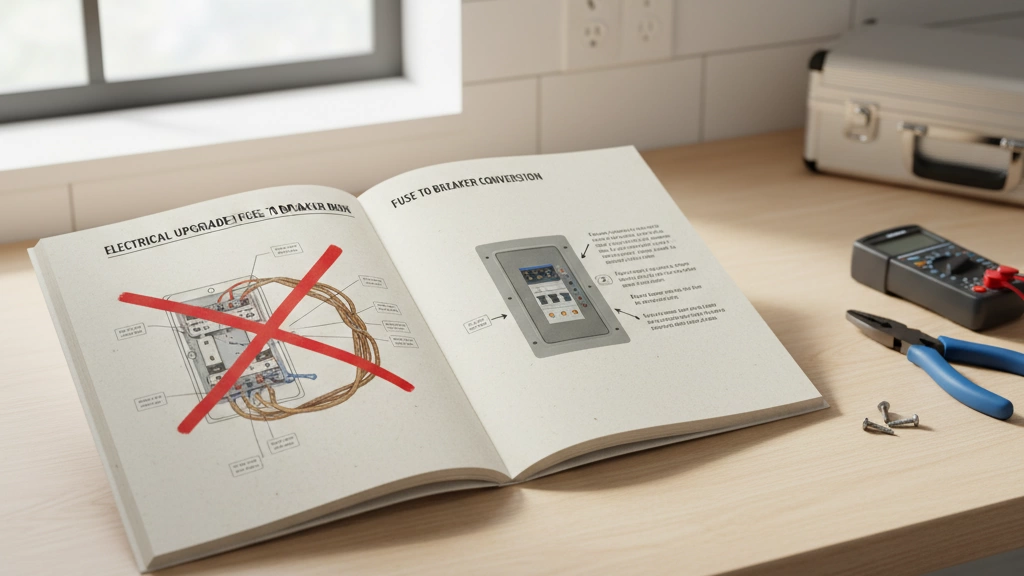
What Happens During an Old Electrical Fuse Box Upgrade
Upgrading an old electrical fuse box to a modern breaker panel is a pretty straightforward project when it’s planned right. Here’s what usually happens, step by step, so you know what to expect at home.
Step‑by‑Step Fuse Box Replacement Process
Most licensed electricians will follow a clear process:
Initial visit & quote
Inspect your existing old electrical fuse box and main service.
Ask how you actually use power (EV charger, home office, AC, electric range, etc.).
Discuss 100 amp vs 200 amp service and where the new panel will go.
Provide a written estimate and proposed timeline.
Planning & scheduling
Lock in the panel size, brand, and any add‑ons (surge protection, EV-ready space, solar-ready spaces).
Schedule the work on a day when you can be without power for several hours.
Initial Inspection & Load Calculation
Before touching anything, the electrician needs to be sure the new panel can safely handle your real‑world load:
Load calculation
Count existing circuits, major appliances, and future plans (EV, mini‑splits, hot tub, etc.).
Use NEC (National Electrical Code) formulas to size the new service (often 100–200 amps).
System check
Look for outdated wiring (knob and tube, aluminum, brittle insulation).
Check grounding and bonding.
Note any obvious hazards: burnt fuses, overloaded circuits, double‑lugged wires.
If you’re working with a company that also handles larger power systems, they may bring in the same kind of analysis they use for low‑voltage switchgear and distribution gear to make sure the new panel is sized correctly and future‑proof.
Permits, Utility Coordination & Safety Checks
Before work starts, there’s paperwork and coordination:
Permits
The electrician pulls the electrical permit from your local authority.
Plans must meet current electrical code and local rules.
Utility coordination
The power company is notified so they can disconnect and later reconnect service.
In some areas, the utility must approve moving the meter or upgrading to 200 amp service.
Safety prep
Confirm clear working space around the panel.
Verify proper grounding plan and bonding before the swap.
Prepare materials and a temporary safety plan for your home.
How Long You’ll Be Without Power (and Temporary Options)
For a typical old house fuse box replacement:
Power‑off window
Most panel swaps take 4–8 hours of full power shutoff.
A full service upgrade and meter work can push it to a full day.
Temporary power options
Small battery backup or generator to keep Wi‑Fi, phones, or a fridge running.
If you’re running critical medical equipment, talk with your electrician in advance.
Many pros will help you plan exactly what needs to stay on and what can be off for the day.
What Electricians Do With the Old Fuse Box and Wiring
On install day, here’s what happens to the old electrical fuse box:
Safe shutdown
Utility shuts off power at the meter, or the main disconnect is opened.
Remove the old fuse box
Pull out screw‑in fuses, pull‑out cartridges, and old bus bars.
Remove the old steel or ceramic fuse box enclosure.
Panel swap and wiring
Install the new breaker panel and main breaker.
One by one, move circuits over, shortening or repairing old wires as needed.
Replace damaged, undersized, or improperly spliced conductors.
Add proper grounding and bonding to meet current code.
If you have very old wiring, the electrician will tell you where a simple panel swap is enough and where you really need rewiring. In some cases, especially with complex or high‑demand systems, it’s worth having someone who understands both residential panels and more advanced low‑voltage switchgear applications to keep everything coordinated.
Final Inspection, Labeling & Testing
After the new breaker panel is in place:
Circuit labeling
Every breaker is labeled clearly: “Kitchen outlets,” “Living room lights,” “Dryer,” “EV charger,” etc.
Testing
Power is restored.
The electrician tests:
Every breaker for proper operation.
Representative outlets and lights on each circuit.
GFCI/AFCI protection where required (bathrooms, kitchen, laundry, exterior, bedrooms).
Official inspection
The city or county inspector reviews the work.
Once approved, the upgrade is officially signed off.
Warranties, Documentation & What to Keep
A clean electrical panel upgrade comes with paperwork you should keep forever:
What you should receive
Copy of the permit and final inspection approval.
Invoice with a clear description of the work and panel size (e.g., “200A main breaker panel”).
Manufacturer warranty details for the panel and breakers.
Workmanship warranty from the electrician.
A panel directory showing each circuit and what it controls.
Why this matters
Helps with home insurance and claims.
Makes home resale easier—buyers and inspectors like clear documentation.
Gives your next electrician a clear picture of your system.
If you’re ready to move from an old electrical fuse box to a safer breaker panel, start by getting a licensed electrician to do that initial inspection and load calculation. It’s the fastest way to find out what you need, how long it will take, and what it will really cost.
Choosing the Right Electrician to Replace an Old Electrical Fuse Box
Upgrading an old electrical fuse box is not a DIY job. The person you hire directly affects safety, code compliance, insurance, and resale value. Here’s how I’d choose the right electrician for fuse box replacement.
Why a Licensed, Insured Electrician Is Non‑Negotiable
For fuse box vs breaker panel upgrades, you absolutely need:
Licensed electrician – Confirms they’re trained and approved to work on service panels and meet national and local electrical code.
Proper insurance – Liability and worker’s comp protect you if something goes wrong on site.
Permit and inspection handling – A real pro pulls permits and schedules inspections; if they tell you “no permit needed,” that’s a red flag.
This is especially important with old electrical fuse boxes, recalled brands (Federal Pacific, Zinsco, Pushmatic), and homes with knob and tube wiring or other outdated systems.
Key Questions to Ask Before Hiring
When you’re planning an old house fuse box replacement, ask:
Are you licensed and insured? Can you provide proof?
How many fuse box to breaker panel upgrades have you done?
Do you have experience with older homes and 60 amp fuse box dangers?
Will you handle permits and utility coordination?
Is this a full service upgrade (100 amp or 200 amp) or just a panel swap?
What’s included in cleanup and disposal of the old panel?
Do you offer a warranty on both parts and labor?
You want clear, direct answers, not vague sales talk.
What a Clear, Detailed Quote Should Include
A good quote for the cost to replace a fuse box with a breaker panel in 2025 should break down:
Amperage and panel type – 100 amp vs 200 amp service, brand, and model
Labor costs – Panel change only vs full service upgrade
Materials – Panel, breakers, grounding, new meter base (if needed)
Permits and inspection fees
Optional extras – EV charger circuit, solar-ready spaces, dedicated circuits for HVAC or appliances
Timeline – Start date, how long power will be off, and any temporary power options
Warranty – How long the panel and workmanship are covered
If it’s just one lump number with no detail, ask for a proper itemized quote.
Why Local Experience with Old Homes Matters
An electrician who regularly works on older homes and outdated fuse boxes can:
Handle two‑prong outlets, grounded/ungrounded mix, and old cable types.
Navigate local permit rules and insurance requirements for old fuse boxes.
Plan smart upgrades for EV chargers, solar, or smart home loads without oversizing or cutting corners.
They know what local inspectors look for and what local insurers often require.
Red Flags: When to Walk Away
Avoid contractors who:
Suggest oversizing fuses or using “cheater” adapters to stop fuses from blowing.
Refuse to pull permits or say “we can do it under the radar.”
Won’t show license or insurance details.
Only give verbal quotes and won’t put anything in writing.
Rush you with pressure tactics or deep discounts “if you sign today.”
Dismiss safety issues like burning smell from fuse box or melting plastic as “normal.”
If you don’t feel they respect safety, don’t let them near your main panel.
How a Pro Company Like cnsovio Handles the Process
Companies that take panel upgrades seriously focus on clear communication and follow‑up:
Upfront consultation – Quick review of your old electrical fuse box, load needs (EV, HVAC, appliances), and code issues.
Transparent estimate – Detailed scope, costs, and realistic timeline, plus discussion of 100 amp vs 200 amp service.
Scheduling & coordination – Handling permits, utility shutdowns, inspections, and keeping you updated at each step.
Clean work & documentation – Proper panel labeling, test results, warranty info, and paperwork your insurer may request.
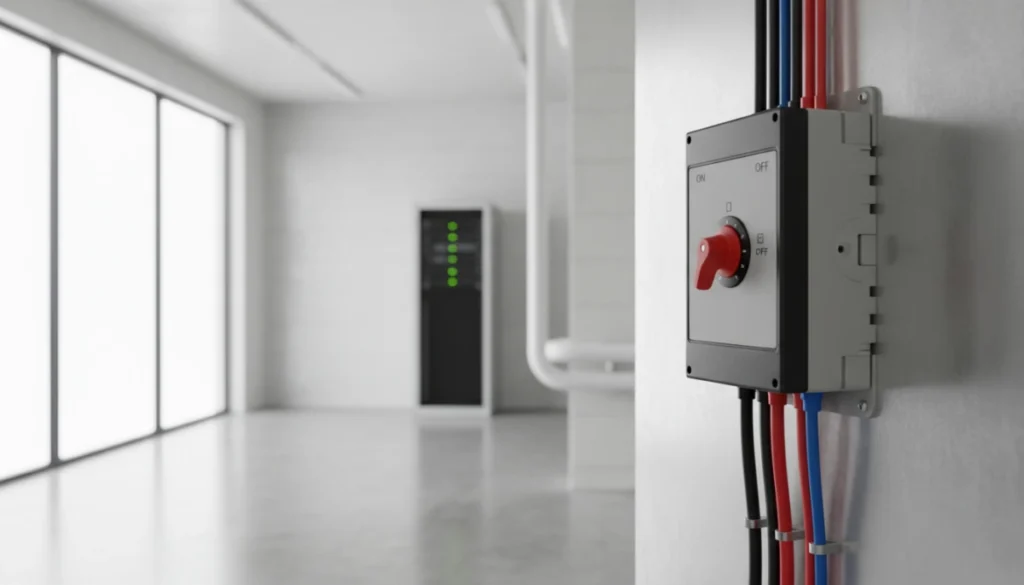
If you want an example of how a structured, professional electrical supplier operates, you can explore how we present our solutions and support on the main cnsovio site or check the service and product details around protection devices like a switch disconnector, which are often part of modern, safer panel setups.
Bottom line: the right electrician treats your panel upgrade as a safety project first, not just a quick job. Hire based on qualifications, clarity, and trust—not just the cheapest number.
Living With an Old Electrical Fuse Box Until You Upgrade
If you’re stuck with an old electrical fuse box for now, you can still make things safer until you’re ready for a full upgrade. Here’s how I’d handle it in a real‑world home with modern appliances, EV chargers, and all the usual gadgets.
Short‑Term Safety Tips for an Old Fuse Box
Until you replace that old house fuse box, treat it like it’s fragile:
Keep the cover closed at all times. No exposed fuses, no dangling wires.
Don’t store anything in front of it. You need clear access in an emergency.
Use dry hands only when touching the fuse box. Never stand on a wet floor.
Label what you can. If you blow a fuse, note which room/appliance caused it. That helps avoid repeat overloads.
Don’t ignore burning smells, buzzing, or heat. If the fuse box feels hot to the touch, call a licensed electrician immediately.
If you see scorch marks, melted plastic, or loose fuse holders, don’t keep resetting or replacing fuses. That’s a stop‑using‑it‑now situation.
How to Avoid Overloading Circuits in an Older Home
Most old fuse panels were built for light loads, not EV chargers, AC units, and home offices. To reduce overload risk:
Spread out big loads:
Don’t run space heaters, hair dryers, and microwave on the same circuit.
Avoid using multiple high‑wattage devices in one room at the same time.
Watch for fuse box overload symptoms:
Lights dimming when appliances start
Fuses blowing when you use certain outlets
Warm outlets or light switches
Limit space heaters and portable AC units.
Use them on dedicated circuits whenever possible.
Unplug what you don’t use.
Old systems hate “always on” loads like chargers and stand‑by devices.
If a certain fuse keeps blowing, that circuit is telling you it’s overloaded or faulty. Don’t “work around” it by moving more and more gear onto extension cords.
Safer Use of Power Strips and Extension Cords
With an outdated electrical panel, people often lean too hard on power strips. Use them smarter:
Better:
Use UL‑listed power strips with built‑in surge protection.
Keep cords fully uncoiled so they don’t overheat.
Use heavy‑duty extension cords for temporary use only (e.g., outdoor tools, short projects).
Plug high‑draw devices (heaters, air fryers, kettles, EV chargers) directly into a wall outlet, not into a strip.
Avoid:
Daisy‑chaining strips (power strip plugged into another power strip).
Running cords under rugs, carpets, or furniture.
Using cheap, unbranded strips or brittle old cords.
Plugging space heaters, portable ACs, or EV chargers into extension cords.
If you rely on strips in every room just to get enough outlets, that’s a clear sign your old electrical fuse box is at its limit.
When You Can Change a Fuse Yourself (and When Not To)
On a basic screw‑in fuse box, you can usually change a fuse yourself if all of this is true:
The fuse you’re changing is the correct amp rating (never “go bigger”).
The glass/bakelite fuse shell is intact, not cracked or melted.
There’s no burning smell, no scorch marks, no buzzing from the panel.
The panel cover is secure and you’re standing on a dry floor.
Never do this:
Don’t replace a 15‑amp fuse with a 20‑amp or 30‑amp “so it stops blowing.”
Don’t use “cheater” fuse adapters that let you oversize the fuse.
Don’t keep replacing the same fuse again and again without finding the cause.
Call a licensed electrician if:
Fuses blow immediately when turned on.
You see heat damage, discoloration, or melted parts in the fuse box.
You have known problem brands (Federal Pacific, Zinsco, Pushmatic, etc.).
You’re planning to add big loads: EV charger, new HVAC, hot tub, or solar.
How to Prioritize Upgrades on a Tight Budget
If a full “old house fuse box replacement” isn’t in the budget today, I’d prioritize like this:
Safety first:
Replace any visibly damaged, cracked, or burned fuse holders or wiring at the panel.
Add GFCI outlets in kitchens, bathrooms, laundry, and outdoors (where code requires).
Replace brittle or two‑prong outlets in key areas with new grounded outlets where possible.
High‑risk areas next:
Upgrade circuits serving space heaters, window AC units, laundry, and kitchen appliances.
Reduce or eliminate use of extension cords as a “permanent fix.”
Plan the panel upgrade:
Get 2–3 quotes for replacing the old fuse box with a modern breaker panel (100 amp or 200 amp service).
Ask about financing options, rebates, and panel upgrade incentives (especially if you plan EV charging or solar).
Focus on an upgrade path that supports future loads: EV charger, heat pump, smart home, and home office.
Phase in upgrades:
Start with the panel and service upgrade.
Then tackle old wiring in the worst rooms or circuits (knob and tube, cloth wiring, etc.) as budget allows.
Living with an old electrical fuse box is manageable for a while, but it’s never a long‑term solution. The goal is simple: keep daily use as safe as possible now, and line up a proper breaker panel upgrade as soon as your budget allows.
Common Questions About an Old Electrical Fuse Box
Is an old electrical fuse box automatically unsafe or just outdated?
An old electrical fuse box isn’t automatically a death trap, but it is outdated and often under‑sized for how we live today.
If the panel is 30–60 amps, has screw‑in or ceramic fuses, or is a Federal Pacific, Zinsco, or Pushmatic panel, the risk is higher.
Age alone isn’t the problem; it’s the limited capacity, wear and tear, and missing safety features (no AFCI, limited GFCI, weak grounding).
If you see burn marks, buzzing, hot covers, or constant blown fuses, treat that as unsafe, not just “old.”
I look at it this way: if your power needs have grown but the fuse box hasn’t changed since the 1950s, it’s time to plan an upgrade.
Do I need to replace all the wiring when I upgrade from a fuse box to a breaker panel?
Not always.
If your wiring is modern copper (with ground) and in good shape, you can often upgrade just the panel.
You may need partial rewiring if:
You still have knob and tube wiring
You have a lot of two‑prong outlets and no grounding
There are obvious DIY “fixes” and unsafe splices
A good licensed electrician will:
Inspect the wiring at the panel and random points in the home
Tell you if a panel‑only upgrade is safe or if some circuits must be rewired
Panel upgrade first, then phased rewiring is a common strategy for global homeowners on a budget.
How long should a modern breaker panel last?
A quality breaker panel, sized correctly (usually 100 amp or 200 amp service), should last 25–40 years or more.
You might need attention sooner if:
You add EV chargers, solar, or big HVAC later
Breakers start tripping for no clear reason
There’s corrosion, rust, or water leaks near the panel
Think of a new breaker panel as long‑term infrastructure. Done right once, it should serve several generations of tech and appliances.
Can I sell my house with an old fuse box still in place?
Yes, you can, but there are trade‑offs.
Home inspectors almost always flag an old electrical fuse box as “recommended upgrade” or a safety concern.
Buyers may:
Ask for a price reduction
Request a panel replacement as part of the deal
Struggle with financing or insurance if it’s a known problem panel (Federal Pacific, Zinsco, etc.)
If you’re thinking of selling in the next few years, upgrading from a fuse box to a breaker panel can make your listing more attractive and remove a common deal‑killer.
Will my homeowners insurance cancel or raise rates over an old fuse box?
It’s possible, and it’s happening more often worldwide.
Many insurers treat outdated electrical panels as a fire risk.
Some will:
Refuse new policies with fuse boxes
Require an upgrade within a set time
Charge higher premiums until the panel is replaced
Panels they really don’t like:
Federal Pacific (FPE)
Zinsco
Severely undersized 30–60 amp fuse boxes with visible damage
If your insurer hasn’t asked yet, they might at your next renewal or after a home inspection. A modern breaker panel can actually help lower risk and improve coverage.
Are there special rules for knob and tube wiring with a fuse box?
Yes. Knob and tube wiring + fuse box is a big red flag in almost every market.
Many codes don’t outright ban it, but:
It wasn’t designed for modern loads
It often has old cloth insulation that breaks down
It usually lacks a proper ground
Insurers and local codes may:
Limit coverage or refuse policies
Require upgrades if you renovate, add HVAC, or install an EV charger
If you have knob and tube wiring with a fuse box, plan for:
At least a breaker panel upgrade
A phased rewiring plan over time, starting with the heaviest‑use circuits
How do I get a fast safety check or second opinion on my fuse box?
Here’s how I’d handle it:
Take clear photos
Front of the panel
Inside with the cover open (if safe)
Any visible labels (brand names like Federal Pacific, Zinsco, Pushmatic)
Call a local licensed electrician
Ask specifically for a “panel safety check” or “old fuse box inspection.”
Ask for a written
Panel type, estimated age, and amp rating
Any fire hazards or code issues
Whether the panel is safe to live with short‑term
A quote for upgrading to a breaker panel (100 amp vs 200 amp)
If this were my platform handling your project, I’d:
Match you with a local, vetted electrician
Make sure you get photos, notes, and a clear quote
Help you compare options: basic old house fuse box replacement vs full 200 amp service upgrade for EV, solar, and future loads
When in doubt, don’t guess. A quick professional look at your old electrical fuse box is cheap compared to the cost of a fire or denied insurance claim.
What Is A Fuse Electrical Panel? A fuse electrical panel is the “control center” of your home’s power, but with old‑school protection instead of modern breakers. It takes electricity from the utility line, distributes it to each circuit in your house, and uses fuses to cut power if something goes wrong. Simple definition In plain […]
If you’ve ever wondered what keeps the power flowing safely and efficiently in factories or commercial buildings, low voltage switchgear is usually the unsung hero behind the scenes. Simply put, these are vital electrical distribution devices designed to control, protect, and isolate electrical equipment at low voltages, typically under 1,000 volts. Choosing the right low voltage switchgear […]
What is a Switch Isolator? A switch isolator, or high voltage disconnector, is a mechanical switching device used to isolate a specific part of an electrical circuit for maintenance or inspection. Unlike circuit breakers, we design these devices to operate under no-load conditions, ensuring that a circuit is physically and safely disconnected from the power source. Mechanical Switching […]
We use cookies to enhance your browsing experience, serve personalised ads or content, and analyse our traffic. By clicking "Accept All", you consent to our use of cookies.