Blog
Vacuum Circuit Breaker Working Principle & Internal Components
Understand the vacuum circuit breaker working principle step by step — how the vacuum interrupter extinguishes arcs, what is inside a VCB, and how to keep it reliable.
Read More
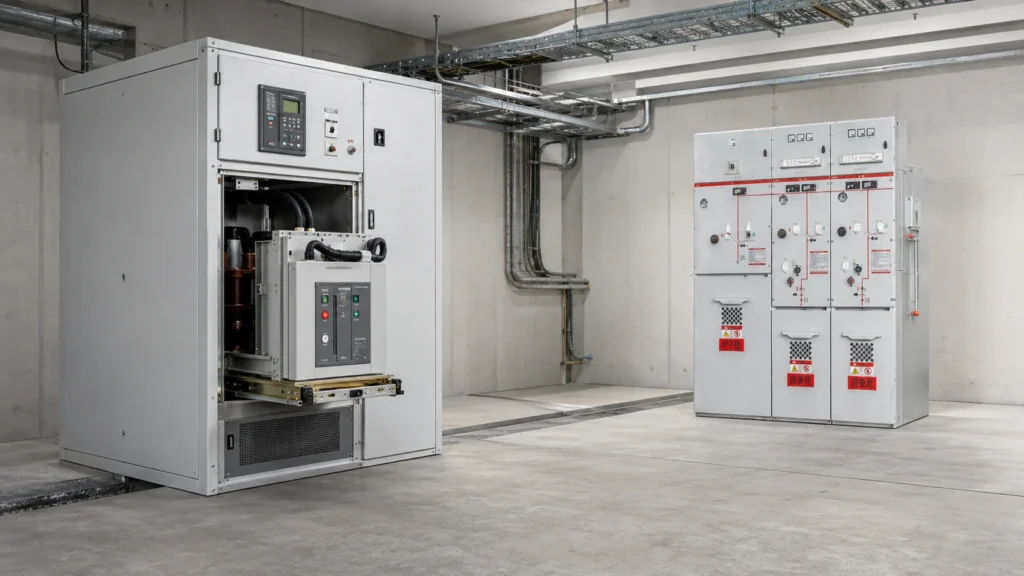
The main difference between a VCB and RMU Switchgear is the level at which each term applies. A vacuum circuit breaker (VCB) is one switching device that makes, carries, and interrupts current. An RMU is a complete, compact medium-voltage assembly containing busbars, switching ways, cable connections, earthing functions, protection, and an enclosure. An RMU may use a VCB in its transformer or feeder protection way.
They are therefore not direct substitutes. Comparing VCB vs RMU is similar to comparing a protective component with the complete panel that may contain it. This guide explains their construction, working principles, applications, relationship, and the technical information needed to choose the correct equipment.
RMU Switchgear is a factory-assembled, metal-enclosed set of MV switching functions designed mainly for ring or loop distribution networks. A typical three-way unit has two ring feeder switches and one protected tee-off feeding a transformer or another circuit. The tee-off may use a VCB and relay or a switch-fuse combination.
The word ing describes the distribution topology rather than the cabinet shape. The loop provides two possible supply directions, although a point may be kept normally open according to the protection and operating scheme. If a cable section fails, it can be isolated at both ends and healthy sections may be restored from the alternative direction.
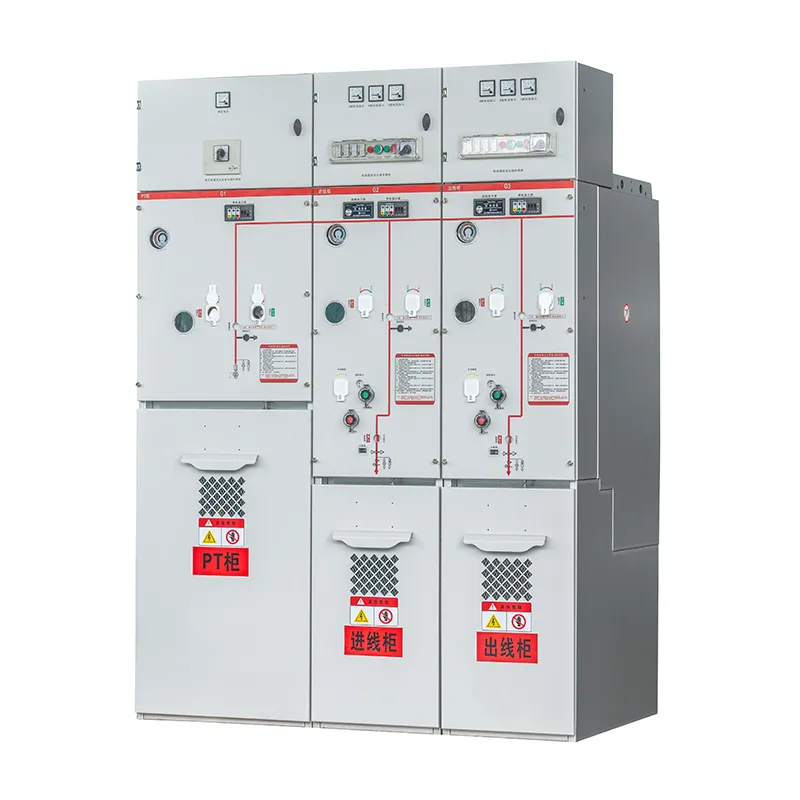
The ring main unit working principle centers on sectionalizing a loop and maintaining an alternative supply route. In normal operation, the ring switches carry feeder current according to the approved network arrangement, while the tee-off way supplies a transformer or local feeder.
When a ring cable develops a fault, protection devices and fault indicators help identify the affected section. Authorized operators or an automation scheme open switches at both ends of that section. After isolation, testing, capacity checks, and protection verification, the normally open point may be changed so healthy loads are supplied from the opposite side. The faulty cable remains isolated and earthed for safe repair.
An RMU does not automatically guarantee continuous supply. Restoration depends on the actual topology, source availability, feeder capacity, protection coordination, automation, and operating procedure.
A basic ring main unit diagram commonly shows two load break switch ways and one VCB-protected tee-off:
Source A ---- [LBS] ---- RMU BUSBAR ---- [LBS] ---- Source B
                               |
                         [VCB + Relay]
                               |
                       Distribution Transformer
                               |
                            LV Loads
The load break switches handle normal ring-feeder switching and sectionalizing. The VCB way provides automatic fault interruption for the transformer or outgoing circuit according to the relay settings. Earthing switches support safe maintenance after isolation, while mechanical and electrical interlocks help prevent unsafe operating sequences.
Some RMUs use a switch-fuse tee-off instead of a VCB. The decision depends on transformer rating, fault duties, selectivity, relay functions, operating requirements, utility standards, and lifecycle needs.
A vacuum circuit breaker is a circuit-breaking device in which the current-carrying contacts separate inside a sealed vacuum interrupter. When the contacts open, an arc forms from vaporized contact material. The arc is extinguished around the natural current zero of an AC waveform, and the vacuum gap rapidly recovers its dielectric strength.
A complete VCB includes vacuum interrupters, fixed and moving contacts, an operating mechanism, insulating supports, primary terminals, and auxiliary control components. It normally works with current transformers and a protection relay. The relay detects a fault and issues a trip command; the breaker then opens and interrupts the fault current within its rated duty.
VCBs are widely used in medium voltage switchgear, including indoor metal-clad panels, compact substations, capacitor and motor feeders, outdoor breakers, and VCB-equipped RMU modules. They may be fixed, withdrawable, or integrated into a dedicated functional unit.
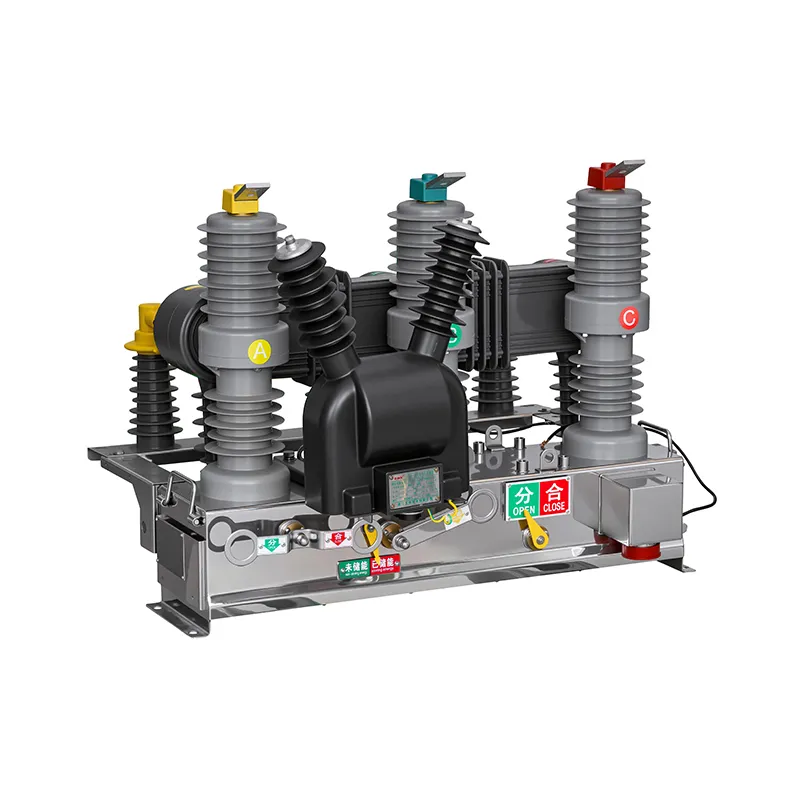
During normal service, the VCB contacts remain closed and carry current. When a protection relay detects overcurrent, earth fault, or another assigned condition, it energizes the trip coil. Stored mechanical energy drives the contacts apart inside the vacuum interrupter.
The breaker does not decide the protection settings by itself unless an integrated control unit provides that function. The relay, sensors, trip circuit, mechanism, and breaker must work as a coordinated protection chain.
| Criterion | Vacuum Circuit Breaker | RMU Switchgear |
|---|---|---|
| Equipment level | An individual switching and fault-interrupting device | A complete switchgear assembly with multiple functions |
| Main purpose | Interrupt normal and fault current when operated or tripped | Connect, distribute, switch, isolate, earth, and protect an MV ring node |
| Typical contents | Vacuum interrupters, contacts, mechanism, terminals, and auxiliary devices | Ring switches, VCB or fuses, busbar, earthing switches, cable compartments, protection, and enclosure |
| Protection role | Executes a trip command from a relay or release | Integrates the protection scheme for an outgoing transformer or feeder |
| Network role | Used in many radial, ring, and substation arrangements | Optimized for secondary ring distribution and compact substations |
| Installation | Installed inside switchgear or as suitable outdoor apparatus | Installed as a complete indoor, outdoor, kiosk, or substation assembly |
| Ratings to verify | Normal current, making and breaking current, TRV duty, operating sequence, and endurance | System voltage, bus current, short-time withstand, internal arc, insulation, enclosure, and functional-way ratings |
| Relationship | Can be a component of an RMU | Can contain one or more VCB modules |
The key selection error is asking whether a project needs VCB or an RMU without defining the required system boundary. A project may need an RMU assembly and specify a VCB as the interrupting device in one of its ways.
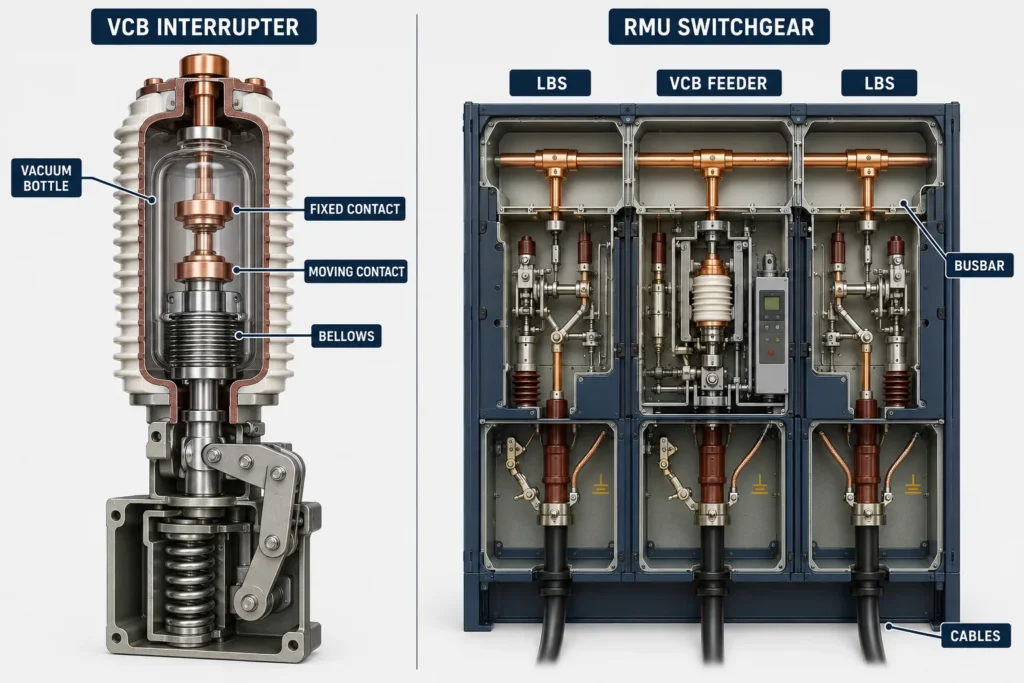
No. acuum circuit breaker identifies the medium used to interrupt the arc inside the breaker. It does not automatically describe the main insulation system of the complete cabinet. A VCB can be installed in air-insulated, gas-insulated, solid-insulated, or hybrid switchgear.
Likewise, a gas-insulated RMU may contain a vacuum interrupter for its circuit-breaker function. The interruption medium and the assembly’s insulation technology should be listed separately in specifications and tender comparisons.
The phrase ring main unit vs switchgear can be misleading because an RMU is itself a specialized form of MV switchgear. The useful distinction is between compact RMU switchgear and a conventional multi-panel switchgear lineup.
An RMU is optimized for ring feeder switching, compact installation, and a limited number of integrated ways. Conventional switchgear is generally better suited to main distribution boards with numerous feeders, complex bus arrangements, extensive metering, advanced protection, withdrawable breakers, and future expansion.
A VCB can appear in either solution. In an RMU it is usually a fixed module protecting a transformer or outgoing feeder. In conventional metal-clad switchgear it may be withdrawable, allowing service, test, and disconnected positions. Always verify the actual design rather than assuming mounting type from the term VCB.
A VCB-equipped RMU is often suitable when the outgoing feeder needs relay-based protection, adjustable settings, remote tripping, event information, or coordination that a fuse arrangement cannot provide as effectively. Typical applications include larger distribution transformers, industrial feeders, renewable-energy collection systems, commercial campuses, data centers, and utility automation projects.
Consider a switch-fuse design where permitted by the transformer rating and utility practice, particularly when simplicity and cost are priorities. However, never select solely from a general rule. Complete a protection and coordination study using real fault levels, transformer inrush, fuse curves, relay settings, cable limits, and upstream/downstream devices.
Use the approved single-line diagram and system studies to prepare a written specification. Key data include:
A search such as ring main unit Schneider may help identify one manufacturer’s product family, but the nameplate brand is not a substitute for technical comparison. Evaluate alternatives using verified ratings, tests, environmental performance, protection capability, interfaces, maintainability, documentation, and total lifecycle support.
For 10 kV ring-distribution projects, review the XGN15-12F/T630-20 10 kV Ring Main Unit and the 10 kV Ring Main Unit. Compare their actual functional diagrams, continuous and fault ratings, insulation design, protection options, cable interfaces, and service conditions against the project specification.
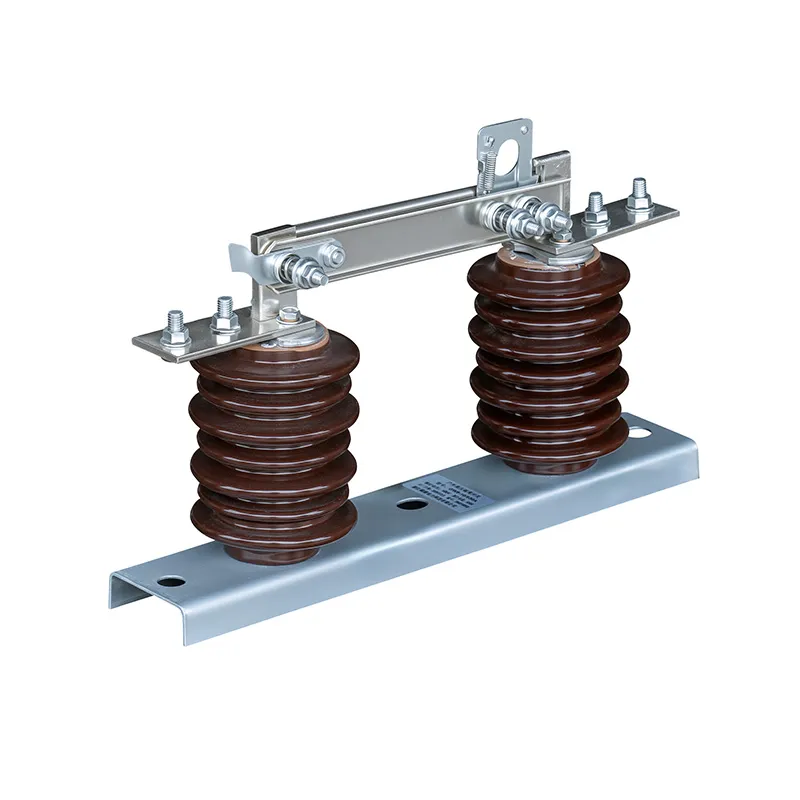
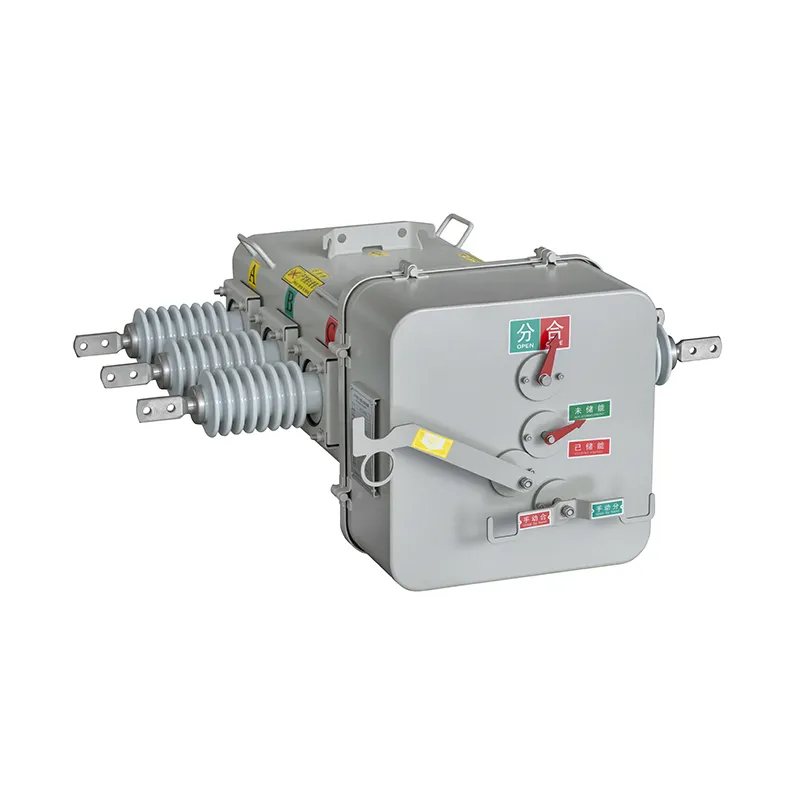
For breaker-based protection, explore the broader vacuum circuit breaker range. The ZW32-12F outdoor vacuum circuit breaker illustrates a standalone outdoor feeder application, while the GW9 high-voltage isolator switch performs a separate no-load isolation function. These products should only be combined through an engineered protection, interlocking, and operating scheme.
A VCB is the device that interrupts current in vacuum; RMU Switchgear is the complete compact assembly that manages connections, switching, isolation, grounding, and protection at an MV distribution node. A project often uses them together, with the VCB installed as the protected tee-off inside the RMU.
Visit CNSOVIO’s Home page, review available power-distribution solutions, learn more about us, or contact us with your single-line diagram and protection requirements for project-specific selection support.
Yes. Modular or extensible RMUs may include multiple breaker ways if the product design, ratings, and project single-line diagram support them. A basic three-way RMU commonly has one protected tee-off, but it is not a universal limit.
No. An RMU tee-off may use a circuit breaker or a switch-fuse combination. Ring ways commonly use load break switches. The correct arrangement depends on protection and operating requirements.
Yes, within its rated duties. A VCB can make and break normal current and interrupt fault current. The required switching duties ncluding transformer, motor, capacitor, or cable duties ust be verified from its tested ratings.
No. Many ring networks are operated with a normally open point, and RMU hardware may also appear in radial arrangements. The term refers mainly to the equipment’s distribution role and configuration.
A direct price comparison is not meaningful because the scopes differ. An RMU is a complete assembly, while a VCB is one device. Compare quotations only after aligning ratings, functional ways, protection, accessories, tests, documentation, and delivery scope.
Send the single-line diagram, system voltage and frequency, continuous current, fault level and duration, required ways, transformer or feeder data, protection functions, cable details, environment, automation needs, standards, and documentation requirements.
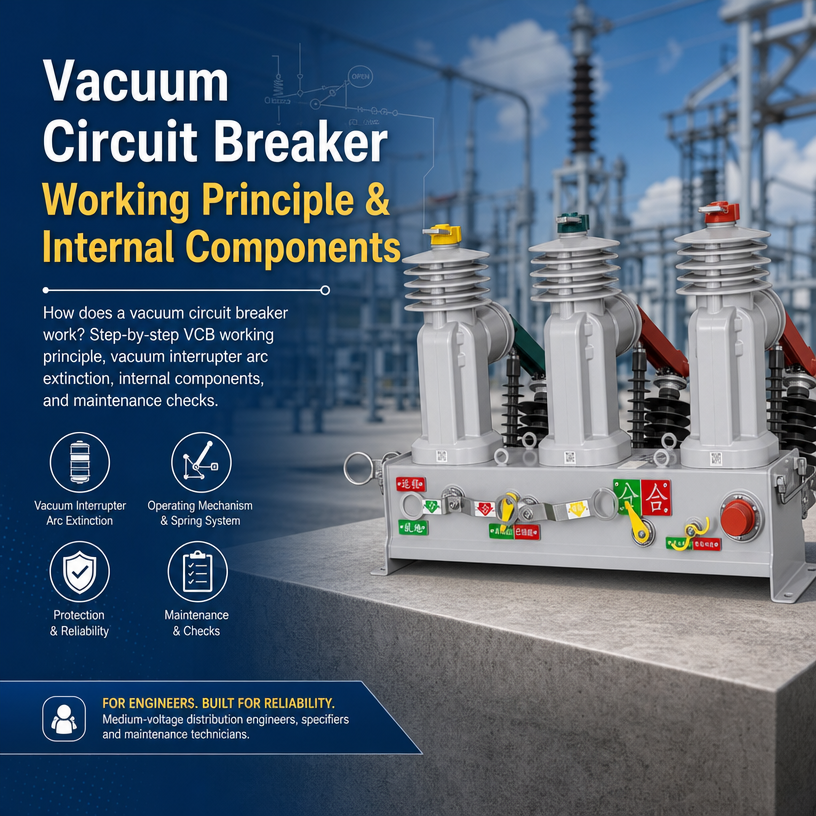
Understand the vacuum circuit breaker working principle step by step — how the vacuum interrupter extinguishes arcs, what is inside a VCB, and how to keep it reliable.
Read More
Complete guide to electrical fuse box wiring with diagrams, safety tips, troubleshooting, and when to upgrade to a breaker panel
Read More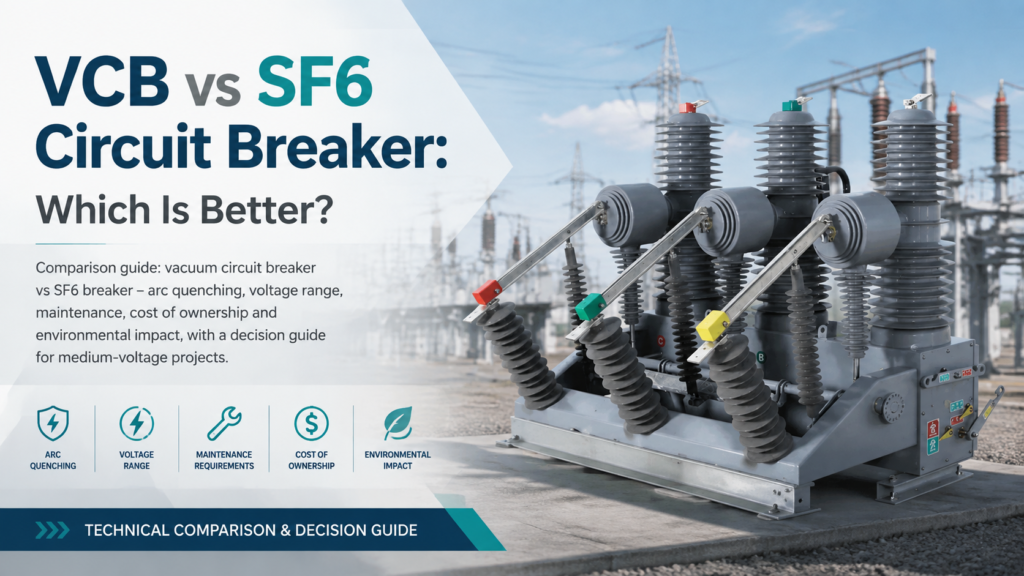
VCB vs SF6 circuit breaker comparison: interrupting medium, voltage range, maintenance, cost of ownership and environmental impact, with a clear decision guide for medium-voltage projects.
Read More